When the power suddenly goes out, I don’t immediately drag out the generator, start opening the refrigerator, or assume I’m in for a three-day blackout.
I give myself a few minutes to figure out what actually happened.
There’s a big difference between a tripped breaker in my house, a tree taking down a nearby line, and a major storm knocking out power across the area. What I do during that first hour depends heavily on which situation I’m dealing with.
Over the years, I’ve found it helps to have an order for things. I’m not scrambling around looking for flashlights or making ten decisions at once.
Here’s exactly how I approach those first few minutes and the first hour after the lights go out.
First 5 Minutes: I Figure Out How Big the Problem Is
My first question is simple:
Is it just my house?
I look outside and see whether neighboring houses still have power. At night, porch lights and streetlights make this pretty obvious.
If everyone else has electricity, I check my electrical panel.
A tripped breaker may be the entire problem.
If the neighborhood is dark too, I’m probably dealing with a utility outage.
I don’t start flipping breakers repeatedly or messing with electrical equipment I don’t understand. If there’s evidence of electrical damage, burning smells, sparks, damaged service equipment, or downed lines, that’s a completely different situation.

I Stay Away From Downed Power Lines
After storms, I treat every downed wire like it’s energized.
I don’t touch it.
I don’t drive over it.
I don’t try moving it with a stick.
I don’t assume it’s safe because it isn’t sparking.
I keep people and pets away and report it to the utility or emergency services as appropriate.
This sounds obvious, but storm cleanup makes people do things they normally wouldn’t do.
A branch across the driveway isn’t worth getting near a power line.


Then I Check the Outage Information
Once I know the problem isn’t inside my house, I want some idea of what’s happening.
My phone is usually the fastest option.
I’ll check the utility outage map if it’s available, along with local alerts and weather information.
What I’m trying to determine is whether this looks like:
- A small local outage
- A storm-related outage affecting a larger area
- A major regional problem
- An outage with no restoration estimate yet
That changes how quickly I move into conservation mode.
If crews expect power back in 45 minutes, I’m not treating the situation like the grid has collapsed.
If tens of thousands of customers are without power after a destructive storm, I’m thinking much further ahead.
I Put My Phone Into Conservation Mode Early
I don’t wait until my battery reaches 15%.
That’s one of the easiest mistakes to avoid.
I lower the screen brightness.
I turn on the phone’s battery-saving mode.
I stop mindlessly checking social media every two minutes.
I use the phone for things that actually matter.
If I have a good cellular signal, I’ll send a quick message to close family so everyone knows we’re okay.
Then I preserve the battery.
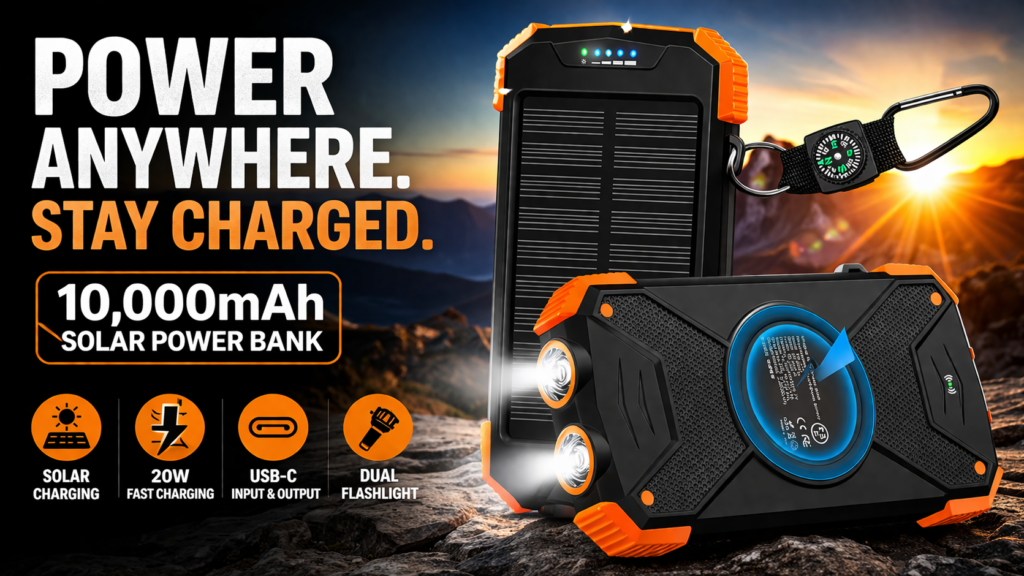
I also keep backup charging available. I’ve written about the portable solar power bank I like having when normal charging disappears.
A power bank isn’t something I want to remember to charge after the outage starts. I want it ready beforehand.



I Get a Real Light Source Before Darkness Becomes a Problem
If it’s daytime, I still locate the flashlights.
I don’t wait until the sun goes down.
I want everyone to know where the lights are while we can still see.
I keep more than one source because I’ve never liked the idea of one flashlight being the entire lighting plan.
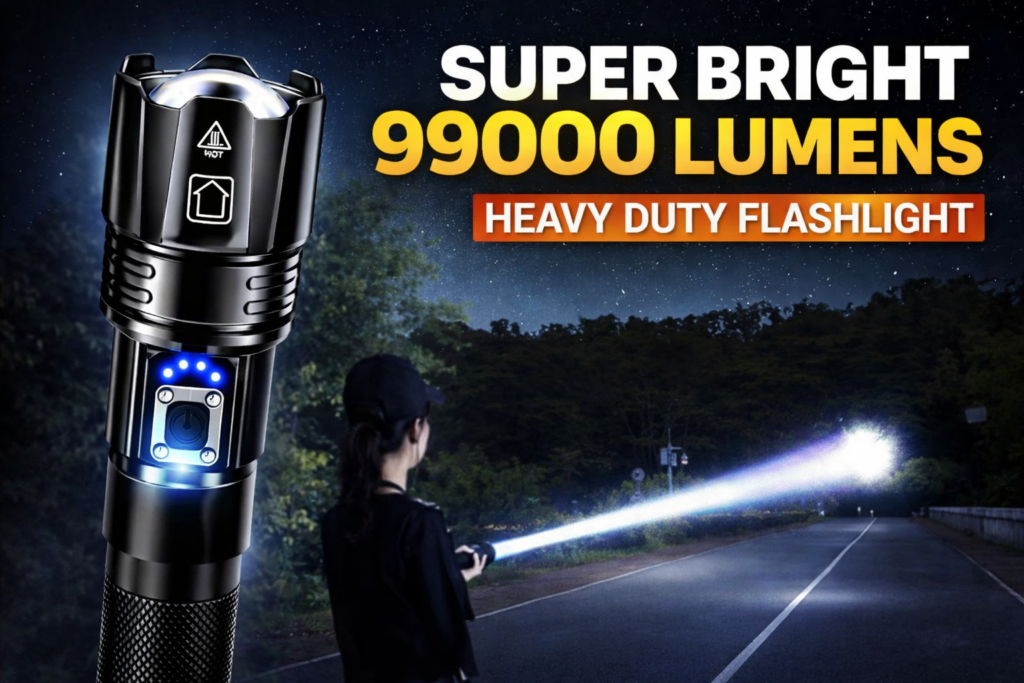
A strong rechargeable flashlight is useful for checking outside, looking at equipment, and moving around the property. I’ve covered the bright rechargeable flashlight I keep in mind for emergencies.
Inside, lantern-style lighting can be even more practical because I’m usually trying to light a room rather than a spot 100 feet away.
The big thing for me is redundancy.
One light isn’t a lighting plan.
What I Don’t Do Is Start Lighting Candles Everywhere
Candles work.
I’m not pretending they don’t.
But during an outage, people are already moving around differently, carrying equipment, checking windows, dealing with kids, and possibly cleaning up storm damage.
Adding open flames all over the house isn’t my first choice.
I’d rather use rechargeable or battery-powered lighting and save candles as a controlled backup.
First 15 Minutes: I Leave the Refrigerator Alone
This is a big one.
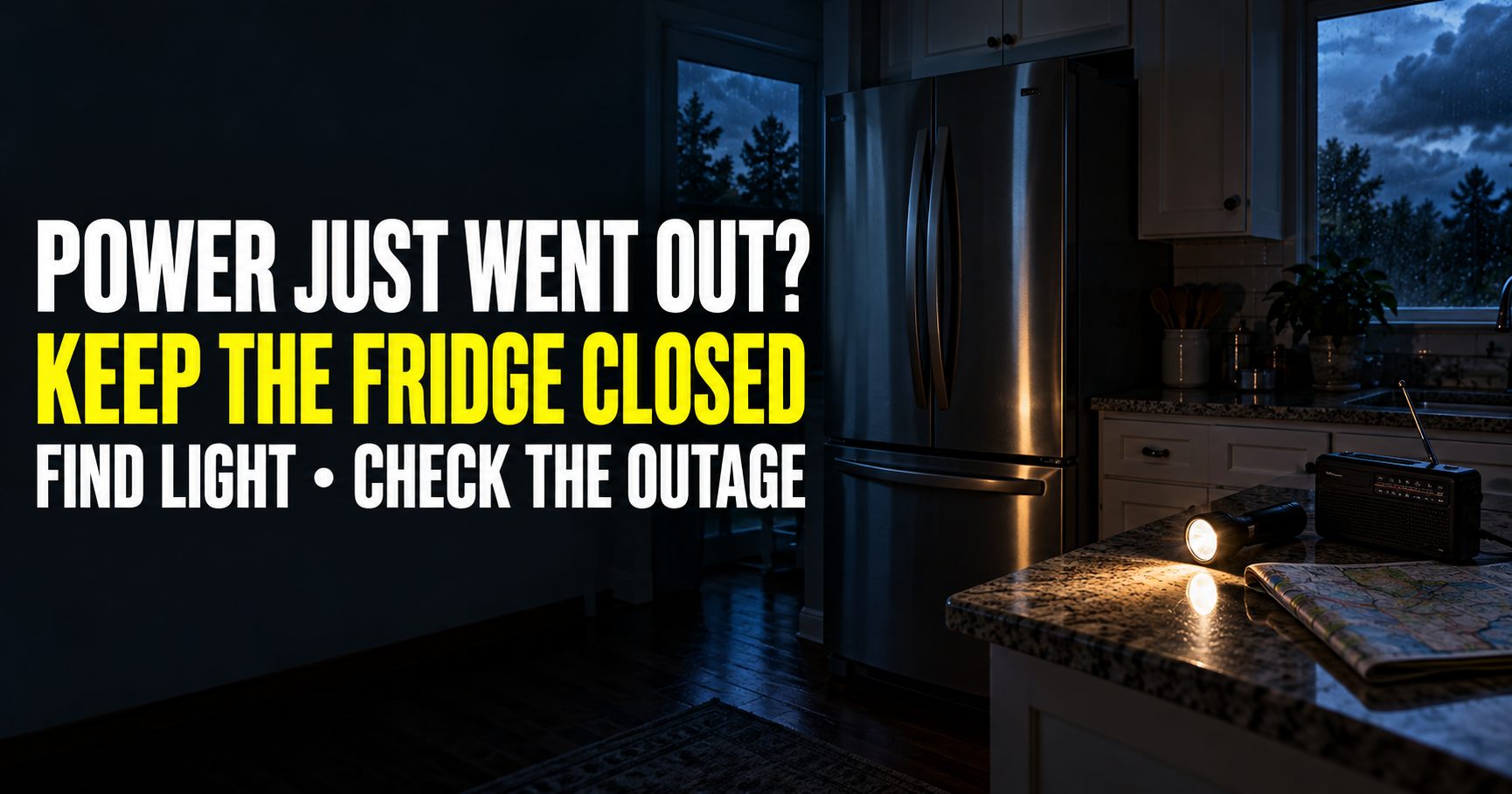
I don’t open the refrigerator just to look inside.
I already know what’s in there.
Opening the door accomplishes nothing except letting cold air escape.
The same goes for the freezer.
If I need something, I think about what I’m getting before opening the door, grab it, and shut the door again.
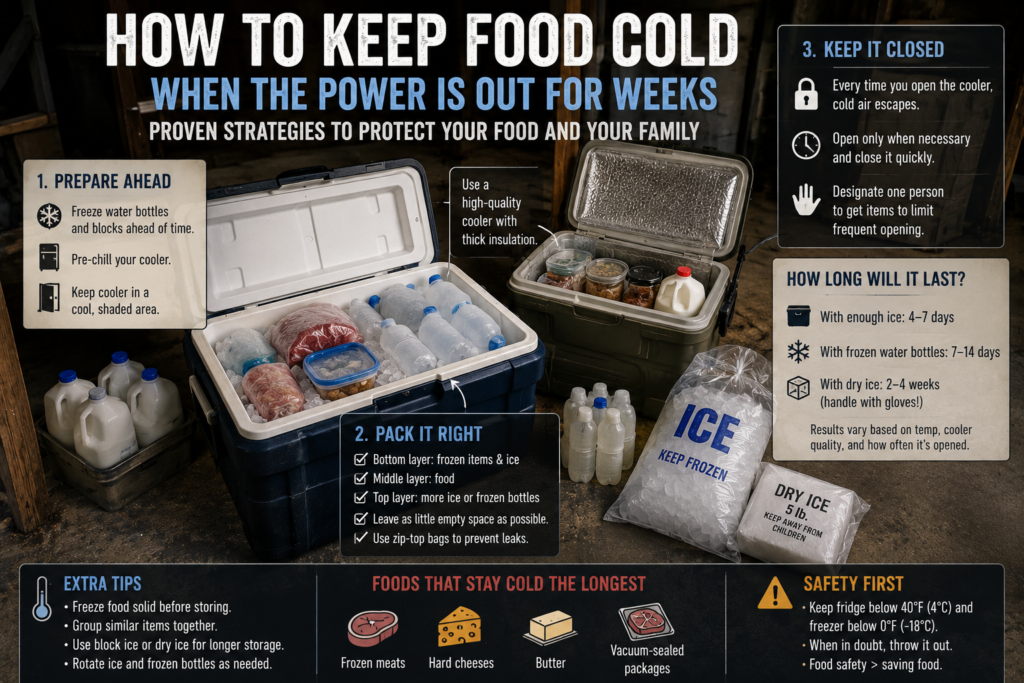
If the outage turns into something much longer, I already have a separate plan for keeping food cold when the power stays out for an extended period.
But during the first few minutes?
Leave it closed.
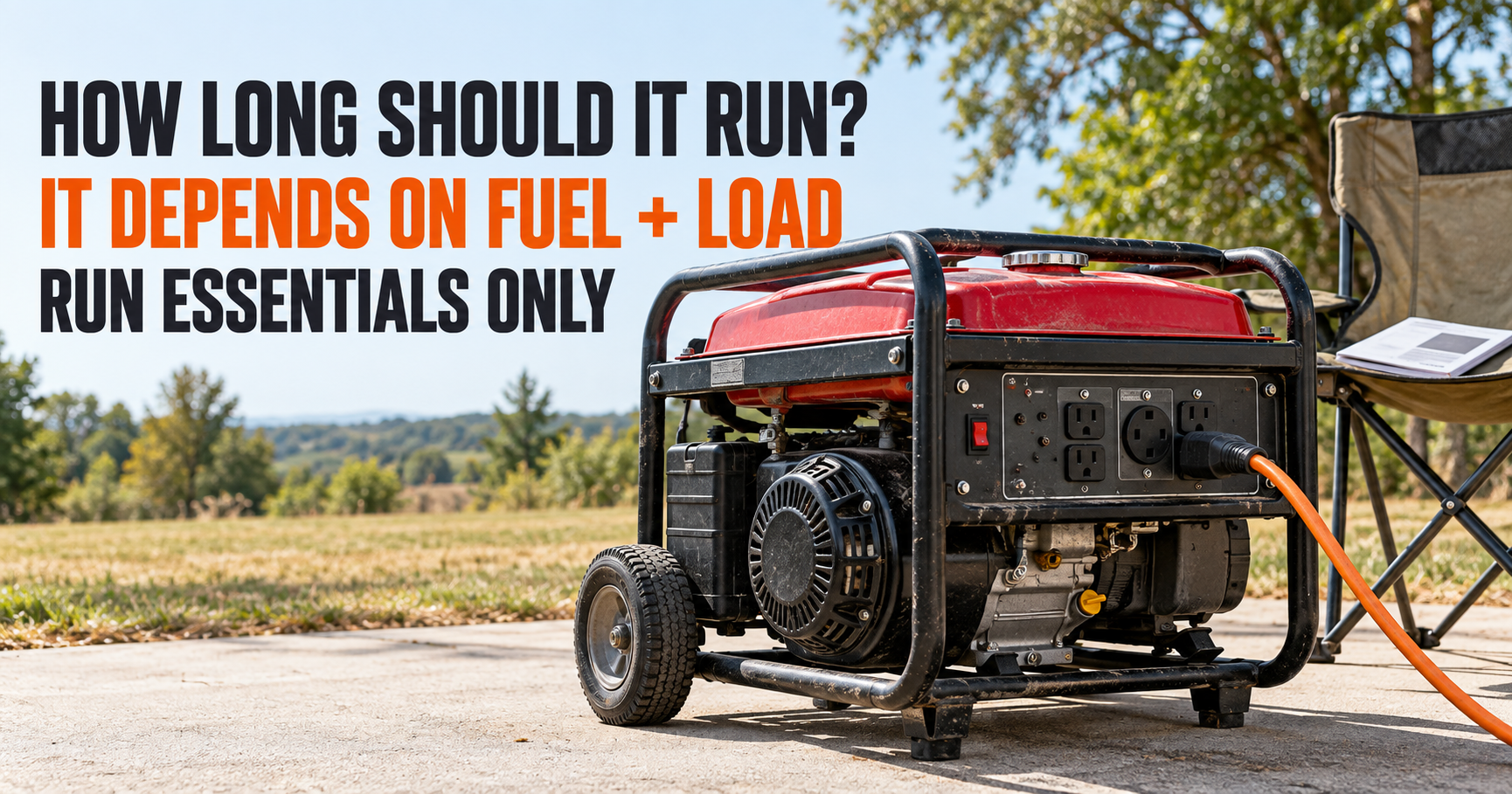
I Don’t Immediately Fire Up the Generator
This might surprise some people.
If the utility says the outage should last 30 minutes, I probably don’t need to burn fuel running a generator immediately.
Fuel is a resource.
Generator runtime is a resource.
My goal isn’t to make the house behave exactly like nothing happened.
My goal is to protect the things that actually matter.
If the outage looks like it’s going to last, then backup power becomes much more important.
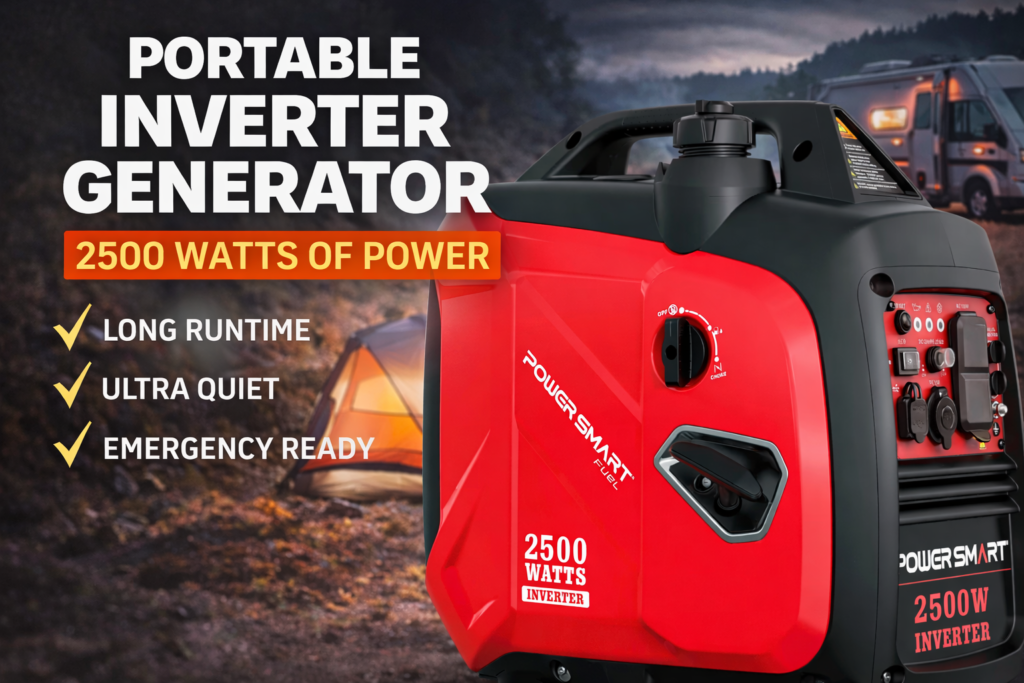
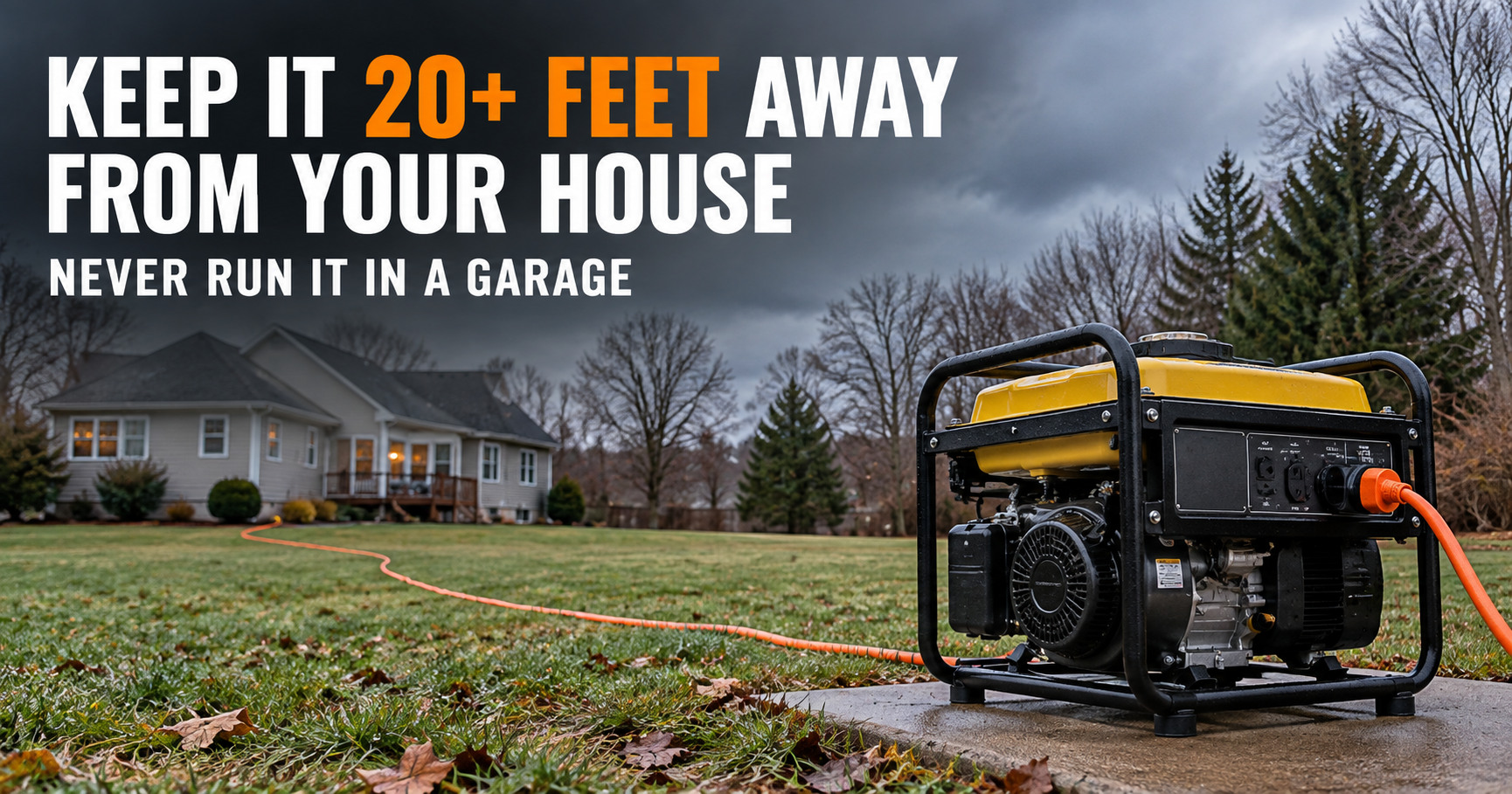
I’ve covered the portable generator I’d consider for keeping important equipment running during an outage.
But I make that decision based on the situation rather than automatically starting it the second a light flickers.

I Check Anything That Could Create Trouble When Power Returns
This is something people forget.
The outage isn’t the only moment that matters.
Power coming back can create problems too.
If I had electric cooking equipment running, space heaters operating, power tools connected, or something else that shouldn’t unexpectedly restart, I deal with it.
I also don’t want unnecessary electronics exposed to whatever happens when service is restored.
I’m especially interested in anything that:
- Produces heat
- Has a motor
- Could restart unexpectedly
- Was being actively used when power failed
I don’t randomly unplug every object in the house.
I focus on what could actually create a problem.
First 30 Minutes: I Start Thinking About Water
This depends heavily on where you live.
If you’re on municipal water, the taps may continue working normally during a routine electrical outage.
If your home depends on an electric well pump, losing power can mean losing easy access to water too.
That’s a huge difference.
I don’t wait until the faucets stop working to think about water.
We built an entire emergency water preparedness guide because water deserves its own plan.
If I have reason to believe the outage could affect water service and the taps are still working, I’ll consider increasing the amount of clean water I have available.
That’s especially true before a major storm.
I Listen for Information Instead of Rumors
Phones are useful, but I also like having another way to receive information.
That’s where an emergency radio earns its place.
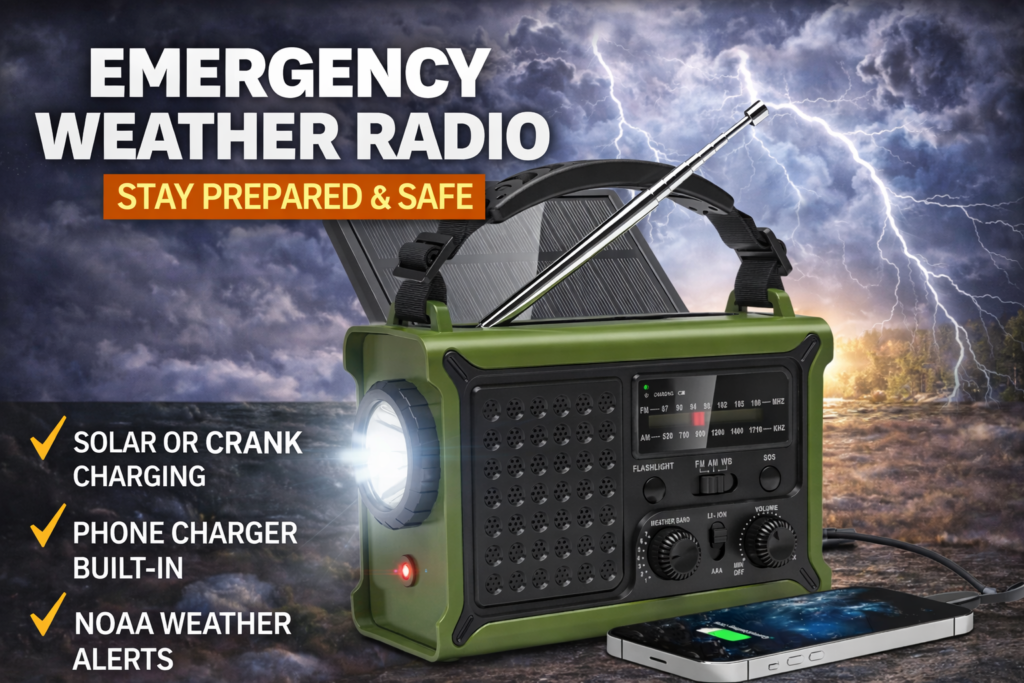
I’ve covered the emergency radio I like for staying informed when other systems aren’t dependable.
For me, a useful emergency radio isn’t just entertainment.
I want access to weather information and emergency broadcasts without depending entirely on cellular data.
During widespread storm damage, that’s worth having.
I Check the Weather Again
The outage itself may not be the biggest threat.
If severe storms are still approaching, I care about that.
If temperatures are falling rapidly, I care about that.
If extreme heat is expected tomorrow, I care about that.
A four-hour outage on a mild spring afternoon isn’t the same problem as four hours without electricity when it’s 5°F outside.
The weather tells me how aggressive I need to become with the rest of my plan.
If It’s Cold, I Start Conserving Heat Before the House Gets Cold
I don’t wait until everyone is shivering.
If I’m facing a winter outage, I’ll close off rooms we don’t need and concentrate activity in a smaller part of the house.
I shut doors.

I reduce drafts where practical.
I get blankets, warm clothing, and sleeping bags ready.
The goal is to retain the heat already inside the house.
We’ve covered how I prepare for winter weather power outages separately because cold-weather blackouts deserve their own strategy.
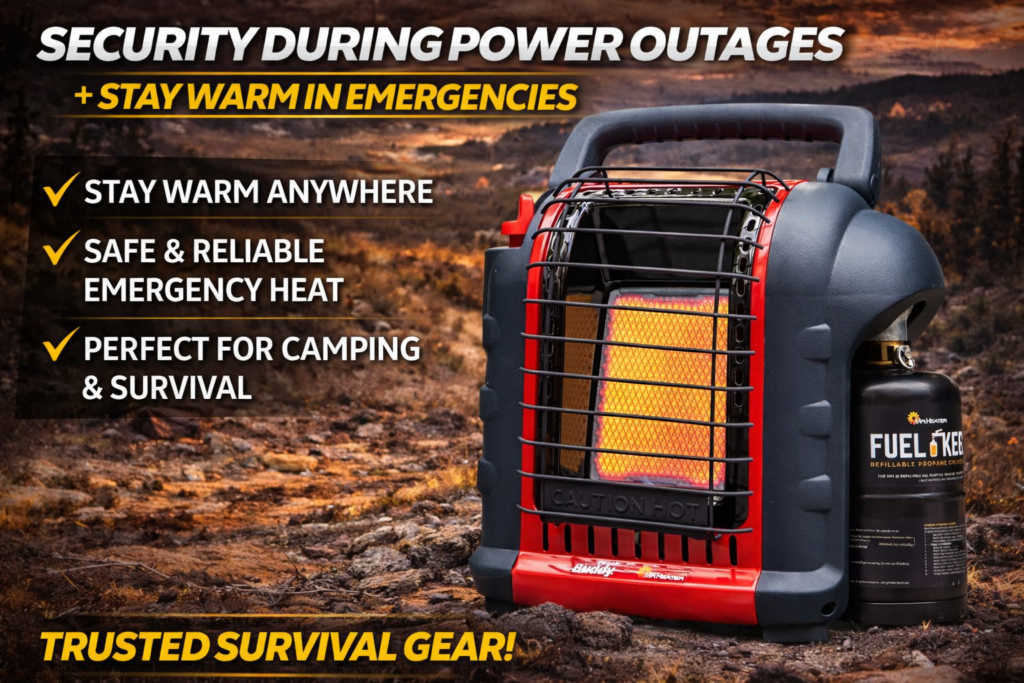
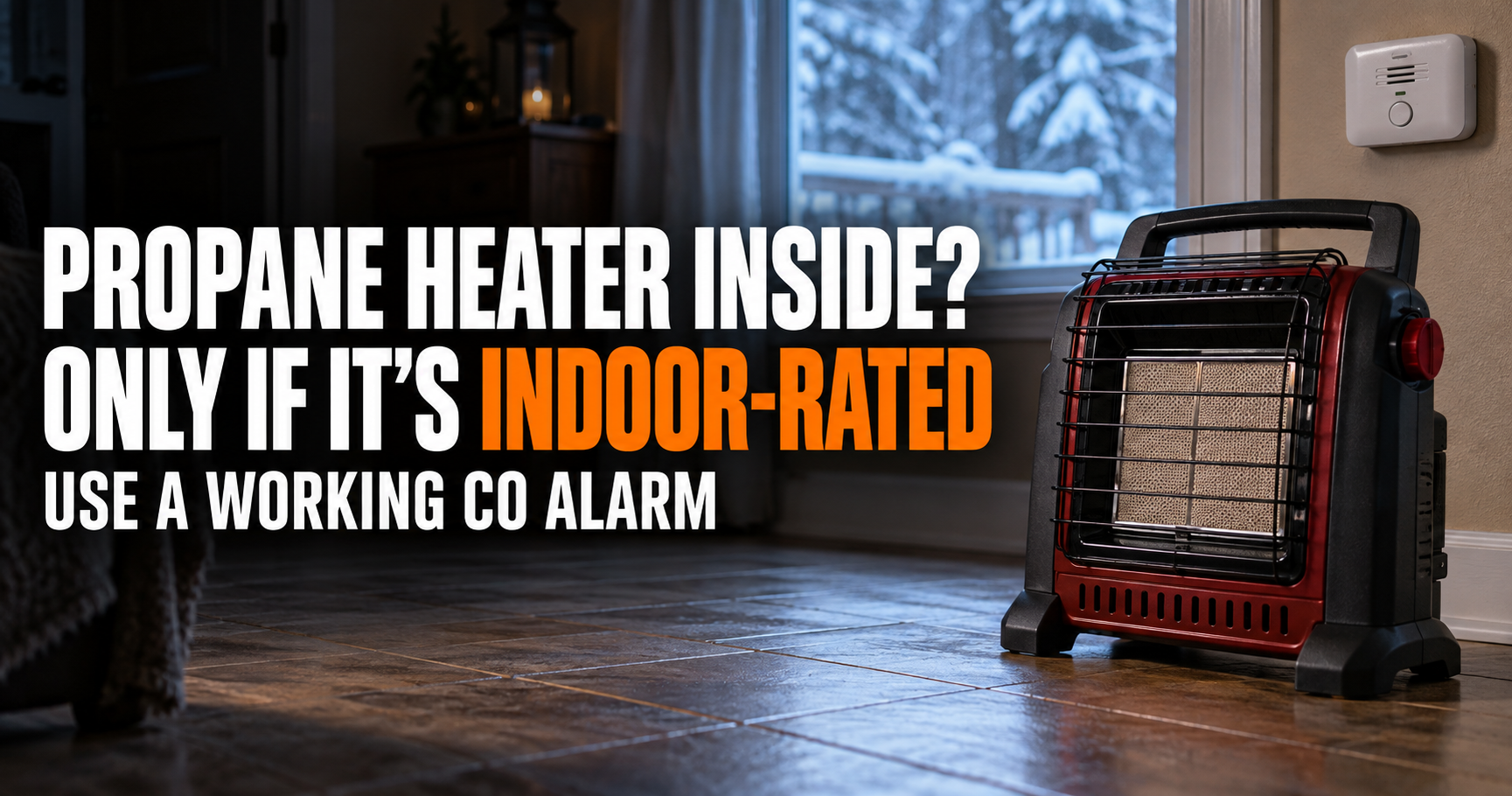
If supplemental heat becomes necessary, I also want equipment specifically intended for the environment where I’m using it. Our portable emergency heater guide is worth reading before you’re trying to solve that problem in the middle of a freezing blackout.
If It’s Hot, I Start Managing the House Before It Heats Up
Summer requires almost the opposite approach.
I’ll keep direct sunlight out during the hottest part of the day.
I’ll avoid adding unnecessary heat indoors.
I’ll pay close attention to hydration.
I’ll plan around the coolest parts of the day if physical work needs to be done.
Most importantly, I don’t let pride turn dangerous indoor heat into a survival experiment.
If conditions become unsafe, especially for children, older adults, or someone with medical problems, going somewhere with working air conditioning may be the right preparedness decision.
Preparedness isn’t always staying home.
Sometimes it’s knowing when not to.
Around the First Hour, I Make a Decision
At this point I usually have much better information.
I know whether the outage is widespread.
I know what the weather is doing.
I may have a utility restoration estimate.
I know whether water is available.
I know the indoor temperature.
Now I decide which direction I’m going.
If Power Is Expected Back Soon
I conserve resources and wait.
There’s no reason to turn a minor inconvenience into a full emergency response.
If There’s No Restoration Estimate
I start preparing for the possibility that the outage lasts through the night.
If There Is Major Regional Damage
I move immediately into longer-term preparedness mode.
That’s when I begin thinking seriously about fuel, food, water, sanitation, backup power, communications, and what happens if the outage lasts several days.
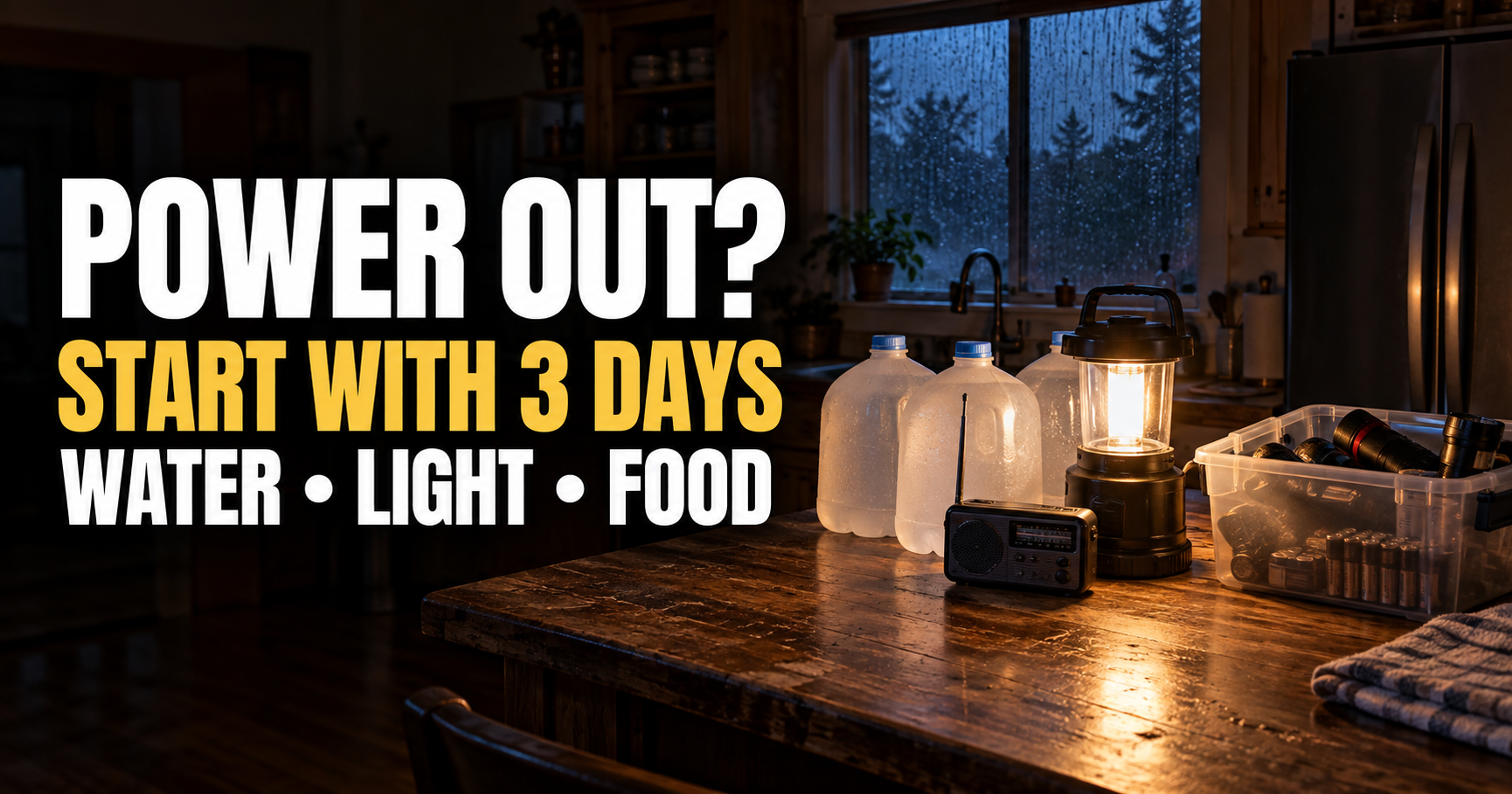
My power outage preparedness guide for long blackouts covers that larger strategy.
When I Actually Start the Generator
I start thinking about generator use when there’s something worth powering.
Usually that means protecting food, supporting an essential appliance, handling a water system, charging critical equipment, or meeting another real need.
I don’t run it just because I own one.
And I never run a portable generator inside the house, basement, enclosed porch, or attached garage.
Carbon monoxide is one of the most serious hazards associated with generator use.
If I’m going to rely on backup power, I want the entire setup figured out before the outage.
Generator.
Fuel.
Safe placement.
Proper cords or transfer equipment.
Electrical load.
Carbon monoxide alarms.
Owning the machine is only one part of being prepared to use it.
I Don’t Forget About Food Just Because It’s Still Cold
A refrigerator problem isn’t immediate, but the clock starts when the power stops.
That’s why I note roughly when the outage began.
I don’t want to be six hours into an outage later wondering, “What time did the power actually go out?”
Knowing the timeline helps me make better decisions about refrigerated and frozen food.
This is also why I don’t repeatedly open doors.
I’m buying time.
I Make Sure Everyone in the House Knows the Plan
One thing I’ve learned about preparedness is that a plan stored entirely inside one person’s head isn’t much of a plan.
Other people in the house should know:
- Where the flashlights are
- Where the first aid kit is
- Where drinking water is stored
- Where the emergency radio is
- Which doors should stay closed
- What not to touch
- Whether we’re expecting to stay home or potentially leave
That matters even more with children.
An outage feels a lot less frightening when everyone sees that there’s a plan.
I Keep First Aid Where I Can Actually Reach It
Storms and blackouts create weird little opportunities to get hurt.
Walking around in darkness.
Moving fallen branches.
Using unfamiliar equipment.
Cooking differently.
Handling generators.
I don’t want to dig through a closet looking for medical supplies after somebody gets cut.
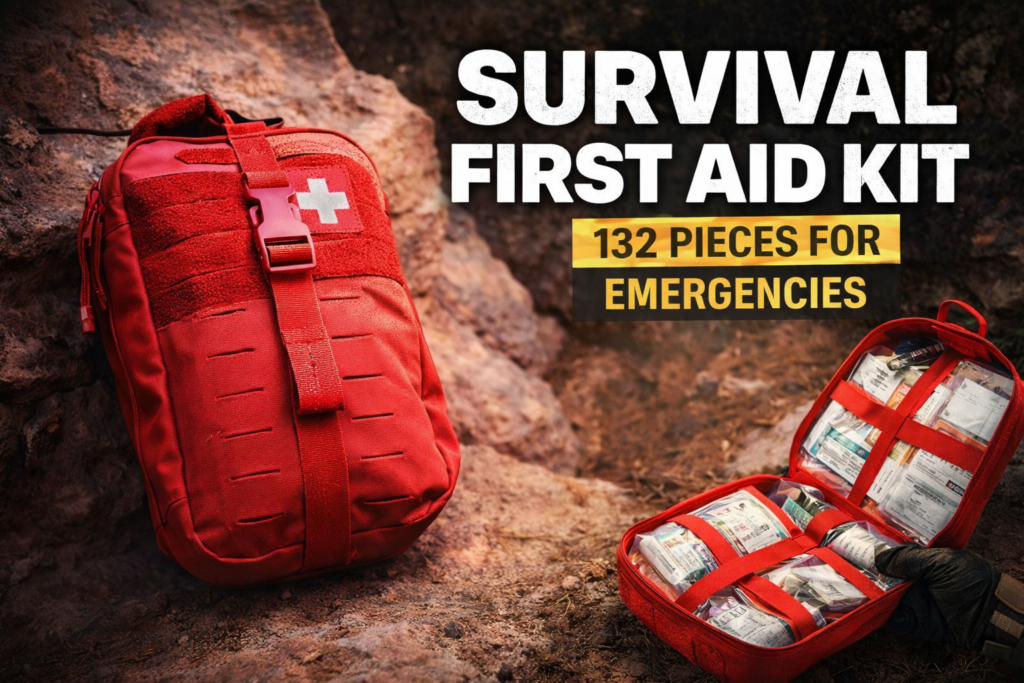
We’ve covered the first aid kit I’d rather have when something more serious than a scraped knee happens.
The important part is knowing where the kit is and knowing what’s inside it.
I Start Conserving Before I Start Running Out
This is probably the biggest difference between being prepared and simply owning preparedness gear.
I conserve early.
Phone battery.
Generator fuel.
Stored water.
Food.
Flashlight batteries.
Propane.
Anything that may become difficult to replace.
If power comes back in two hours, great.
I’ve lost nothing by being careful.
If it stays out for three days, I’m glad I didn’t waste resources during the first three hours.
What I Never Do During That First Hour
There are a handful of things I deliberately avoid.
I don’t repeatedly open the refrigerator.
I don’t assume downed wires are harmless.
I don’t run a generator indoors or in an attached garage.
I don’t use outdoor cooking equipment inside the house.
I don’t waste phone battery scrolling.
I don’t burn fuel just because I can.
I don’t assume the water will keep working.
And I don’t wait until darkness to start locating emergency supplies.
Most of those decisions cost nothing.
They just require thinking ahead.
My First-Hour Blackout Routine
If I had to boil my entire routine down, this is the order I follow:
- Determine whether the outage is inside the house or widespread.
- Stay away from electrical damage and downed lines.
- Check the utility and weather situation.
- Put phones into battery-saving mode.
- Locate flashlights and emergency lighting.
- Keep refrigerator and freezer doors shut.
- Deal with appliances that shouldn’t unexpectedly restart.
- Check water availability.
- Get the emergency radio ready.
- Adjust immediately for extreme heat or cold.
- Determine whether backup power is actually needed.
- Start planning for overnight if there’s no reliable restoration estimate.
After that, I’m no longer reacting to the outage.
I’m managing it.
The First Hour Sets Up Everything That Comes Next
I’ve found that the first hour of a blackout doesn’t need to be chaotic.
Most of what I do is actually pretty boring.
I check.
I conserve.
I organize.
I gather information.
Then I decide how serious the situation really is.
That’s exactly how I want it.
Preparedness isn’t about making every outage feel like a disaster. It’s about recognizing when a normal outage is becoming something more serious and already knowing what I’m going to do next.
If the lights come back on after 45 minutes, I put everything away and get back to normal.
If they don’t, I’ve already protected my food, conserved my batteries, checked my water situation, gathered my supplies, and started planning for the night.
That’s a much better position to be in than waiting until the house is dark, the phone is dying, and everyone suddenly realizes nobody knows where the flashlights are.
About the Author
Caleb Mercer writes about real-world blackout preparedness, backup power, emergency communications, and keeping a household functioning when normal utilities disappear. His work for Survive Essentials’ Power Outages and Backup Power section focuses on practical decisions families can make before and during outages without turning preparedness into a pile of unused gear.