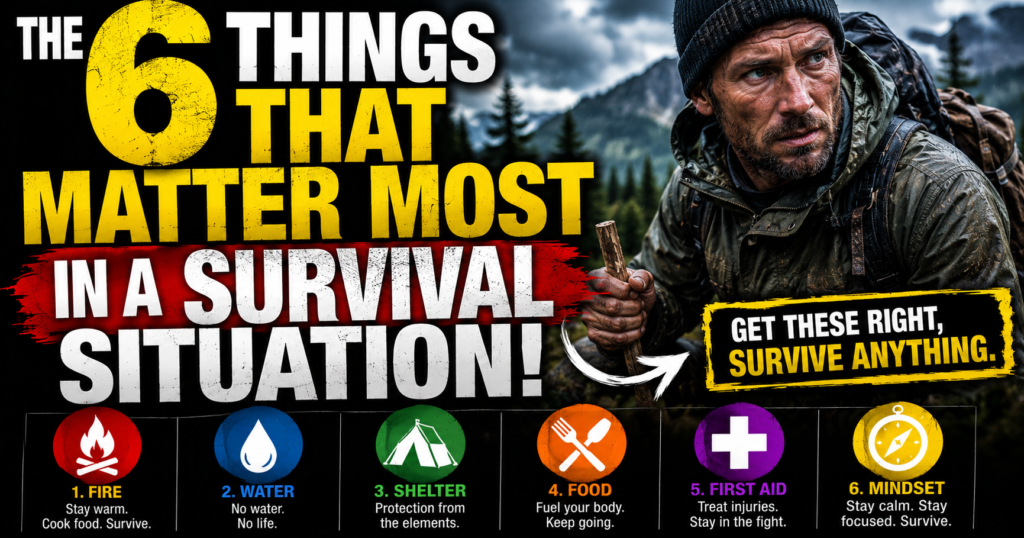
When people think about survival, they often picture someone lost in the wilderness with nothing but a knife and determination.
The reality is usually much different.
Most survival situations begin with something ordinary.
A hiking trip that takes an unexpected turn. An unexpected wilderness emergency makes shelter skills especially valuable, and How to Build a Shelter in Any Survival Situation covers practical shelter options for different conditions.
A vehicle breakdown in bad weather.
A severe storm that knocks out power for days.
A natural disaster that disrupts everyday life.
In moments like these, survival isn’t about being the strongest person in the room. It’s about understanding what matters most and focusing your energy on the right priorities.
Many people waste time worrying about things that aren’t immediately important. Meanwhile, they ignore the factors that have the biggest impact on staying safe.
If you remember these six survival priorities, you’ll dramatically improve your chances of making good decisions when circumstances become challenging. The The 6 Survival Rules That Could Save Your Life! offers another concise framework for keeping those decisions focused during an emergency.
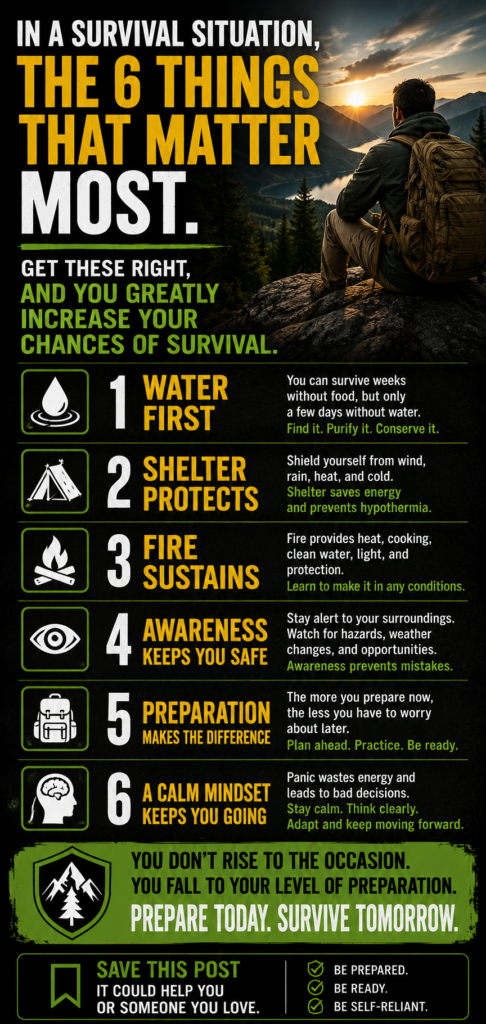
1. Water Comes First

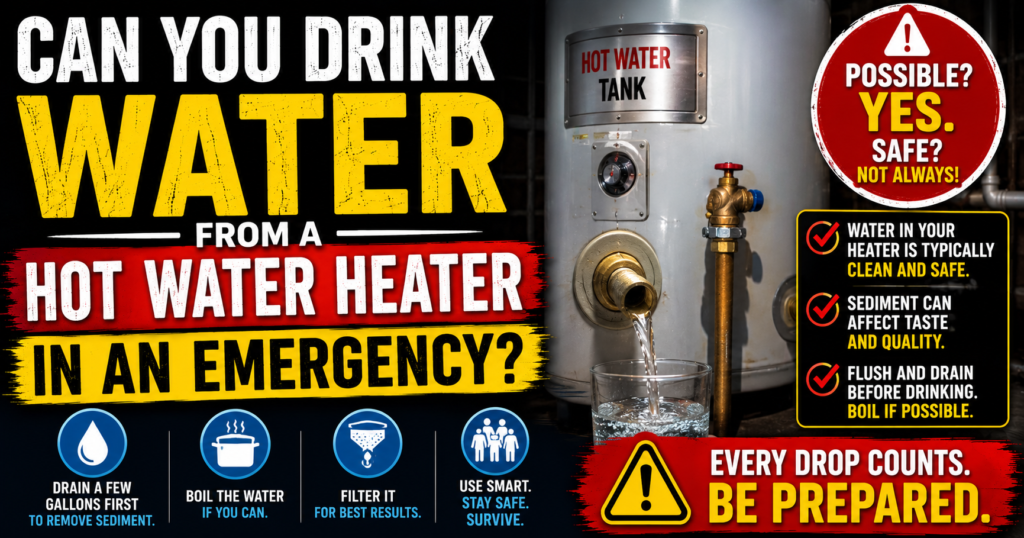
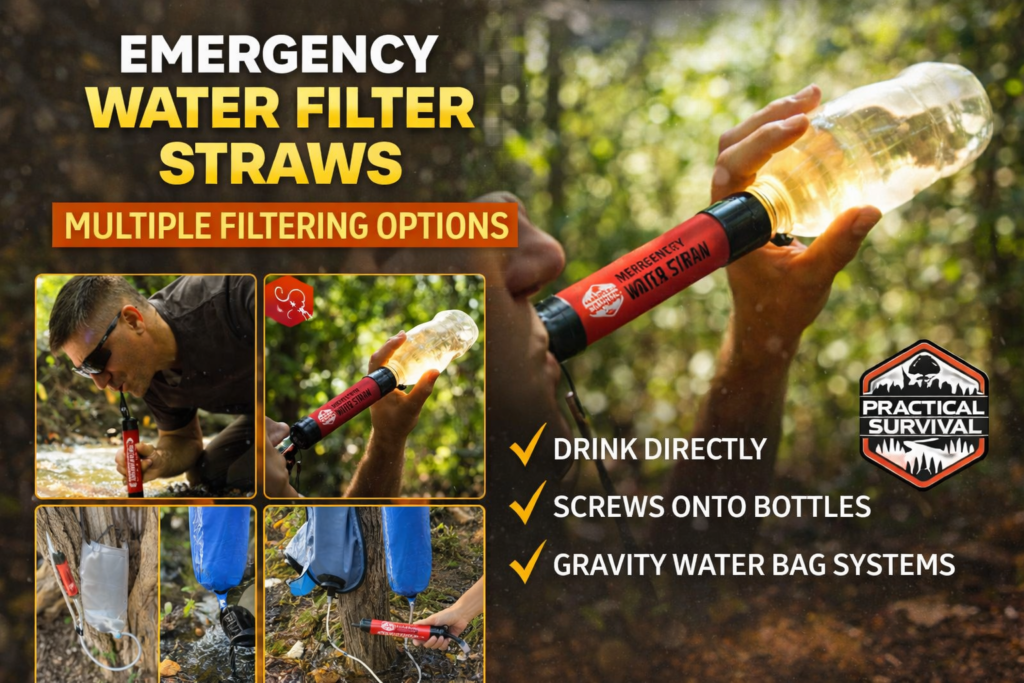
Water is the foundation of survival. Once water becomes the first priority, understanding safe treatment methods is essential; Why Water Purification Is Critical for Survival Success explains how to make questionable sources safer to drink.
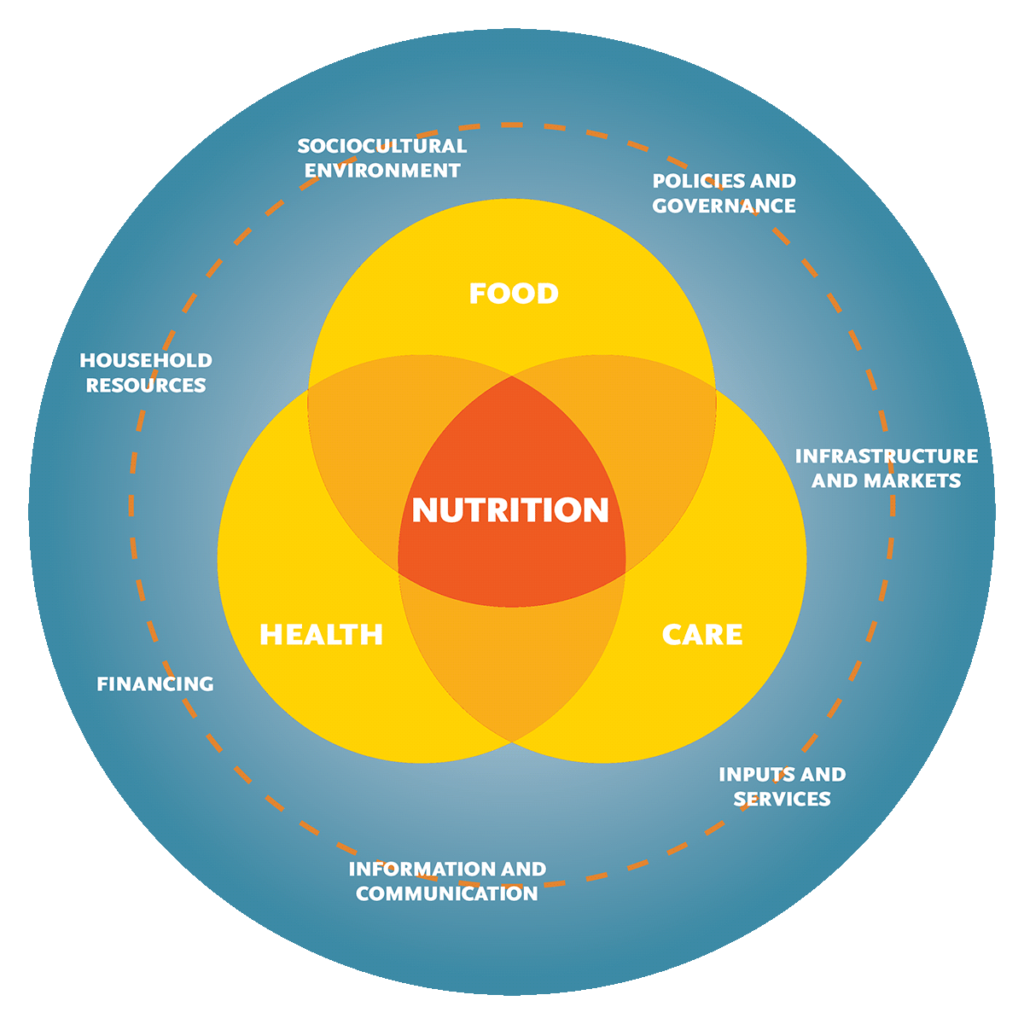
You can go a surprisingly long time without food. Water is a different story. When food does become a priority, The Role of Nutrition in Survival Situations explains which nutrients and food characteristics best support survival.
Your body depends on water for nearly every function, including:
- Regulating body temperature
- Transporting nutrients
- Supporting brain function
- Maintaining energy levels
- Removing waste
Even mild dehydration can cause fatigue, headaches, poor concentration, and bad decision-making.
That’s why experienced survivalists immediately begin thinking about water.
Where can I find it?
How much do I have?
How can I make it safe?
How can I conserve it?
Finding water is important, but making it safe to drink is equally important.
Clear water isn’t always clean water.
Streams, ponds, rivers, and even mountain water can contain harmful microorganisms.
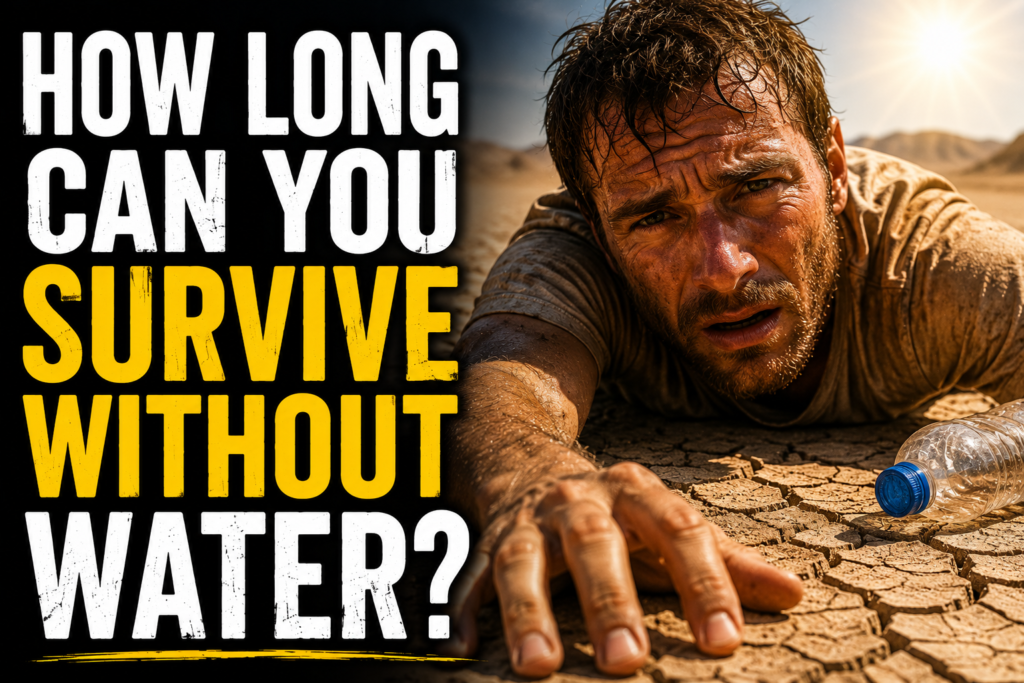
Our article How Long Can You Survive Without Water? The Truth Might Shock You explains why water is always one of the first priorities during any emergency:
2. Shelter Protects More Than Most People Realize
When people hear the word shelter, they often think of a tent.
In survival situations, shelter means protection from the environment.
The weather can become your biggest threat long before hunger ever does.
Wind strips away body heat.
Rain soaks clothing and accelerates heat loss.
Extreme sun increases dehydration.
Cold temperatures raise the risk of hypothermia.
A shelter doesn’t need to be fancy.
It simply needs to help protect you from the conditions around you.
Examples include:
- Tents
- Tarps
- Lean-tos
- Emergency bivvies
- Vehicles
- Natural windbreaks
One of the most common mistakes inexperienced outdoorsmen make is waiting too long to build shelter.
The best time to prepare for bad weather is before it arrives.

3. Fire Sustains Life
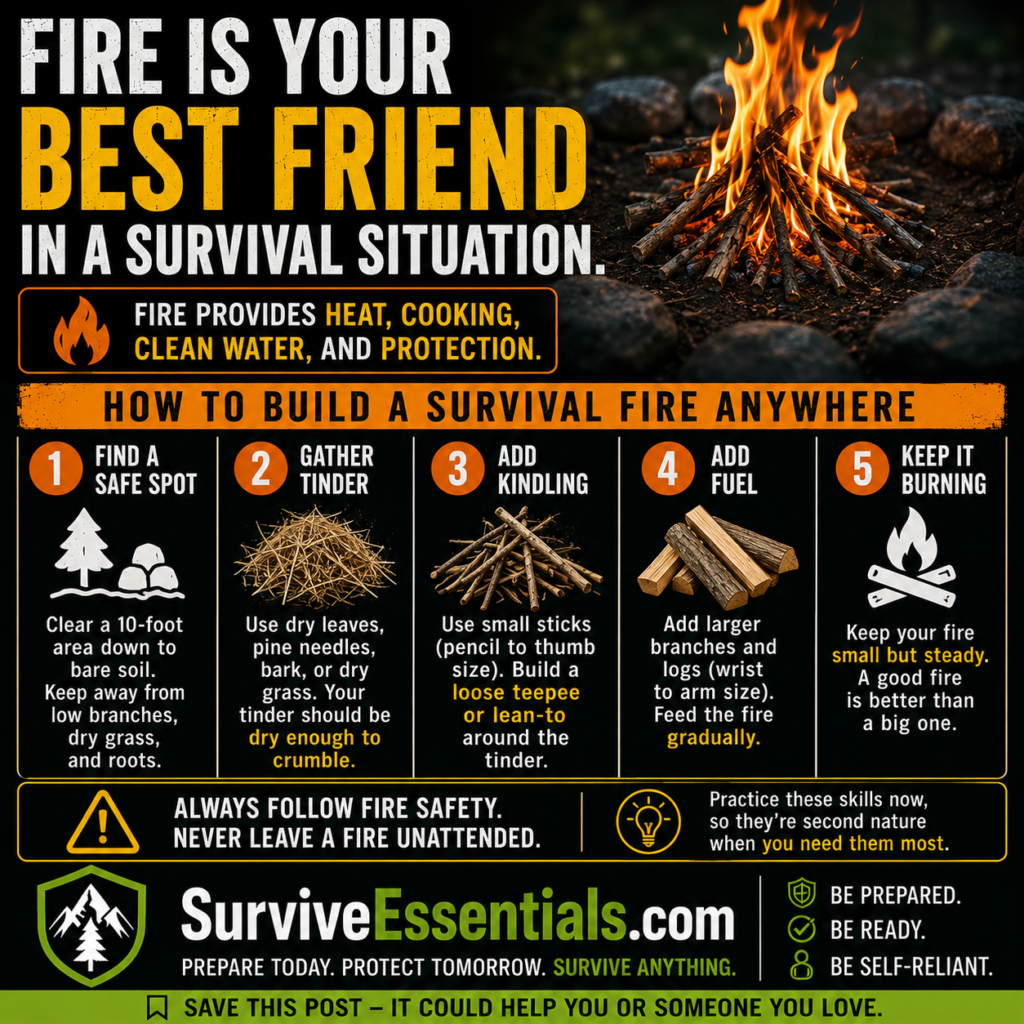
Few survival tools are as powerful as fire.
Fire provides benefits that go far beyond warmth.
A well-maintained fire can provide:
- Heat
- Light
- Water purification
- Cooking
- Signaling
- Protection
- Comfort
Fire can help dry wet clothing.
It can boost morale during stressful situations.
It can make unsafe water safer through boiling.
It can help rescuers locate your position.
In many situations, fire becomes the center of your survival strategy.
That’s why learning how to start and maintain a fire under various conditions is such a valuable skill.
Our article Why Fire Is the Most Important Survival Skill You’ll Ever Learn explains why so many survival experts consider fire-making essential:
4. Awareness Keeps You Safe
Many emergencies could be avoided entirely with better awareness.
Awareness means paying attention to what’s happening around you.
It means noticing:
- Changing weather
- Dangerous terrain
- Rising water levels
- Wildlife activity
- Equipment problems
- Signs of fatigue
The sooner you recognize a problem, the easier it is to solve.
Good awareness helps prevent mistakes before they become emergencies.
Many experienced hikers, hunters, campers, and outdoorsmen aren’t successful because they’re lucky.
They’re successful because they constantly observe their surroundings.
They identify risks early.
They adapt before problems grow.

In survival, prevention is often far easier than recovery.
5. Preparation Makes the Difference
There is a reason the preparedness community emphasizes planning.
Preparation reduces uncertainty.
Prepared people don’t necessarily own expensive gear.
They simply think ahead.
They ask themselves:
- What could go wrong?
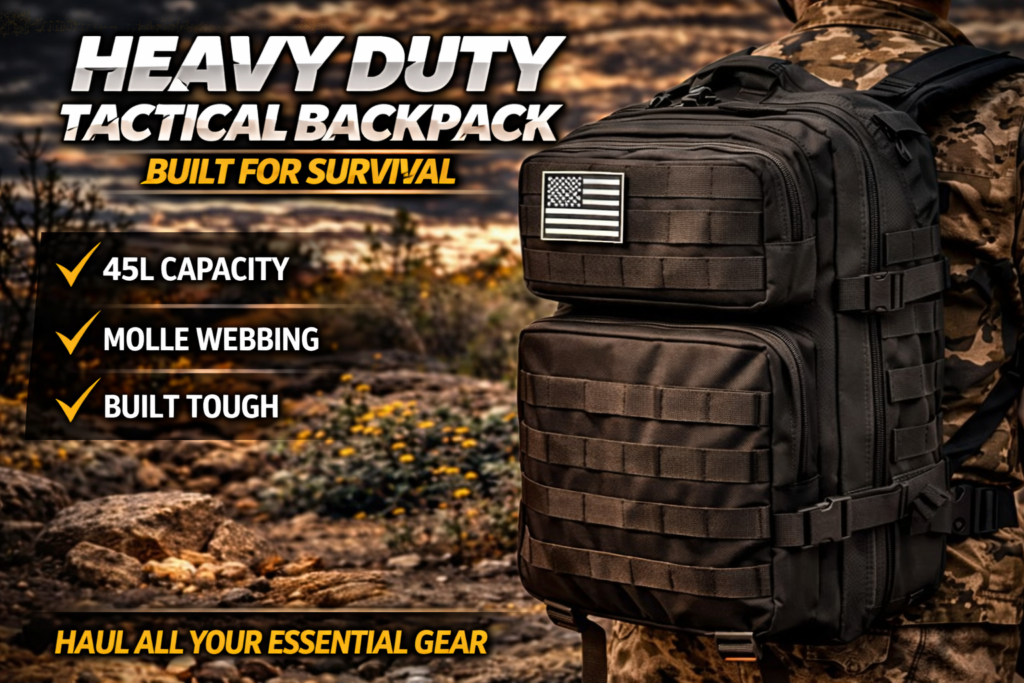
- What supplies should I carry?
- What skills should I learn?
- What backup plans do I have?
Preparedness might include:
- Emergency food
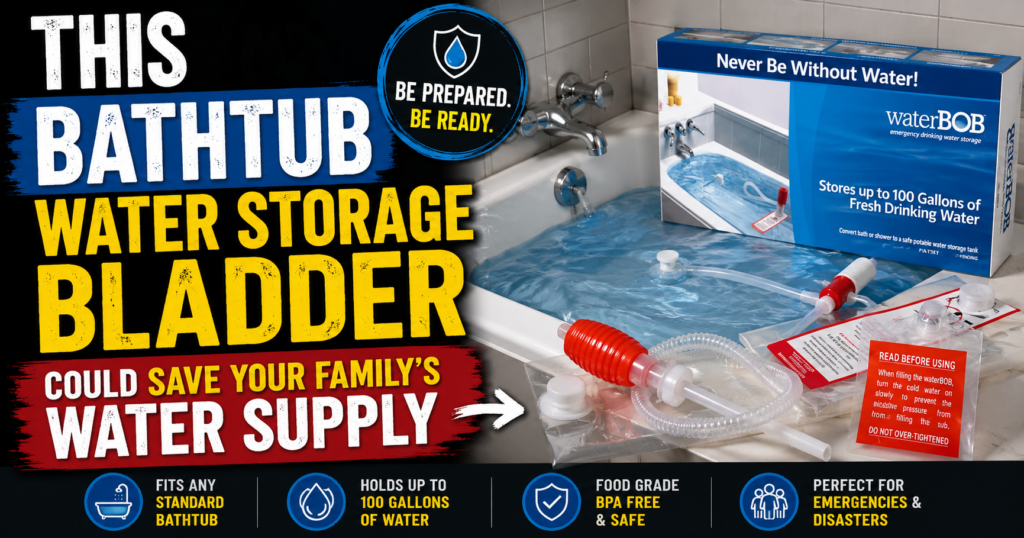
- Water storage
- First aid supplies
- Backup power
- Flashlights
- Fire starters
- Emergency radios
- Navigation tools
One often-overlooked area of preparedness is communication.
When power outages occur, information becomes incredibly valuable.
Knowing what’s happening allows you to make better decisions.
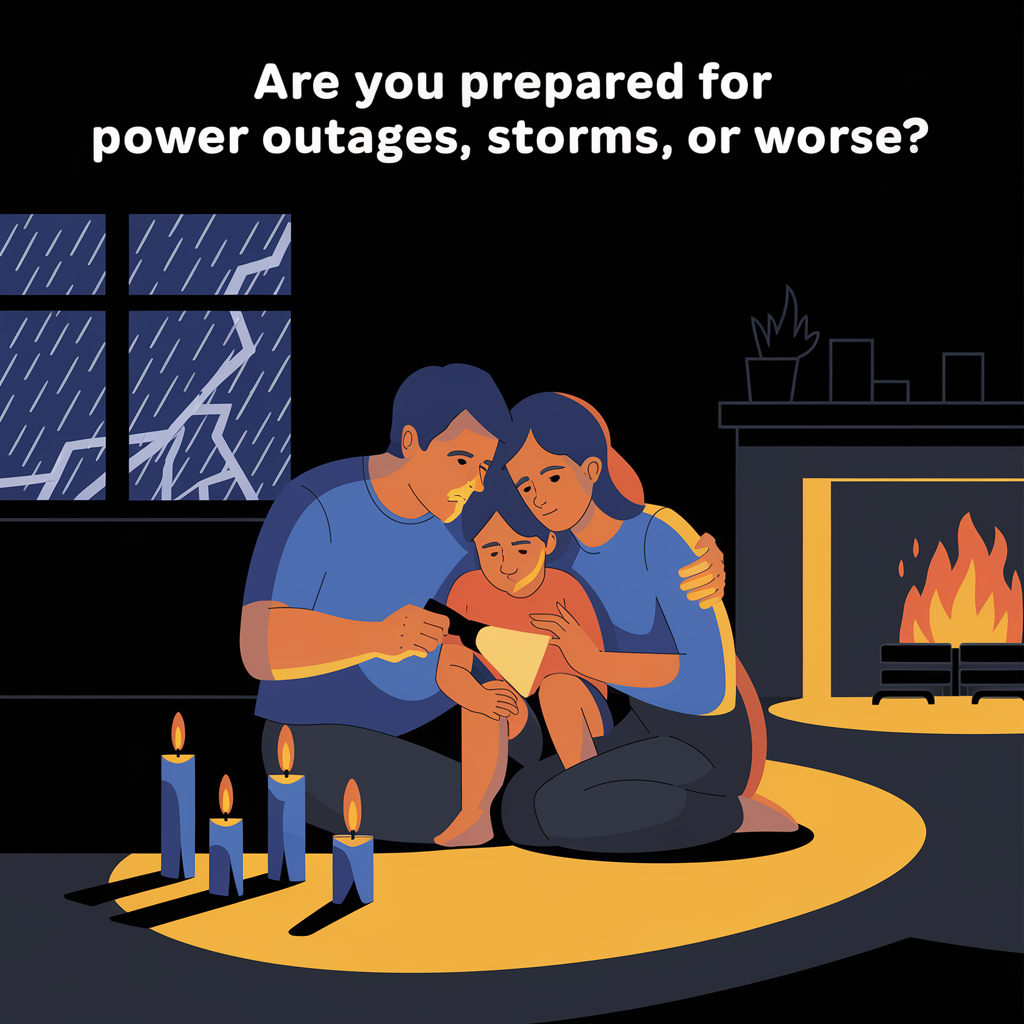
Our article When the Power Goes Out, Communication Is Your Lifeline explains why communication should be part of every emergency plan:

6. A Calm Mindset Keeps You Going
This may be the most important survival factor of all.
Panic is dangerous.
When people panic, they often:
- Make poor decisions
- Waste energy
- Ignore priorities
- Take unnecessary risks
- Miss obvious solutions
A calm mindset allows you to think clearly.
Clear thinking leads to better decisions.
Better decisions improve survival outcomes.
One of the first things many survival instructors teach is to slow down.
Stop.
Think.
Assess the situation.
Create a plan.
Most emergencies feel less overwhelming once you begin solving one problem at a time.
The ability to remain calm under pressure is one of the most valuable survival skills you can develop.
Why People Often Focus on the Wrong Things
Many people immediately worry about food.
Food certainly matters.
But food is rarely the most urgent problem.
A more realistic order often looks like this:
- Immediate medical issues
- Shelter
- Water
- Fire
- Communication
- Long-term food needs
Understanding priorities helps you focus on what actually matters.
When you address the biggest threats first, everything else becomes easier to manage.
Survival Is About Making Good Decisions
Survival isn’t usually about performing incredible feats.
It’s about consistently making good decisions.
The six priorities we’ve discussed work together.
Water keeps your body functioning.
Shelter protects you from the environment.
Fire provides warmth, light, and purification.
Awareness helps you avoid danger.
Preparation gives you options.
A calm mindset helps you think clearly.
When combined, these factors create a strong foundation for handling emergencies both outdoors and at home.

The Best Time to Prepare Is Before You Need To
The truth is that most successful survival stories begin long before the emergency itself.
They begin when someone learns a skill.
Stores extra water.
Carries the right gear.
Creates a plan.
Practices preparedness.
Every small step you take today increases your ability to handle challenges tomorrow.
You don’t need to become a survival expert overnight.
Start with the basics.
Learn one skill at a time.
Build your knowledge.
Improve your preparation.
Because when an emergency arrives, these six priorities can help you stay focused, make smarter decisions, and greatly improve your chances of getting through it safely.