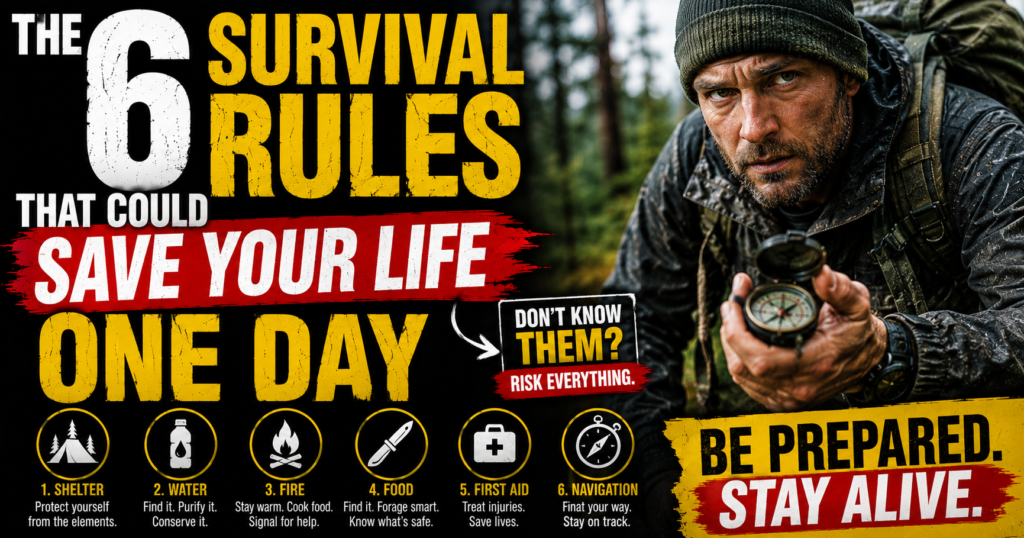
Most People Ignore These 6 Survival Rules Until It’s Too Late
Most survival situations don’t begin the way people imagine.
There is usually no dramatic plane crash.
No movie-style wilderness adventure.
No warning sirens.
Instead, it often starts with a simple mistake.
A wrong turn on a hiking trail.
A vehicle breakdown during bad weather.
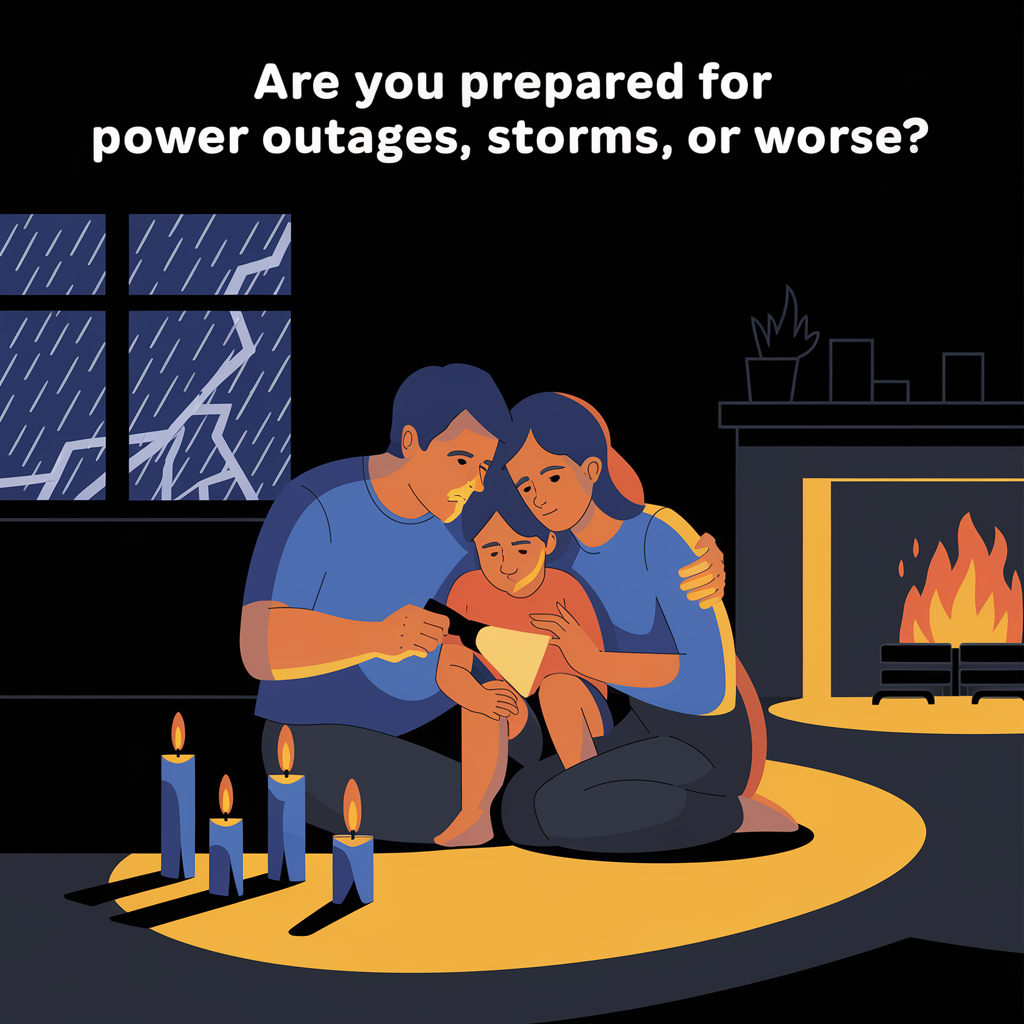
A power outage that lasts far longer than expected.
A sudden storm that catches you unprepared.
When things go wrong, people often panic and focus on the wrong priorities. They worry about food before water. They wander when they should stay put. They waste energy instead of conserving it.
The truth is that survival is often less about strength and more about making good decisions. Those decisions become easier to organize when you understand the The 6 Things That Matter Most in a Survival Situation before an emergency tests your judgment.
The six survival rules below have helped countless people navigate emergencies, wilderness incidents, natural disasters, and unexpected crises. They’re simple to remember, but incredibly important when life gets serious.
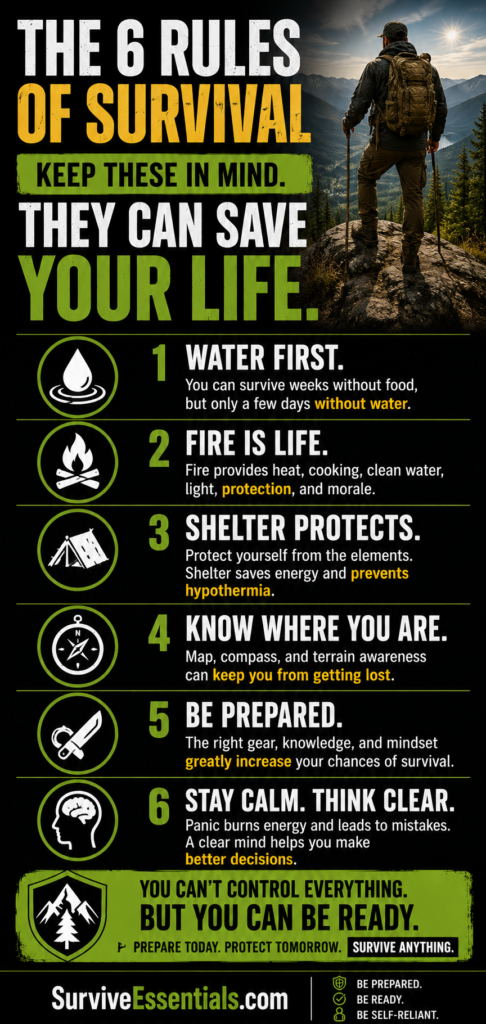
Rule #1: Water Comes Before Almost Everything Else
Many people assume food should be their first concern.
In reality, water is usually far more urgent. Once water becomes the priority, Survival Water Purification: Essential Wild Tips explains how to make unsafe sources safer to drink.
The human body can often survive for weeks without food under the right circumstances. Water is a completely different story.
Without adequate hydration, your physical and mental performance begin declining rapidly.
Even mild dehydration can cause:
- Fatigue
- Headaches
- Poor decision-making
- Reduced endurance
- Confusion
Severe dehydration can become life-threatening much faster than most people realize.
That’s why experienced survivalists almost always begin by identifying available water sources and determining how they’ll make that water safe to drink.
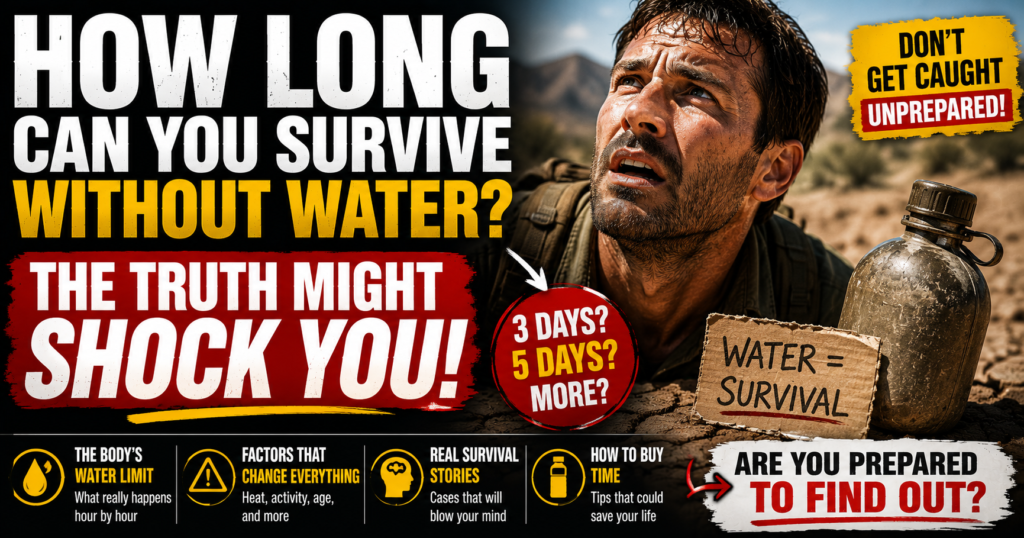
If you haven’t already, read our guide on How Long Can You Survive Without Water? The Truth Might Shock You to understand just how important hydration really is.
Rule #2: Fire Solves Multiple Problems at Once
Few survival tools are as valuable as fire.
A properly maintained fire can provide:
- Warmth
- Light
- Water purification
- Cooking
- Signaling
- Comfort
- Protection
Many survival experts consider fire one of the most important skills a person can learn because it addresses so many different challenges simultaneously.
Fire can help prevent hypothermia, improve morale, and make questionable water sources safer through boiling.
The ability to build and maintain a fire under difficult conditions is one of the reasons humans have survived harsh environments for thousands of years.
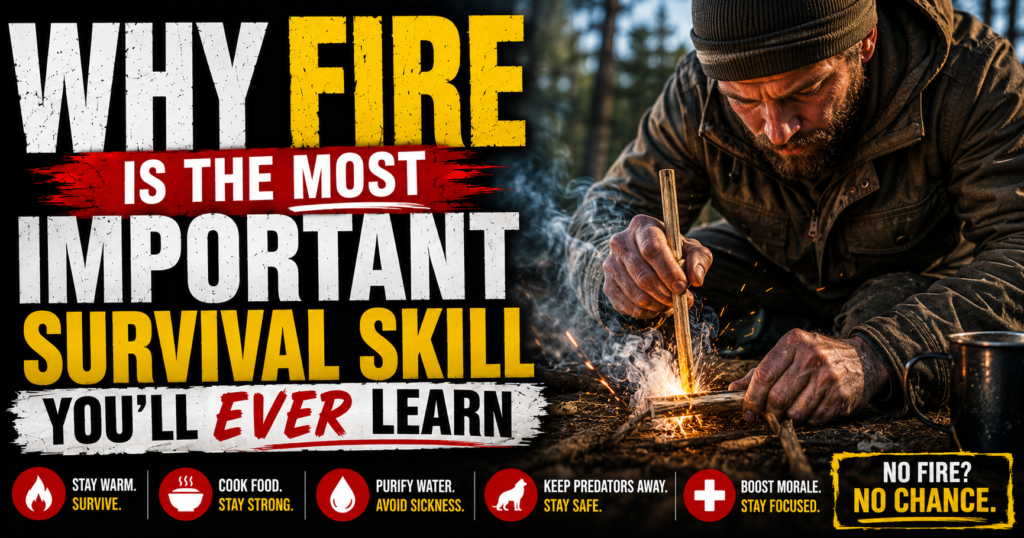
Our article on Why Fire Is the Most Important Survival Skill You’ll Ever Learn explores this topic in much greater detail.
Rule #3: Shelter Often Matters More Than Food
When people think about survival, they usually picture hunger.
However, exposure to the elements often becomes a much more immediate threat.
Rain.
Wind.
Cold temperatures.
Extreme heat.
These environmental factors can quickly turn a difficult situation into a dangerous one.
A basic shelter can help:
- Conserve body heat
- Block wind
- Stay dry
- Reduce exposure
- Improve rest and recovery
Even a simple shelter can dramatically increase your chances of remaining safe and comfortable during an emergency.
This is why experienced outdoorsmen often prioritize shelter before worrying about finding food.
Rule #4: Don’t Get Lost in the First Place
One of the easiest survival situations to avoid is getting lost.
Unfortunately, many people rely entirely on their smartphones for navigation.
Phones can break.
Batteries die.
Signals disappear.
A basic understanding of navigation remains incredibly valuable.
Every outdoor enthusiast should understand:
- How to read a map
- How to use a compass
- How to identify landmarks
- How to track direction of travel
The goal isn’t just finding your way out.
It’s avoiding becoming lost in the first place.
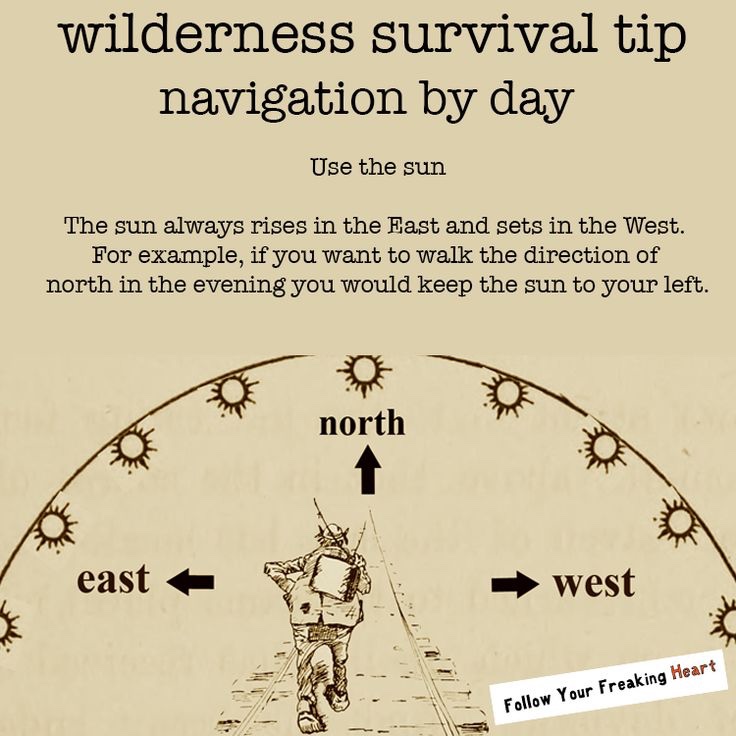
Our guide on The Essential Guide to Survival Navigation covers practical navigation skills that everyone should know.
Rule #5: Preparation Beats Improvisation
Movies often make survival look like a series of last-second heroic decisions.
Real life is usually much less dramatic.
Prepared people tend to avoid many survival situations altogether.
They carry appropriate gear.
They understand the environment.
They know basic skills.
They have backup plans.
Preparation doesn’t eliminate risk, but it greatly reduces it.
Some examples include:
- Carrying extra water
- Bringing a flashlight
- Packing emergency food
- Keeping first aid supplies available
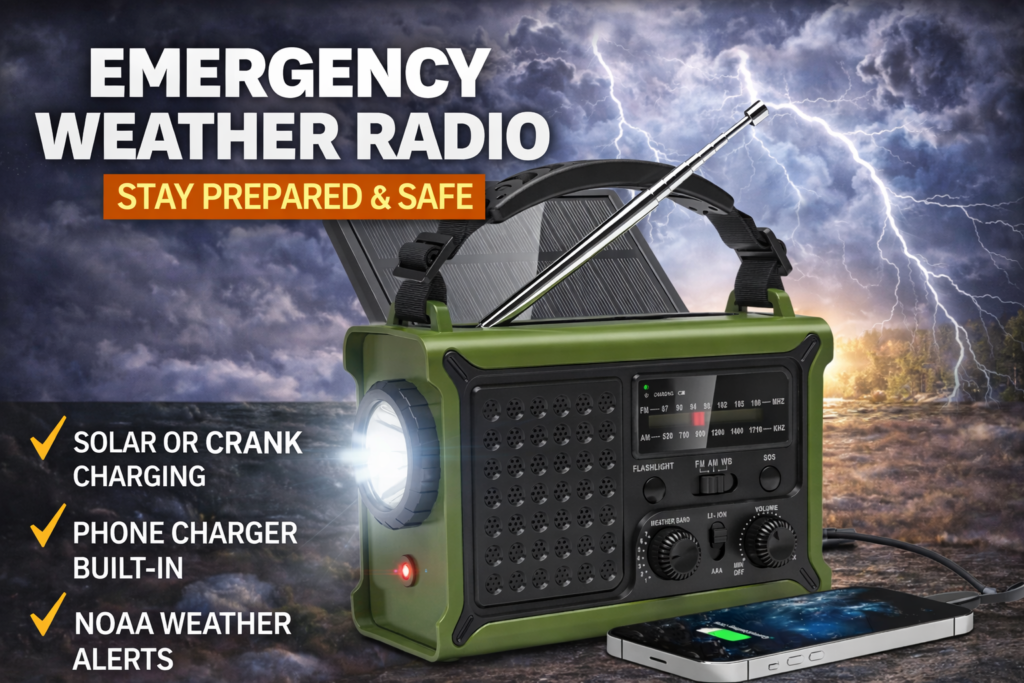
- Having reliable communication equipment
The more preparation you do beforehand, the fewer emergency decisions you’ll need to make later.
Rule #6: Stay Calm and Think Clearly
This may be the most important rule of all.
Panic destroys decision-making.
When people panic, they often:
- Waste energy
- Ignore priorities
- Make dangerous choices
- Miss obvious solutions
- Take unnecessary risks
A calm mind is one of the most powerful survival tools you possess.
The first thing many survival instructors teach is simple:
Stop.
Take a breath.
Assess the situation.
Think.
A person who remains calm often has a significant advantage over someone with better gear but poor judgment.
The ability to slow down and think clearly can prevent small problems from becoming major emergencies.
Why Most Survival Situations Are Preventable
One interesting reality about survival is that many emergencies begin long before the actual crisis.
Poor planning.
Ignoring weather forecasts.
Failing to carry essential gear.
Overestimating abilities.
Underestimating risks.
These are common causes of preventable emergencies.
That’s why preparedness is so important.
Preparedness isn’t about fear.
It’s about reducing uncertainty.
It’s about having options when circumstances change unexpectedly.
The Rules Work Together
The biggest mistake people make is treating survival priorities as separate topics.
Water, fire, shelter, navigation, preparation, and mindset all work together.
Water keeps your body functioning.
Fire provides warmth and purification.
Shelter protects you from the environment.
Navigation helps you avoid getting lost.
Preparation reduces risk.
A calm mindset allows you to make good decisions.
When combined, these principles create a strong foundation for handling emergencies both in the wilderness and at home.

You Don’t Need to Be an Expert
The good news is that you don’t need to become a professional survival instructor to benefit from these rules.
Small improvements make a big difference.
Learn how to start a fire.
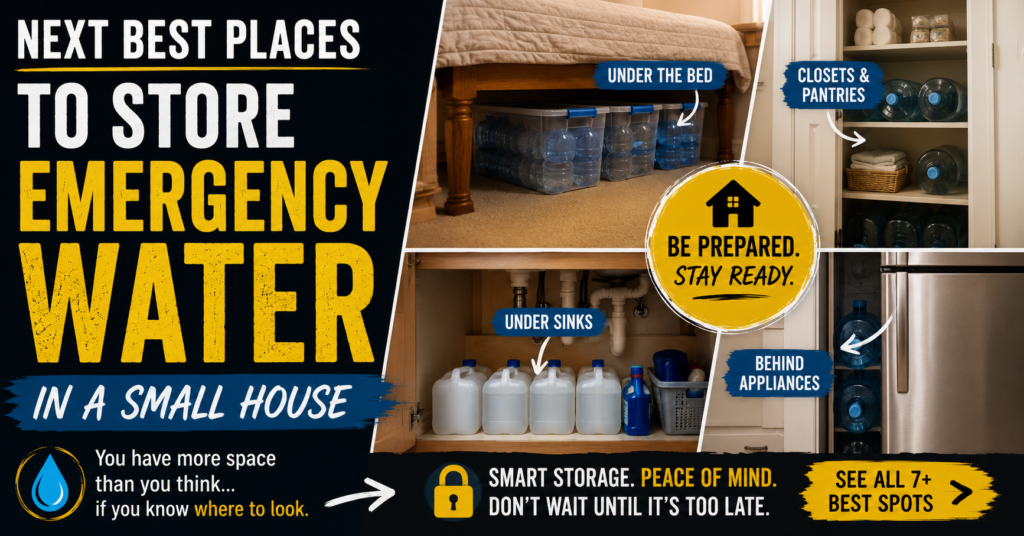
Store emergency water.
Carry a flashlight.
Keep a first aid kit nearby.
Practice basic navigation.
Develop a simple emergency plan.
Preparedness is a skill that grows over time.
The people who handle emergencies best are rarely the strongest or luckiest.
They’re usually the people who took the time to prepare before they needed those skills.
And when things go wrong, that preparation often becomes their greatest advantage.