Most people who think they’re prepared aren’t. They’ve got a flashlight from 2019 with dead batteries, a case of bottled water under the bed, and a vague plan to “head to my sister’s place.” That’s not a bug out plan. That’s wishful thinking.
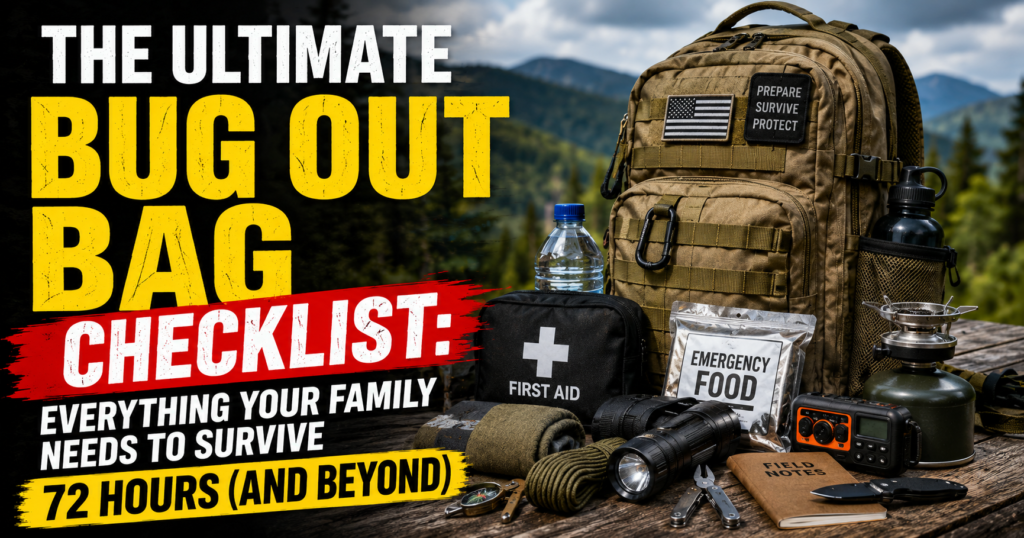
A real bug out bag — one that could actually keep your family alive if you had 15 minutes to leave your home and never come back — takes thought, testing, and the right gear in the right order. This guide covers all of it.
Whether you’re prepping for a regional grid collapse, a natural disaster, civil unrest, or a full SHTF scenario, the fundamentals are the same. You need water, food, shelter, fire, navigation, first aid, and communication. Miss one category and the whole plan falls apart.
Let’s build this right.
What Is a Bug Out Bag?
A bug out bag (BOB) is a pre-packed bag containing everything you need to survive for at least 72 hours if you’re forced to evacuate your home on short notice. The name comes from military slang — “bugging out” means leaving fast when staying puts you in danger.
The 72-hour standard comes from FEMA’s own emergency guidelines, which assume that local relief infrastructure will be operational within three days. Experienced preppers push past that assumption. If a true grid-down event hits, three days may be the start of your problems, not the end.
That’s why this checklist is designed to cover the essentials for 72 hours while building toward longer-term sustainability. The bag you’re building today should be able to keep you and your family alive, mobile, and functional — not just comfortable for a long weekend.
How to Choose the Right Bug Out Bag
Before you pack a single item, you need the right bag. This is not the place to repurpose your kid’s old school backpack or grab whatever’s on sale at the sporting goods store.
Your bug out bag needs to be:
- Large enough to hold 72+ hours of gear without overflow
- Durable enough to survive rough terrain, rain, and hard use
- Comfortable enough to carry for hours at a time
- Organized enough that you can find anything in the dark
For most adults, a 40–60 liter capacity hits the sweet spot. Anything smaller and you’re cutting critical gear. Anything larger and you’re hauling unnecessary weight that slows you down when speed matters most.
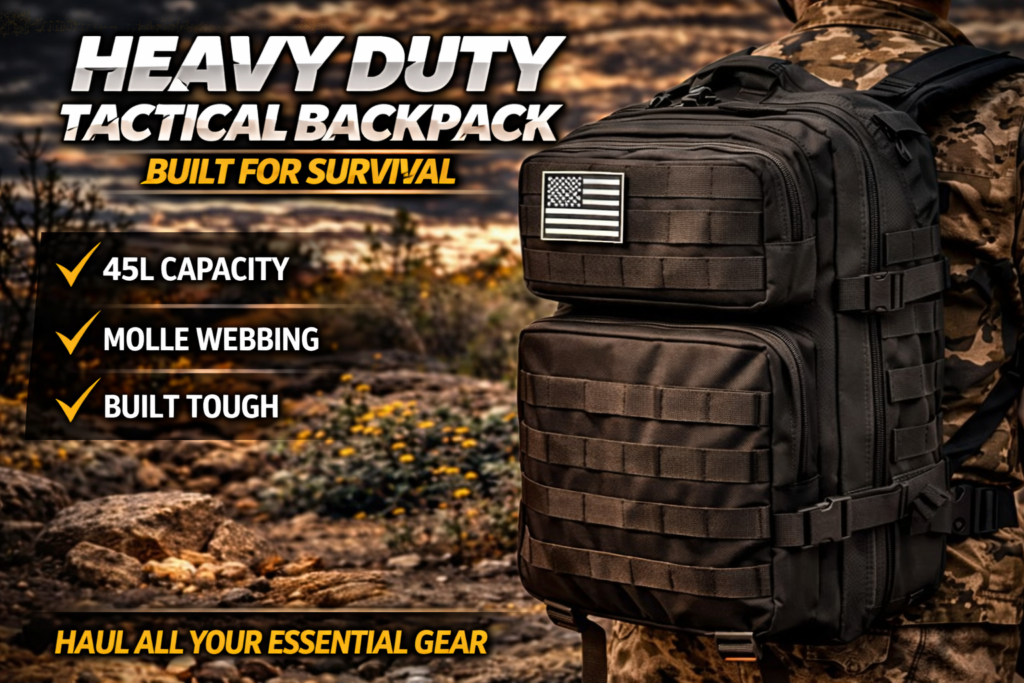
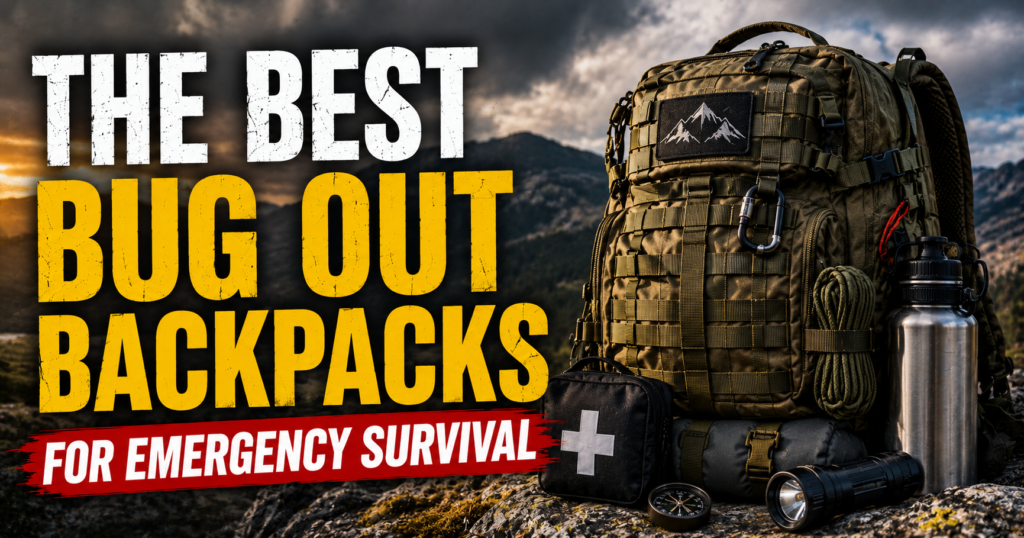
The QT&QY 45L Tactical Backpack is what we recommend for most preppers. It’s MOLLE-compatible, built for abuse, and sized right for a 72-hour load without making you feel like you’re carrying a boulder. It has a dedicated hydration compartment, multiple access points, and the kind of construction that doesn’t fall apart when you’re moving fast.
For children, pack a smaller age-appropriate bag they can actually carry. Kids 8 and up can handle a 10–15 liter pack with their own snacks, a change of clothes, and comfort items. This also gives them ownership of the plan, which matters when things get stressful.
The Complete Bug Out Bag Checklist
Category 1: Water
Water is the non-negotiable. You can survive three weeks without food. You’ll be incapacitated in three days without water — less in heat. This is category one for a reason. Choosing the right filter for this essential bag category is covered in Best Water Filtration for Survival: Top Tools and Tips.
What to pack:
- Water filtration straws (minimum one per person)
- Collapsible water bottles or a hydration bladder
- Water purification tablets (backup to your filter)
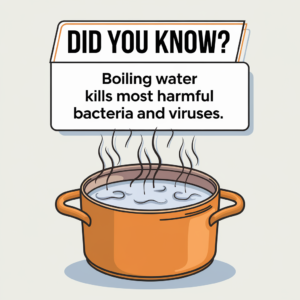
- Small metal container for boiling
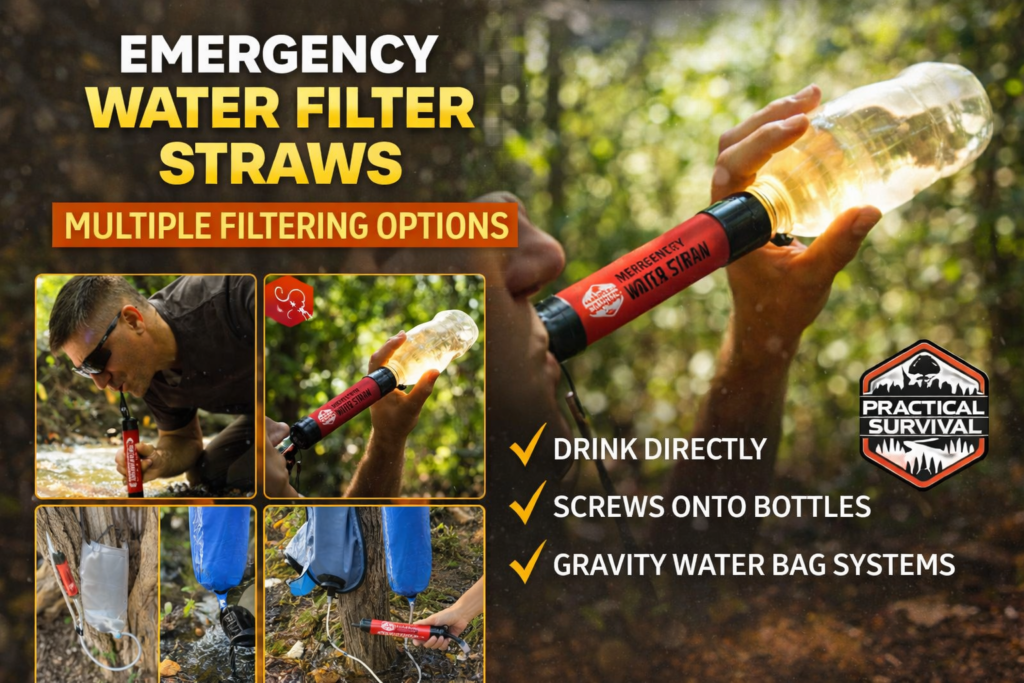
The Emergency Water Straws we carry filter up to 1,800 gallons per straw with no expiration date. That’s not a backup — that’s a primary water system in a lightweight, packable form. These go in every bag, every time.
Don’t rely on bottled water alone. Bottles are heavy, run out fast, and turn your 72-hour bag into a 24-hour bag. Your filter is the force multiplier — it turns any stream, puddle, or questionable tap into drinkable water.
Category 2: Food
You don’t need to eat like royalty when you’re bugging out. You need calories, protein, and foods that don’t require cooking if it comes to that. Plan for 1,500–2,000 calories per adult per day minimum — more if you’re moving hard.
What to pack:
- Freeze-dried meal pouches (just-add-water, 25-year shelf life)
- High-calorie protein bars
- Nuts, jerky, trail mix
- Hard candy for quick glucose and morale
- Instant coffee or tea packets
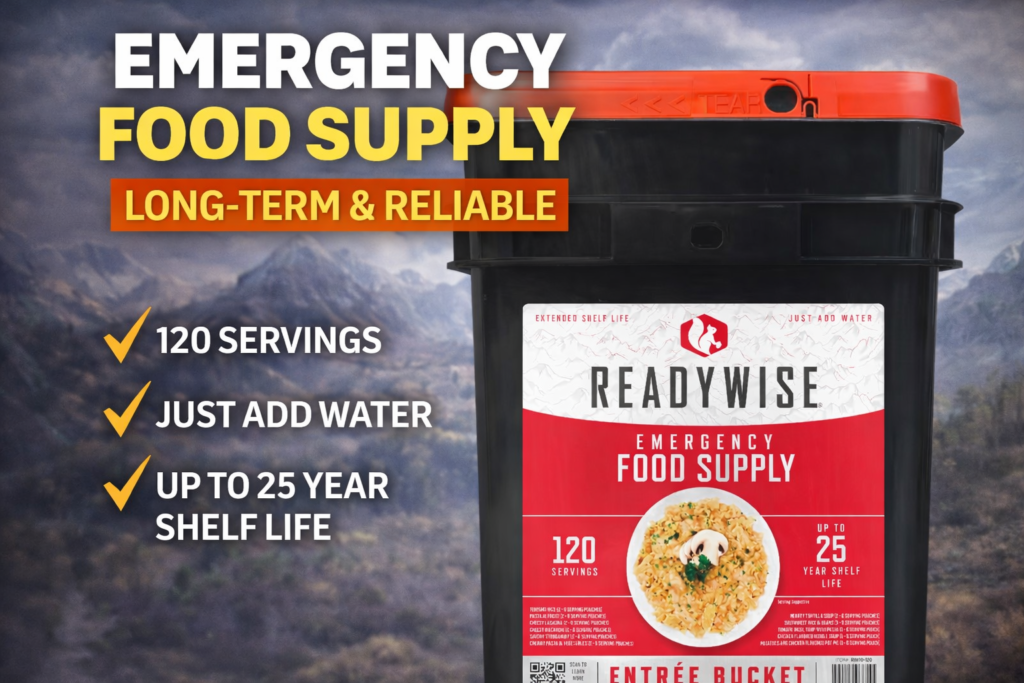
The ReadyWise Emergency Food Supply is the best starting point for serious preppers. The 120-serving bucket lives in your home storage, but pull out a week’s worth of pouches and rotate them through your BOB. Freeze-dried food is lightweight, calorie-dense, and actually edible — not the cardboard survival bars most people picture.
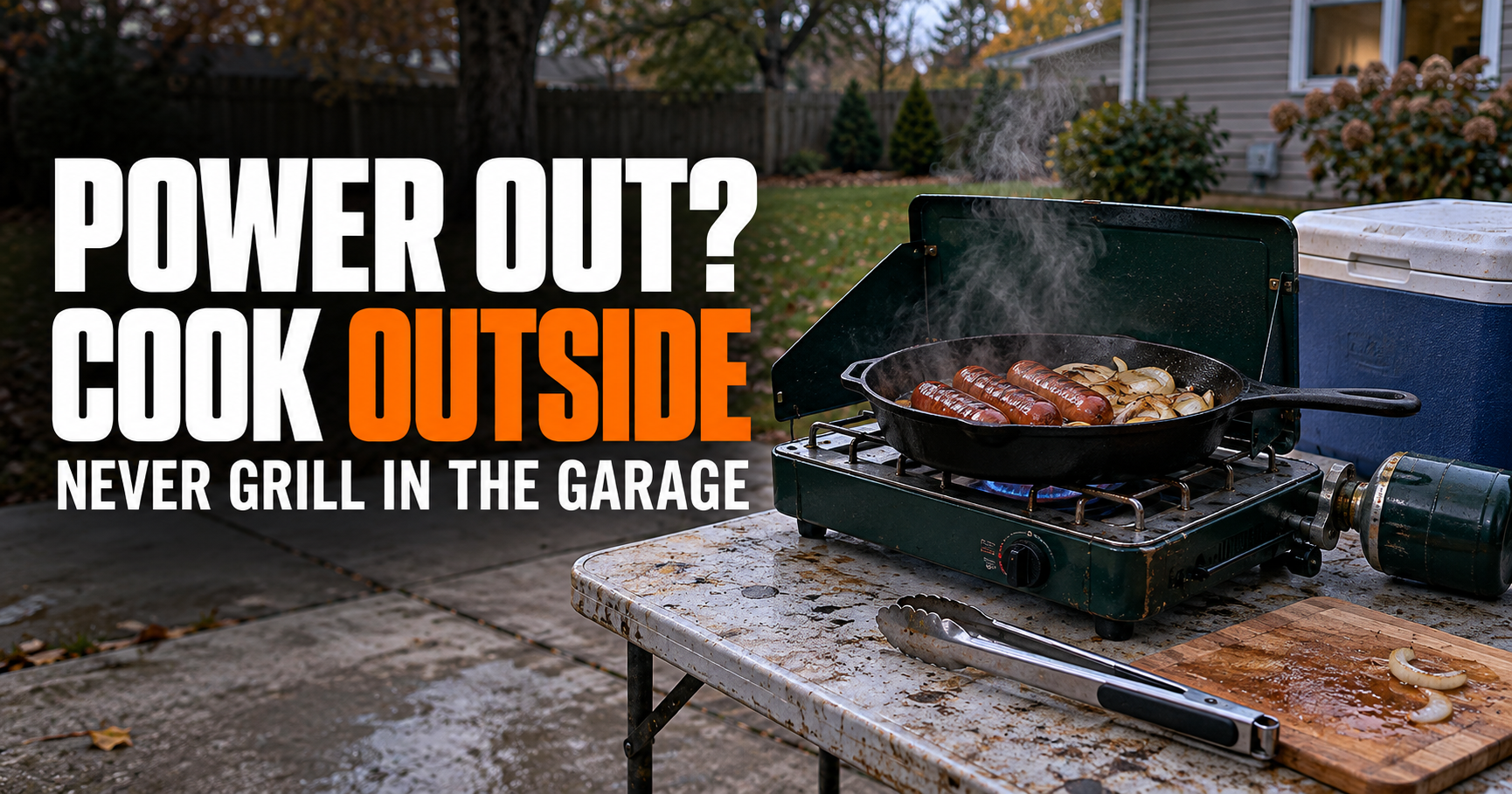
Include a small folding camp stove or at minimum a metal cup that can sit over a fire. Hot food does more for morale and warmth than most gear items twice its weight.
Category 3: Shelter and Warmth
Exposure kills faster than hunger and almost as fast as dehydration. Your shelter category needs to cover sleeping, rain, wind, and cold — even in summer, because you don’t know when you’re leaving or where you’re going.
What to pack:
- Emergency mylar sleeping bags (one per person)
- Lightweight tarp or emergency bivy
- Paracord (minimum 50 feet) for shelter rigging
- Extra wool or synthetic socks and base layer
- Rain poncho
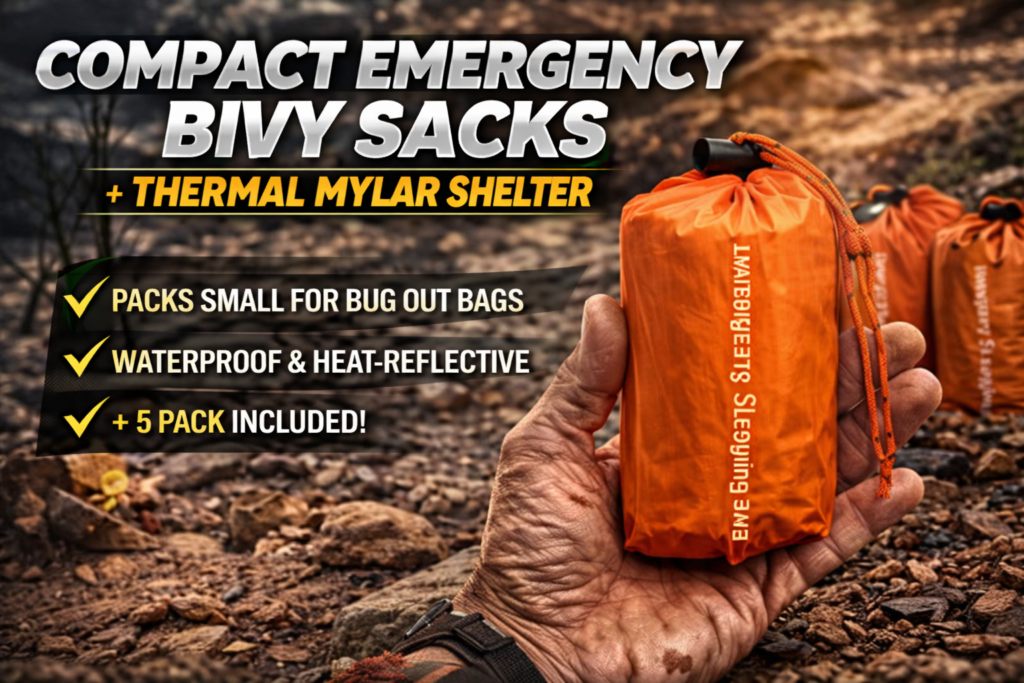
The NovaMedic Mylar Emergency Sleeping Bags come in a 5-pack and pack down to almost nothing. They reflect 90% of your body heat back to you and can be the difference between a cold miserable night and hypothermia. At this price point there’s no reason not to have one in every bag.
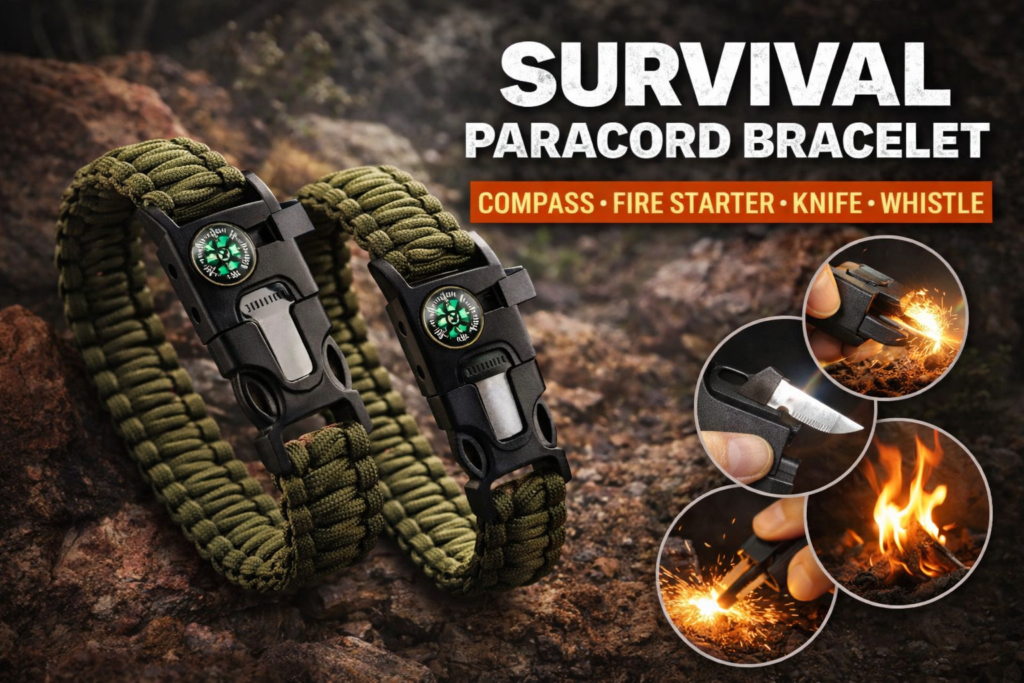
Paracord does double duty here — it’s your shelter rigging line, your clothesline, your gear lashing, and your backup repair material. The paracord survival bracelets give you a wearable backup supply that’s always on your wrist even if your bag gets separated from you.
Category 4: Fire
Fire is warmth, water purification, food cooking, signaling, and morale all in one. Never pack one fire-starting method. Pack three.
What to pack:
- Ferro rod with striker
- Waterproof matches
- Butane lighter
- Tinder (cotton balls with petroleum jelly, dryer lint, or commercial fire starters)
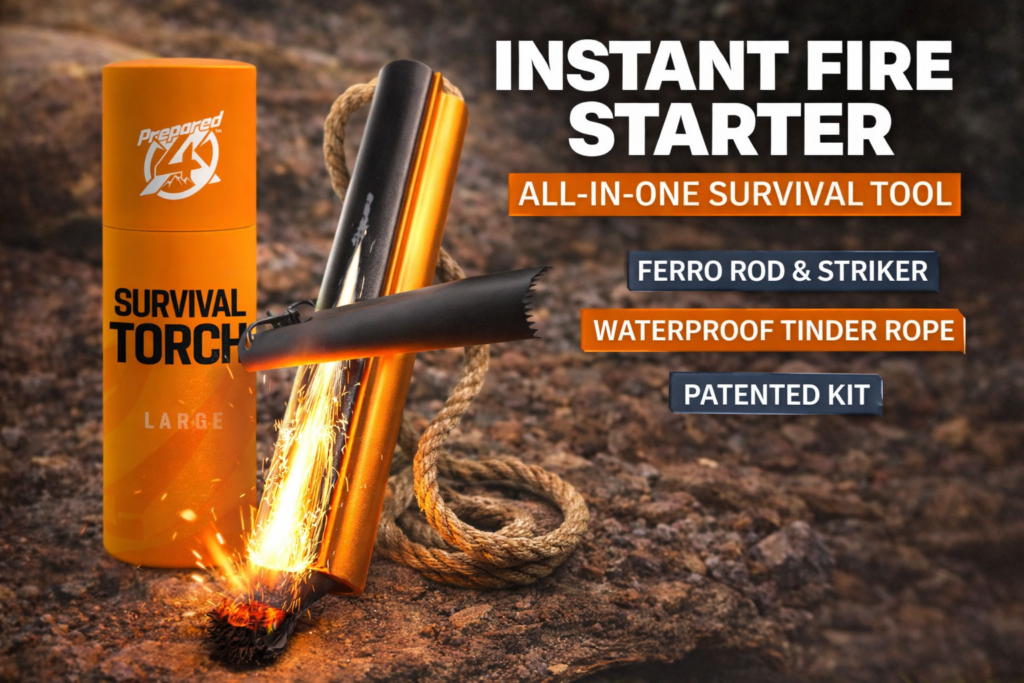
The Prepared4X Ferro Rod Fire Starter Kit is our top pick — it comes with a 36-inch waterproof tinder wick rope that catches a spark even in wet conditions. A lighter runs out of fuel. Matches get wet. A quality ferro rod lasts for thousands of strikes and works in rain, snow, and wind.
Practice with your fire kit before you need it. Starting a fire under stress with unfamiliar tools is a miserable experience. Do it in your backyard on a Tuesday evening so you’re not doing it for the first time in the dark with cold hands.
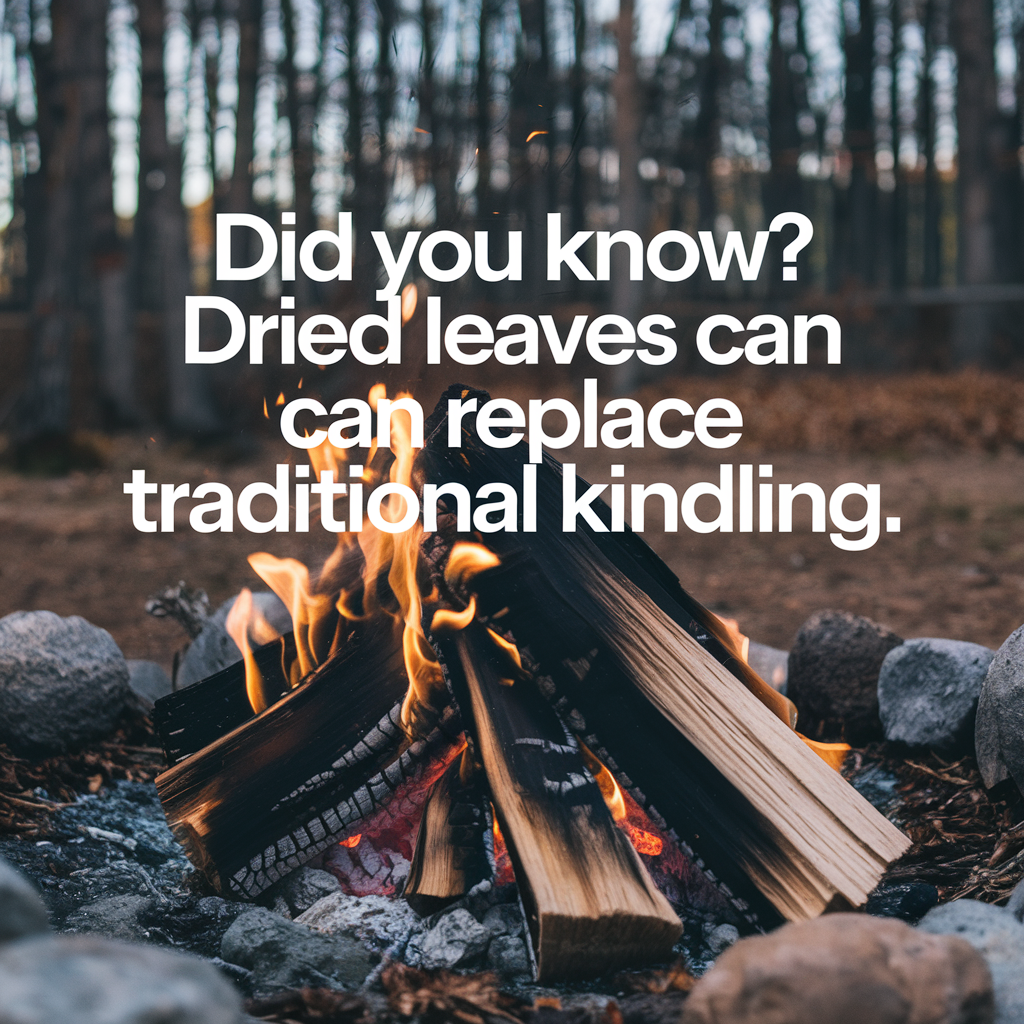
If you need to build or refresh your fire-starting skills, our guide to starting a fire without kindling walks through real-world techniques that work when conditions aren’t cooperating.
Category 5: First Aid
In a bug out situation, there’s no ambulance coming. A deep cut, a broken ankle, or an allergic reaction that you can’t manage yourself becomes a life-threatening problem fast. Your first aid kit needs to go beyond band-aids and aspirin.
What to pack:
- Trauma-rated IFAK (Individual First Aid Kit)
- Hemostatic blood-clotting agent
- Wound closure strips or closure device
- Tourniquet (CAT or SOFTT-W)
- Prescription medications (30-day supply minimum)
- Nitrile gloves
- SAM splint
- Moleskin for blisters
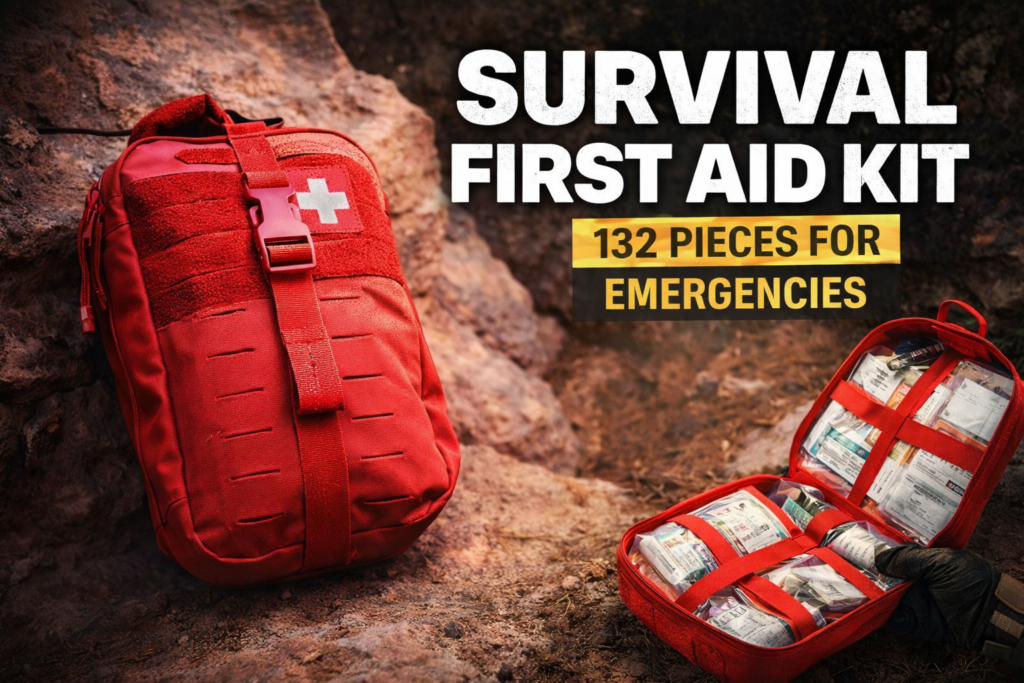
The MY MEDIC MyFAK is a 132-item trauma and medical kit in a single organized pouch. This isn’t a first aid kit you buy at the drugstore — it’s designed for real emergencies including lacerations, burns, and trauma stabilization.
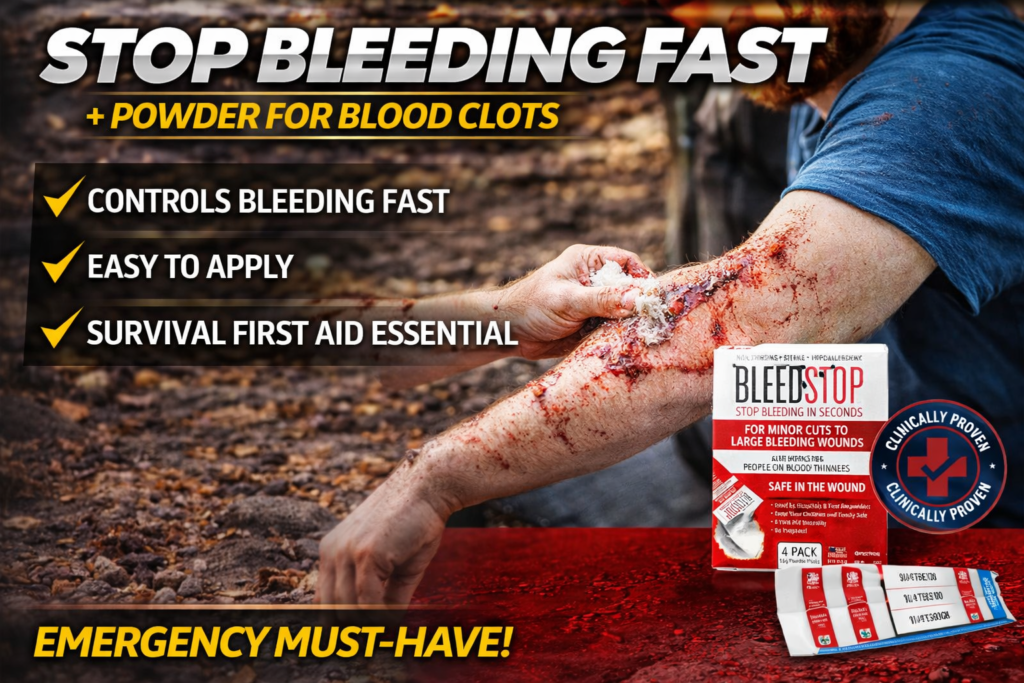
Pair it with BleedStop hemostatic powder for severe bleeding wounds. Hemostatic agents have saved lives in combat situations — there’s no reason not to have them in a civilian prep kit. For wound closure without stitches, the Clozex laceration closure kit is a legitimate field-expedient solution that anyone can use.
Category 6: Navigation and Communication
When cell towers go down — and in a real SHTF scenario they will — your smartphone is a paperweight. You need to be able to navigate without GPS and communicate without cell service.
What to pack:
- Lensatic compass
- Printed paper maps of your region (waterproofed)
- NOAA emergency weather radio (hand-crank/solar)
- Signal whistle
- Signal mirror
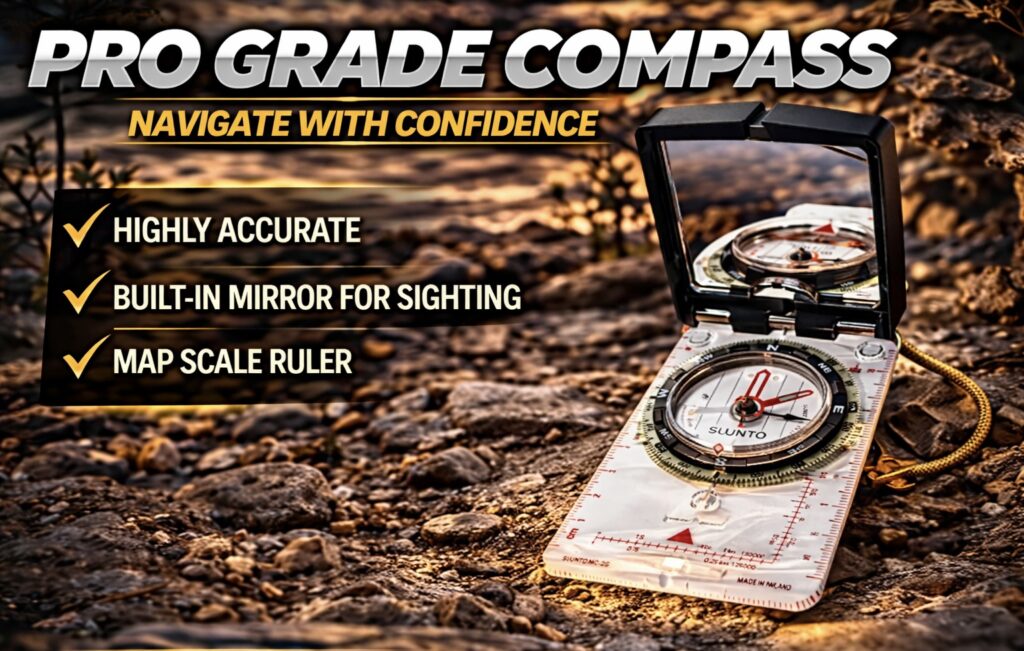
The SUUNTO MC-2 Compass is what serious outdoorsmen and military personnel use. It’s not a toy compass from a novelty shop — it’s a precision navigation instrument that works in any condition. Learn to use it with a map before you need to.
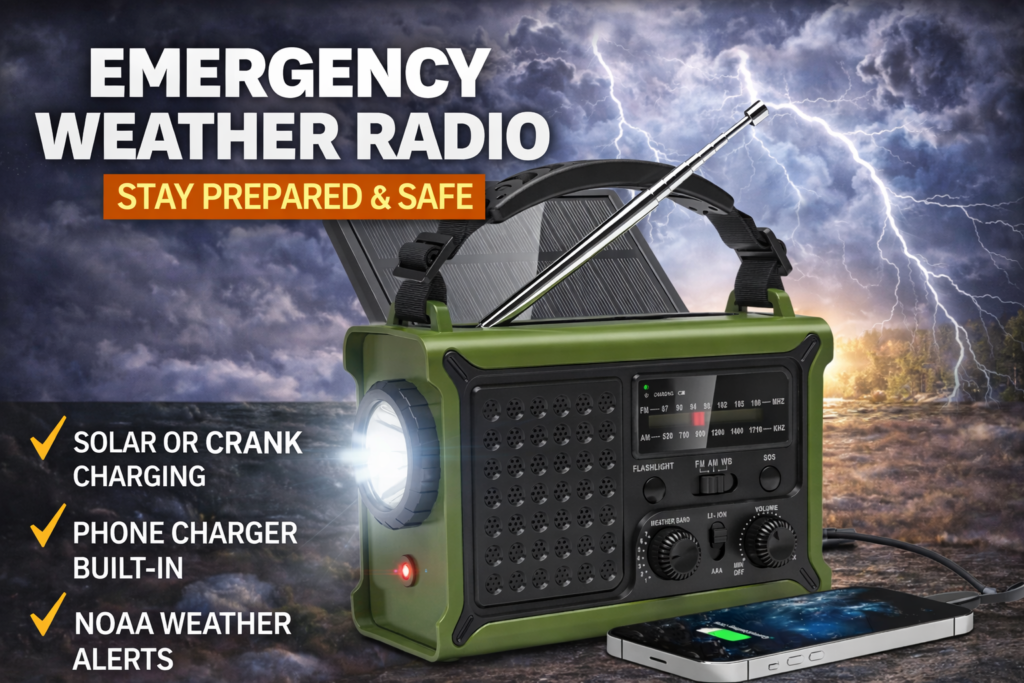
The NOAA emergency radio covers AM/FM and all NOAA weather bands, charges by solar, hand crank, or AC, and includes a flashlight and SOS alarm. This is how you find out what’s happening when the internet and cell networks are gone.
For signaling, the emergency whistle set gives you a sound signal audible for up to a mile. Three blasts is the universal distress signal. Every person in your group should have one on their person — not in their bag.
Category 7: Light
Operating in the dark without reliable light is dangerous and exhausting. Don’t cheap out here.
What to pack:
- High-lumen tactical flashlight (rechargeable)
- Headlamp (hands-free work and camp)
- Extra batteries or USB charging bank
- Glow sticks (mark camp, signal, low-battery backup)
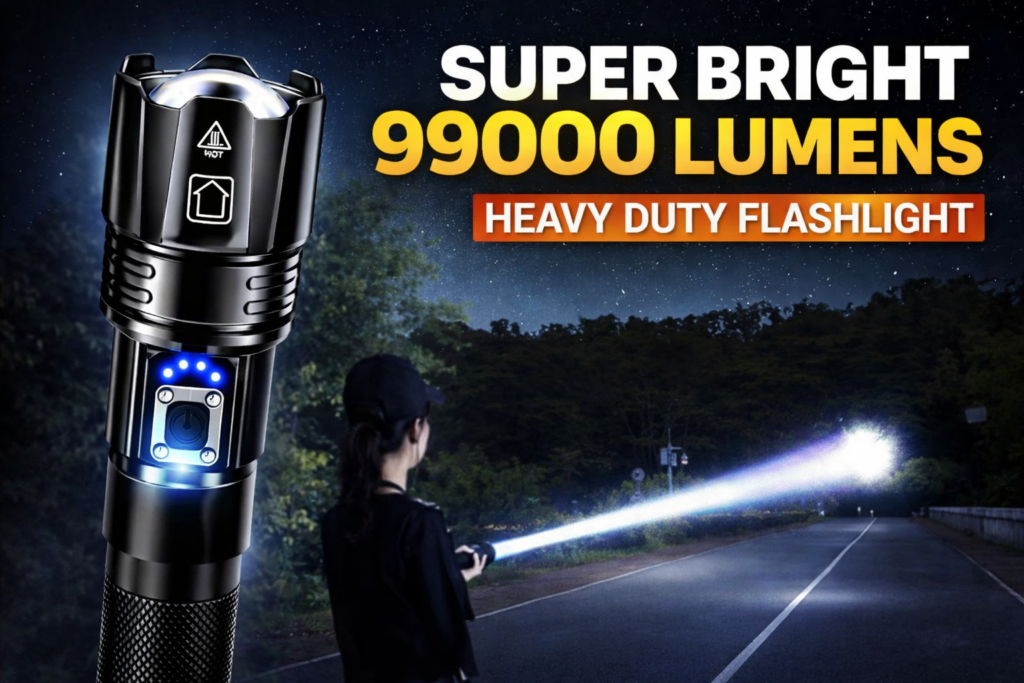
The AKNEAR 99,000-lumen rechargeable flashlight is genuinely in a different category from standard flashlights. Zoomable, IPX-7 waterproof, USB-C rechargeable. Pair it with the BLAVOR solar power bank and you have a recharging system that runs off sunlight — no grid required.
Category 8: Tools and Multi-Use Gear
What to pack:
- Fixed-blade survival knife
- Multi-tool (Leatherman or equivalent)
- Duct tape (wrap around a water bottle to save space)
- Paracord (50–100 feet)
- Work gloves
- N95 masks
- Cash in small bills
- USB drive with copies of important documents

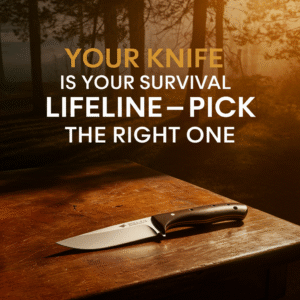
A quality fixed-blade knife is your single most important tool. It processes food, builds shelter, starts fires, and handles dozens of tasks that a multi-tool can’t. Our knife guide breaks down exactly what to look for — blade steel, handle material, sheath quality, and size for your intended use.
Category 9: Nuclear and Radiation Preparedness
This is the category most bug out bag guides skip. They shouldn’t.
A nuclear or radiological event — whether from a weapon, a reactor incident, or a dirty bomb — changes the survival equation dramatically. The difference between those who survive and those who don’t often comes down to having the right supplies and taking action in the first 24 hours.
What to pack:
- Potassium iodide tablets (KI)
- N95 or N100 respirators
- Plastic sheeting and duct tape for shelter-in-place
- Tyvek coveralls
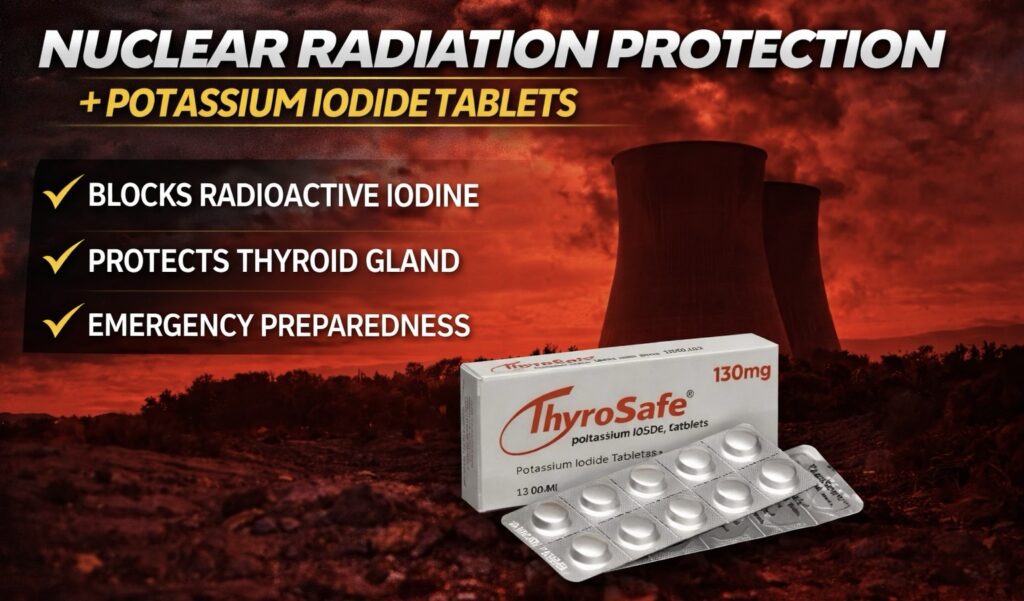
The Potassium Iodide 130mg tablets protect your thyroid from radioactive iodine absorption during a nuclear event. They don’t protect against all radiation — but they address one of the most common and treatable exposure risks. FEMA and the CDC both recommend KI as part of nuclear emergency preparedness. Most people don’t have them. You should.
Family-Specific Additions
A single adult’s bug out bag looks different from a family setup. If you’re prepping for a household, account for:
- Infants/toddlers: Formula, diapers, baby food pouches, medications, comfort item
- Children: Their own small bag with snacks, a change of clothes, and a personal whistle
- Elderly family members: Extra prescription medications, mobility aids, medical alert info
- Pets: Food, water, collapsible bowl, vaccination records, leash
For families with seniors, our senior emergency preparedness guide covers the specific planning steps that most generic checklists miss entirely.
Bug Out Bag Weight: What’s Realistic
The military standard for a loaded ruck is 30–35% of body weight for trained soldiers. For most civilians, keep your loaded bug out bag under 20–25% of your body weight — and err toward the lighter side if you haven’t been training with a weighted pack.
A 150-pound adult should target a finished pack weight under 30 pounds. A 200-pound adult under 40 pounds. Children’s packs should be no more than 10–15% of their body weight.
When in doubt, cut weight from the food and clothing categories first. Add weight-bearing capacity through fitness before you add it to your pack.
The Bug Out Bag Mistake Most Preppers Make
They pack it once and never open it again.
Your bug out bag is not a museum exhibit. It needs quarterly checks — rotate food and water, test electronics, inspect seals on medications, verify nothing has leaked or degraded. Batteries fail. Food expires. Medications lose potency. A bag you haven’t touched in two years is not a survival asset — it’s false confidence.
Set a calendar reminder every three months. Open the bag. Check every category. Replace what needs replacing. If you have kids, involve them so they know where things are and what they’re for.
Your Bug Out Plan Matters as Much as Your Bag
The bag is step one. The plan is step two — and most people never get there.
Your plan needs to answer:
- Where are you going? (Primary and secondary destinations)
- What route are you taking? (Primary and alternate, not just GPS routes)
- How are you communicating if phones are down?
- What’s the trigger — at what point do you leave?
- Who’s responsible for what if you’re not all in the same place?
These questions feel uncomfortable to answer. Answer them anyway. The families who survive emergencies are the ones who had the conversation before the emergency happened.
For deeper planning on sheltering at home versus evacuating, the Navy SEAL bug-in guide is required reading. Sometimes leaving is the wrong call — knowing when to stay and how to hold your position is just as important as knowing when to go.
Final Thoughts
You don’t have to be paranoid to be prepared. You just have to be honest about the fact that the systems most people rely on — power grids, supply chains, emergency services — can fail. They have before. They will again.
Building a real bug out bag isn’t about fear. It’s about giving your family a fighting chance when circumstances go sideways. The time to build it is now, when you have the luxury of doing it right. Not the night the lights go out.
Start with the categories above. Build the bag. Test it. Then come back here — we’re covering bug out bag food strategy, weight optimization, and the full 2-week extended survival setup in the weeks ahead.
About the Author: Jake Mercer spent 11 years working in emergency management before leaving to focus on practical preparedness education. He lives with his wife and three kids in rural Tennessee where they’ve been building their family preparedness plan for the past decade. Jake writes for Survive Essentials covering gear, planning, and the mindset that separates people who are ready from people who think they are.