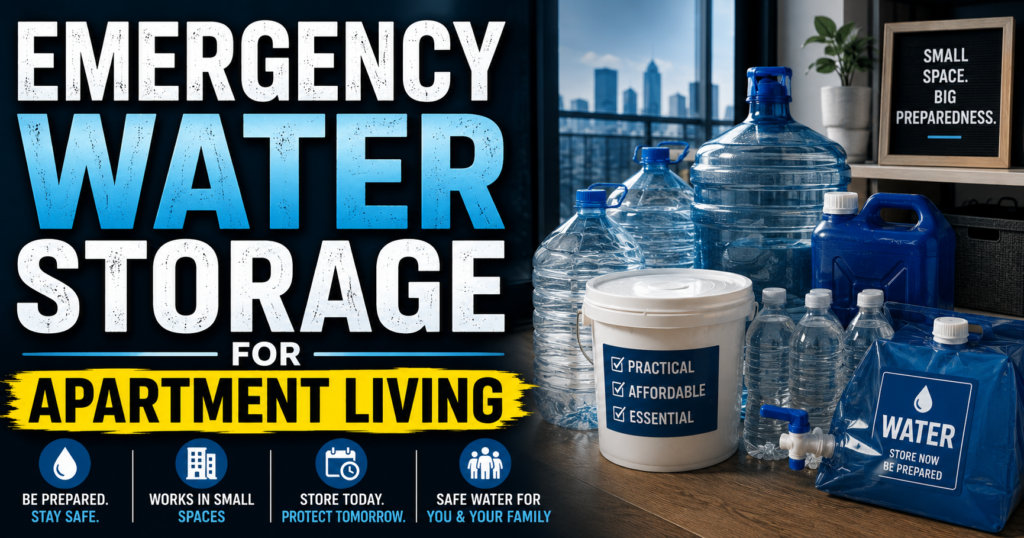
One of the biggest excuses people make for not storing emergency water is simple.
“I live in an apartment.”
No basement.
No garage.
No storage room.
No extra space.
At first glance, that sounds reasonable. Water is heavy, bulky, and takes up valuable room that most apartment dwellers simply don’t have.
But here’s the reality.
Apartment residents often face the exact same emergencies as homeowners.
Water main breaks.
Severe storms.
Winter weather.
Boil water advisories.
Extended power outages.
Natural disasters.
The difference is that apartment residents usually have fewer options once store shelves start emptying.
That’s why having a realistic water storage plan is one of the smartest preparedness steps you can take.
Why Apartment Residents Need Emergency Water
Many people assume apartment management will somehow solve every problem during an emergency.
Unfortunately, that’s not always the case.
If city water service is interrupted, everyone in the building is affected.
When hundreds of residents suddenly realize they need water, local stores can sell out fast.
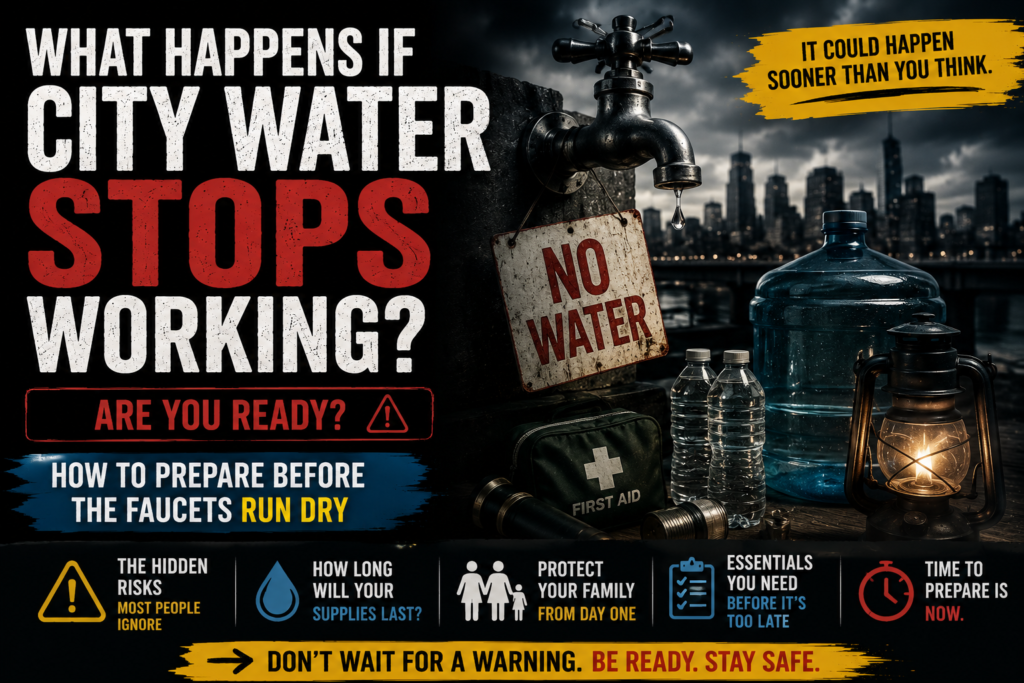
Our guide on what happens if city water stops working explains why even a short outage can quickly become a major inconvenience.
Water isn’t only needed for drinking.
You’ll also use it for:
- Cooking
- Taking medications
- Washing hands
- Basic hygiene
- Pets
- Emergency sanitation
The more people in your household, the faster your supply disappears.

How Much Water Should You Store?
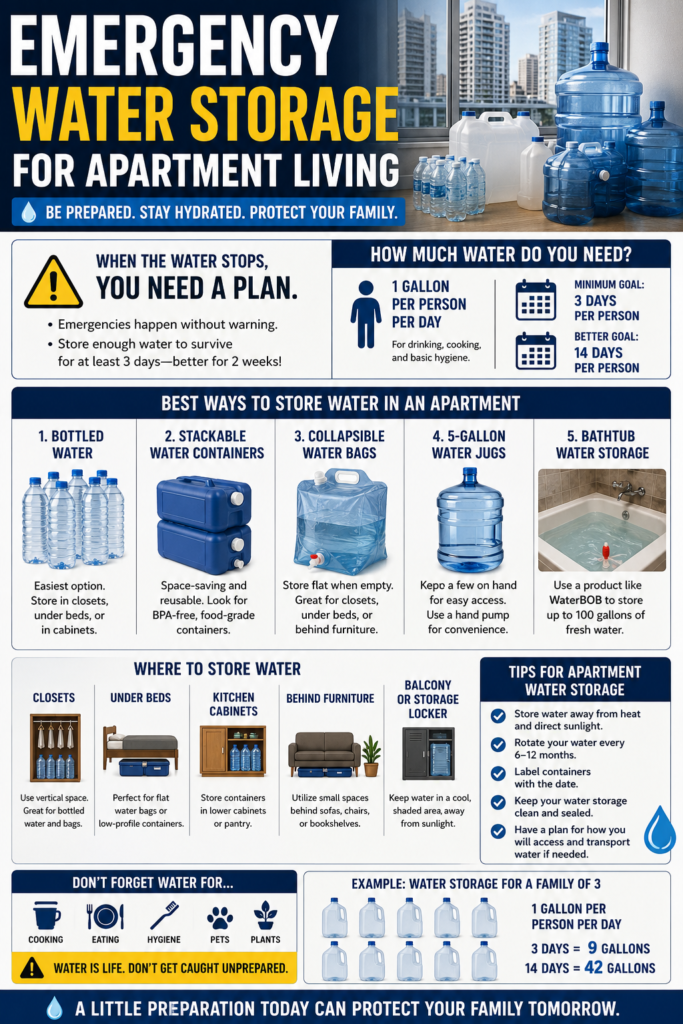
Many preparedness experts recommend storing at least one gallon per person per day.
That’s considered a minimum.
Most families discover they use more water than they expected during a real emergency.
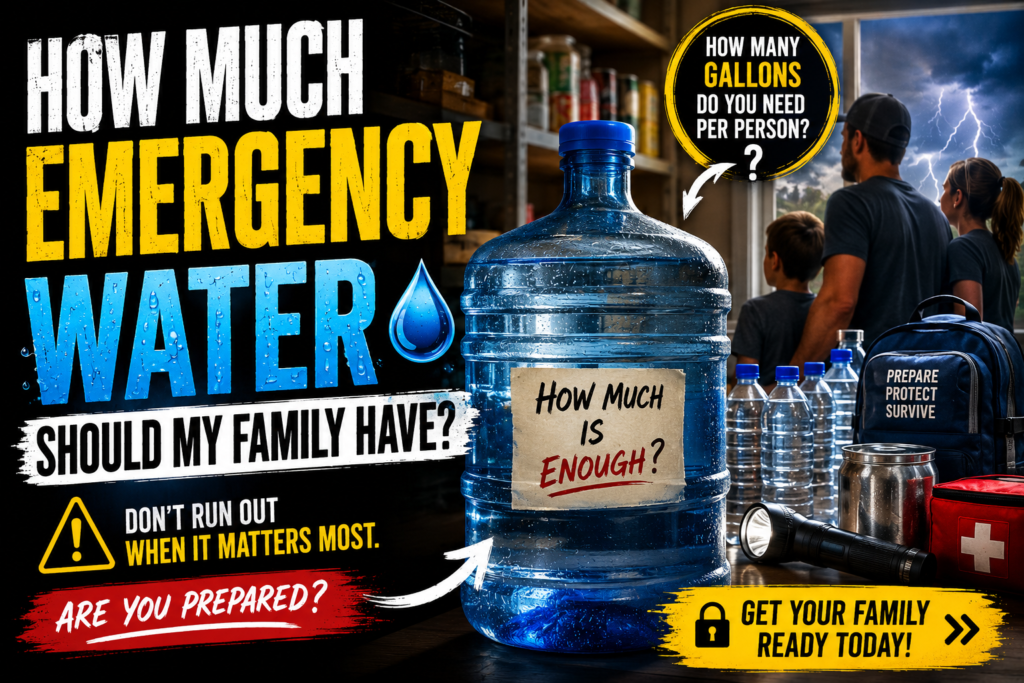
If you’re not sure how much your household should have available, read how much emergency water a family should store before buying supplies.
The goal isn’t perfection.
The goal is having more water than you had yesterday.


Start With Bottled Water
For most apartment residents, bottled water is the easiest starting point.
It’s affordable.
Easy to rotate.
Simple to store.
And immediately usable.
A few cases tucked into closets, under beds, or behind furniture can provide a surprisingly good foundation.
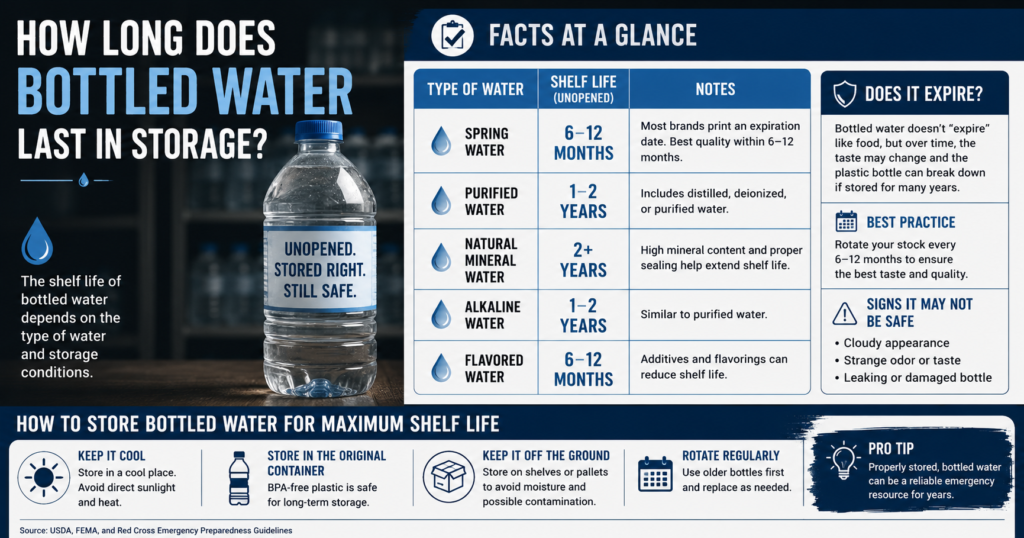
If you’re wondering how long those bottles will remain usable, check out how long bottled water lasts in storage.
The Space Under Your Bed Is Valuable Real Estate
Most apartment residents completely overlook the space under their beds.
This area is often:
- Dark
- Climate controlled
- Out of sight
- Easy to access
A surprising amount of bottled water can fit beneath a standard bed frame.
For many renters, this becomes their primary emergency water storage location.


Closets Usually Have More Room Than You Think
Take a close look at your closets.
Most people focus on shelves and hanging clothes while ignoring valuable floor space.
Water can often be stored:
- Along the back wall
- Beneath hanging clothes
- On closet floors
- In unused corners
Several small storage locations throughout an apartment are often easier to manage than one large location.
Furniture Can Hide Emergency Supplies
Many apartments contain unused space behind furniture.
Examples include:
- Sofas
- Dressers
- Bookshelves
- Entertainment centers
Even a few inches of unused space can accommodate several gallons of emergency water.
Small amounts stored throughout the apartment add up quickly.

One Product Apartment Residents Should Seriously Consider
One challenge apartment residents face is that there simply isn’t enough room to permanently store huge amounts of water.
That’s why a temporary solution can make a lot of sense.
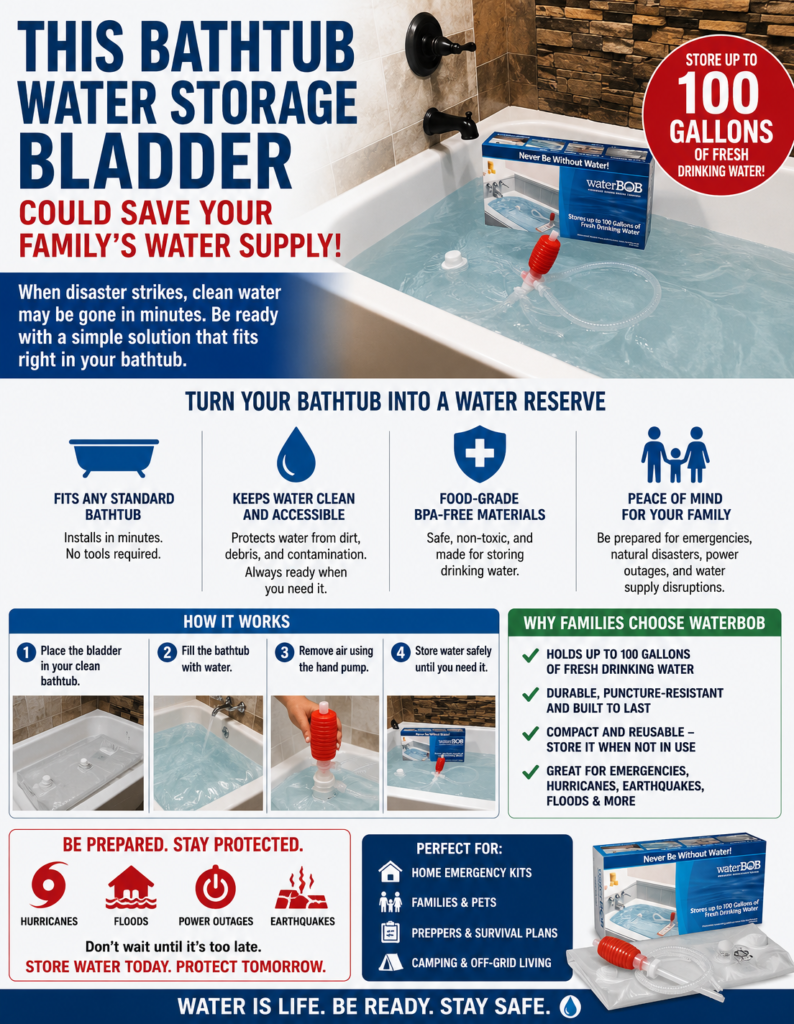
We recently reviewed this bathtub water storage bladder that could save your family’s water supply.
Instead of trying to store dozens of large containers year-round, this system allows you to use your bathtub as temporary emergency water storage when severe weather or other disasters are approaching.
Some models can hold up to 100 gallons of clean water while taking up virtually no storage space the rest of the year.
For apartment living, that’s a huge advantage.
If you’d rather see the product itself, you can also check it out here:
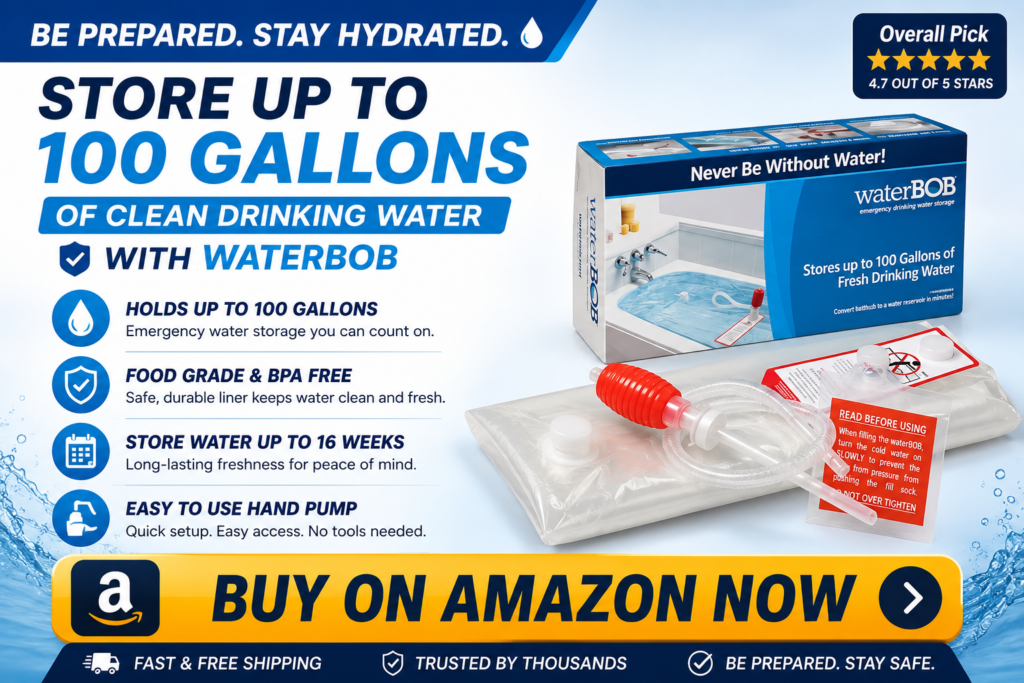
For renters and apartment residents, this may be one of the easiest ways to dramatically increase emergency water storage capacity without cluttering your home.
Don’t Make These Common Apartment Water Storage Mistakes
Many renters accidentally create problems by storing water:
- Near cleaning chemicals
- In direct sunlight
- On balconies exposed to heat
- Near paint products
- In extremely hot areas
Proper storage conditions matter.
Many of the mistakes people make are covered in water storage mistakes that could leave your family unprepared.
Every Apartment Needs a Backup Water Plan
Stored water should be your first layer of preparedness.
It shouldn’t be your only layer.
Eventually every supply runs low.
That’s why many preparedness-minded people also keep water filtration options available.
Portable filtration products take up almost no space while providing access to additional water if an emergency lasts longer than expected.
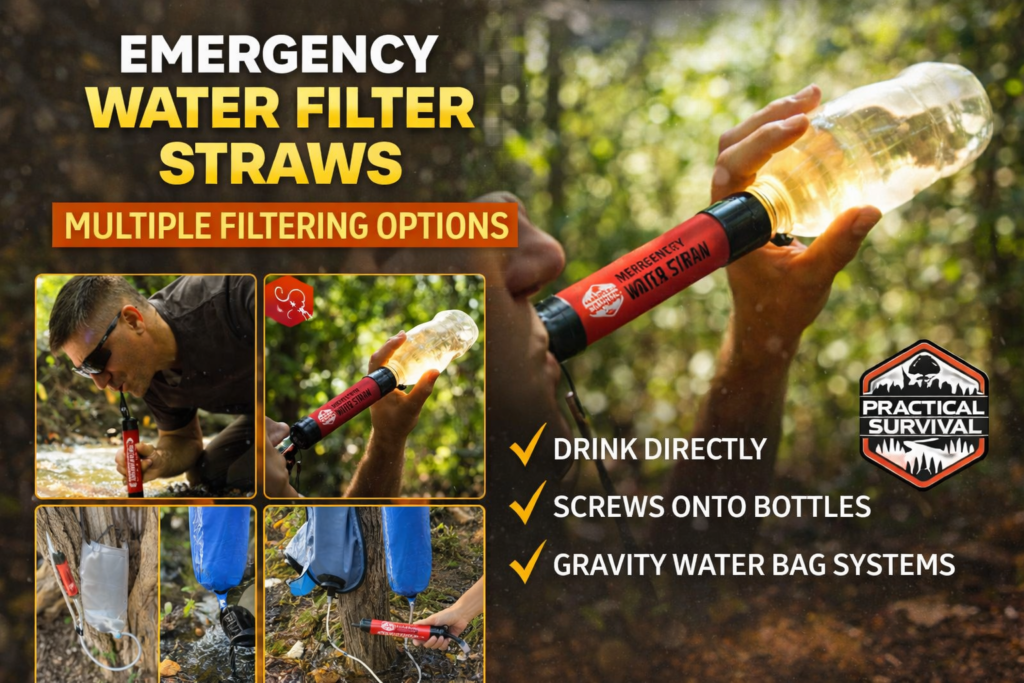
Our review of these emergency water straws that could save your life explains why they’ve become so popular among preppers, campers, and emergency planners.
Rainwater May Become an Option
Depending on your living situation, rainwater collection may also become a backup water source during an extended emergency.
However, collection methods and treatment matter.
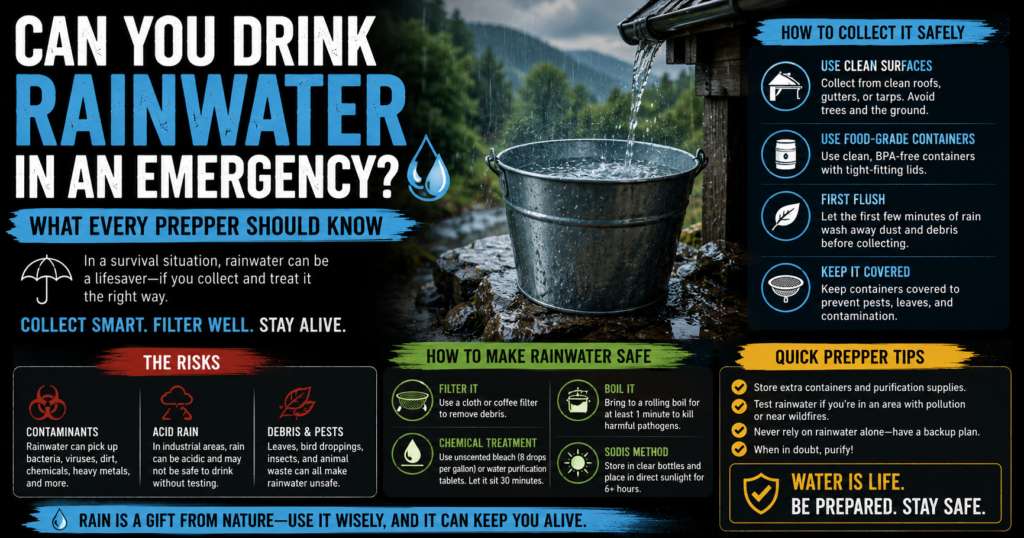
Before relying on rainwater, read Can You Drink Rainwater in an Emergency? so you understand both the benefits and risks.
Small Apartments Can Still Be Well Prepared
Many people believe preparedness requires a large house full of supplies.
That’s simply not true.
The families who handle emergencies best are usually the ones who planned ahead, not necessarily the ones with the biggest homes.
A few cases of bottled water.
Smart storage locations.
A bathtub water bladder for approaching storms.
A reliable filtration option.
Those simple steps can put an apartment resident far ahead of most households when an emergency strikes.
Building Your Water Supply One Step at a Time
You don’t need to solve everything this weekend.
Start with a few gallons.
Add more next month.
Look for unused storage space.
Create backup options.
Improve your plan gradually.
Preparedness isn’t built in a day.
But every gallon stored today is one less gallon you’ll be scrambling to find when everyone else is panic buying.
Related Water Preparedness Articles
Building a reliable emergency water plan takes more than simply storing a few bottles of water. Explore these helpful guides to strengthen your family’s preparedness:
- Emergency Water Preparedness Guide: Everything You Should Know
- How to Build a 30-Day Emergency Water Supply for Your Family
- Emergency Water Checklist: What Every Family Should Have
- How to Purify Water Without Electricity During an Emergency
- What Is the Safest Water Source During an Emergency?