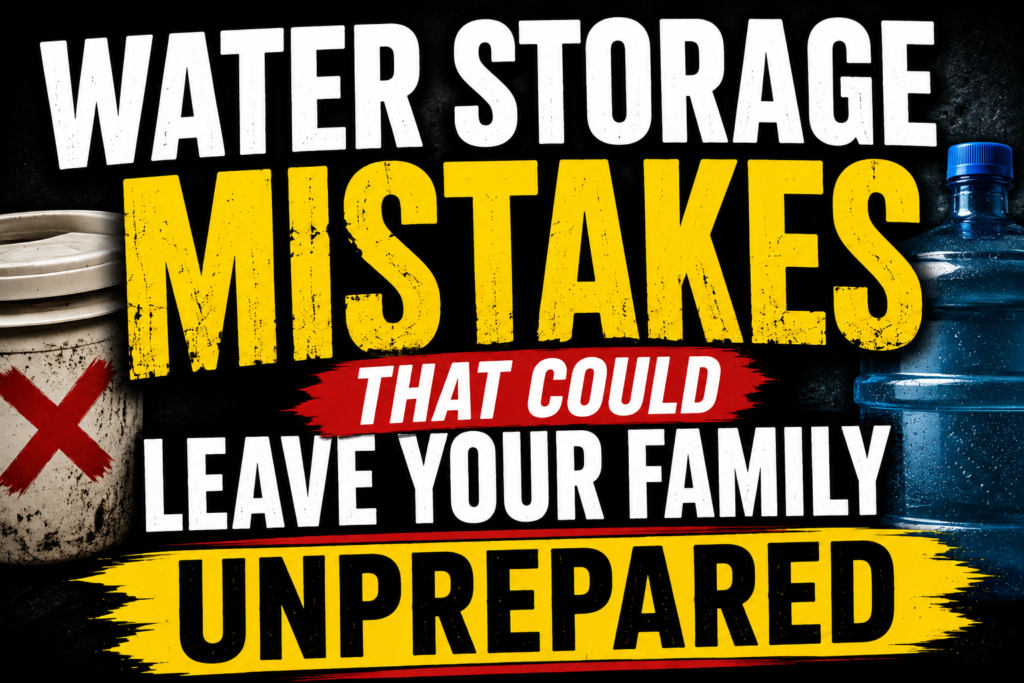
Most people know they should store water for emergencies.
The problem is that many people store it incorrectly.
A few cases of bottled water shoved into a hot garage may feel like preparedness, but simple mistakes can reduce the quality of your water supply or leave you with far less water than you thought you had when an emergency actually happens.
Whether you’re preparing for storms, power outages, water main breaks, winter weather, or long-term disasters, avoiding common water storage mistakes can dramatically improve your family’s readiness. Proper storage is only one part of water preparedness; Why Water Purification Is Critical for Survival Success explains how to make stored or collected water safer to drink.
The good news is that most of these mistakes are easy to fix.
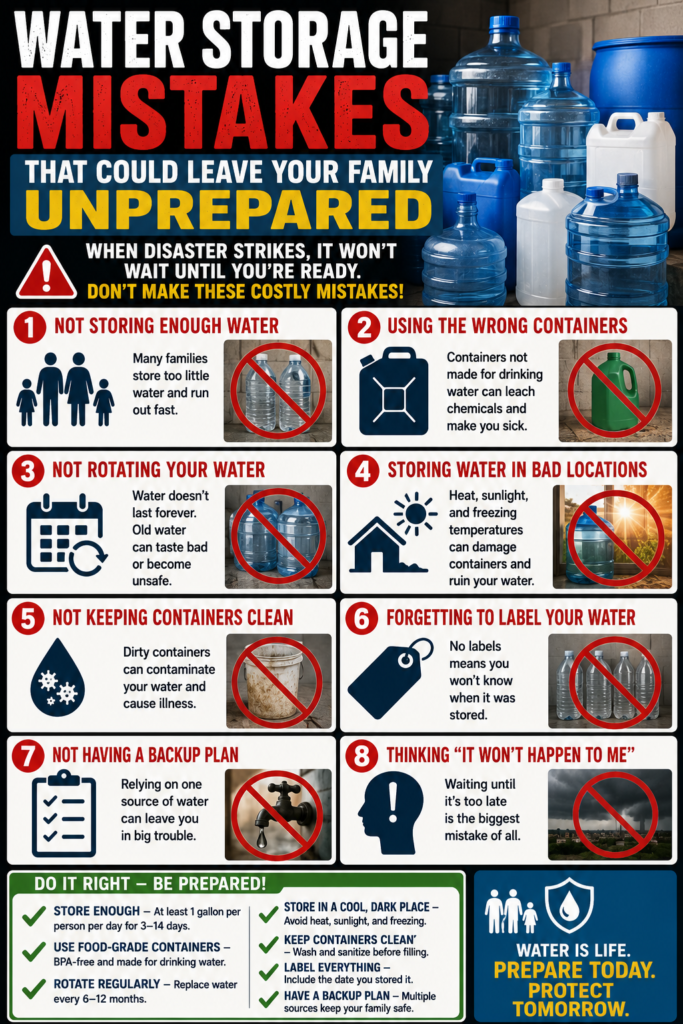
Mistake #1: Not Storing Enough Water
This is by far the most common problem.
Many families have a case or two of bottled water and assume they’re prepared.
Unfortunately, water disappears faster than most people expect.
Drinking is only part of the equation.
Water is also needed for:
- Cooking
- Medications
- Basic hygiene
- Hand washing
- Emergency sanitation
- Pets
A family of four can burn through a small water supply surprisingly quickly.
If you’re unsure how much water your household actually needs, read How Much Emergency Water Should a Family Store? for realistic planning examples.
Mistake #2: Assuming City Water Will Always Be Available
Many people have never experienced a major water outage.
That creates a false sense of security.
Water systems can fail because of:
- Storm damage
- Power outages
- Frozen pipes
- Water main breaks
- Flooding
- Infrastructure failures
Our guide on What Happens If City Water Stops Working? explains how quickly daily life changes when the tap suddenly stops working.
Mistake #3: Storing Water in the Wrong Location
Heat is one of the biggest enemies of long-term water storage.
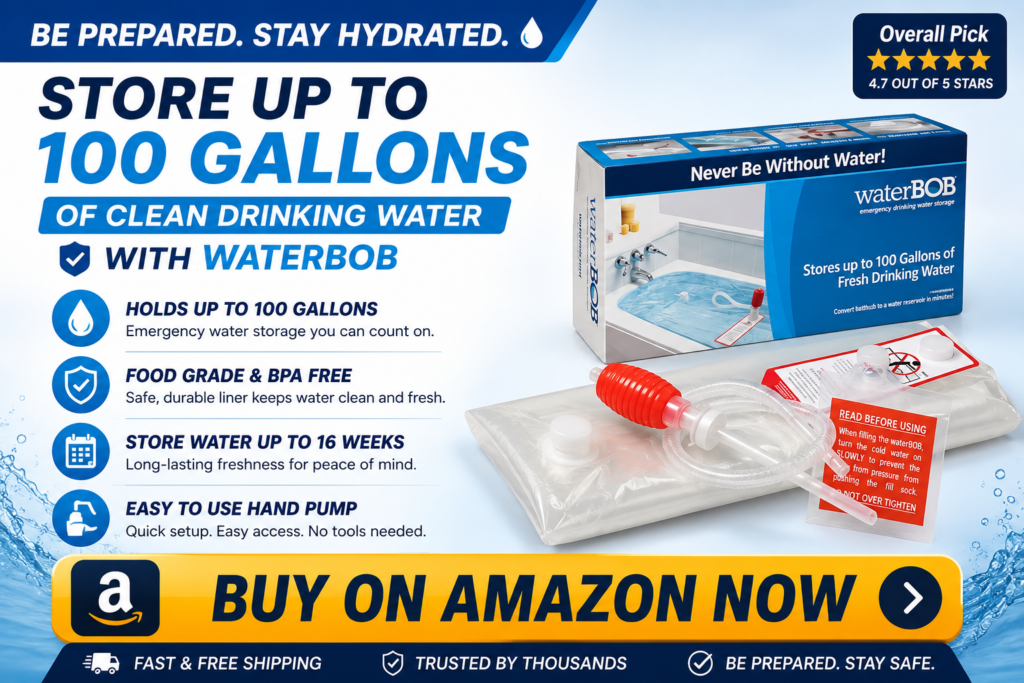
👉 Check this awesome 100 gallon emergency water storage: https://amzn.to/3RUxFPh
Many people automatically place their water supply in:
- Hot garages
- Attics
- Sheds
- Outdoor buildings
These locations often experience extreme temperatures that can reduce water quality over time.
Instead, focus on cool, dark, climate-controlled areas whenever possible.
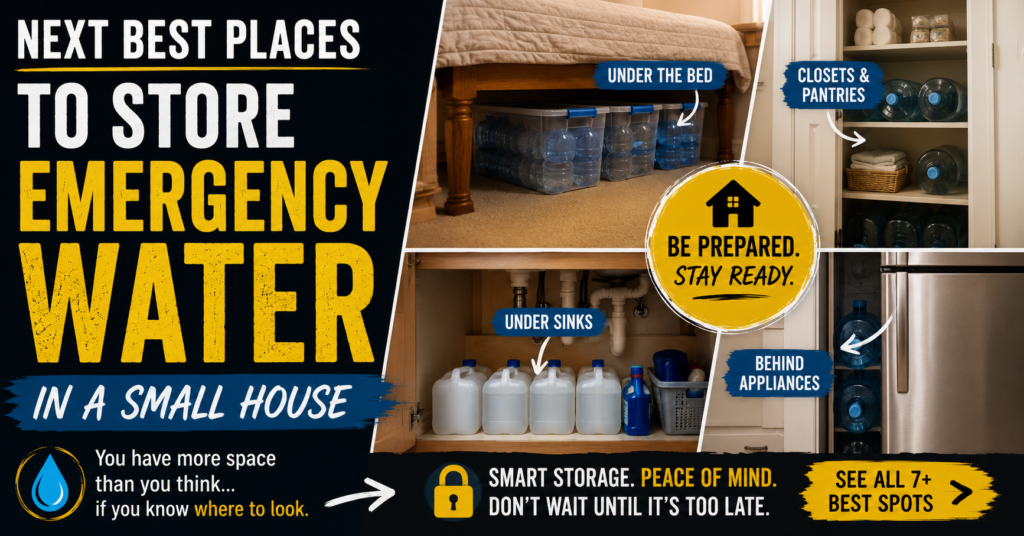
If storage space is limited, check out Best Places to Store Emergency Water in a Small House for practical ideas that work in real homes.
Mistake #4: Ignoring Expiration Dates Completely
Water itself doesn’t expire.
The containers can.
Plastic bottles eventually degrade, especially when exposed to heat and sunlight.
This doesn’t mean you need to throw away every bottle the moment it reaches its printed date.
It does mean periodic inspection and rotation are smart practices.
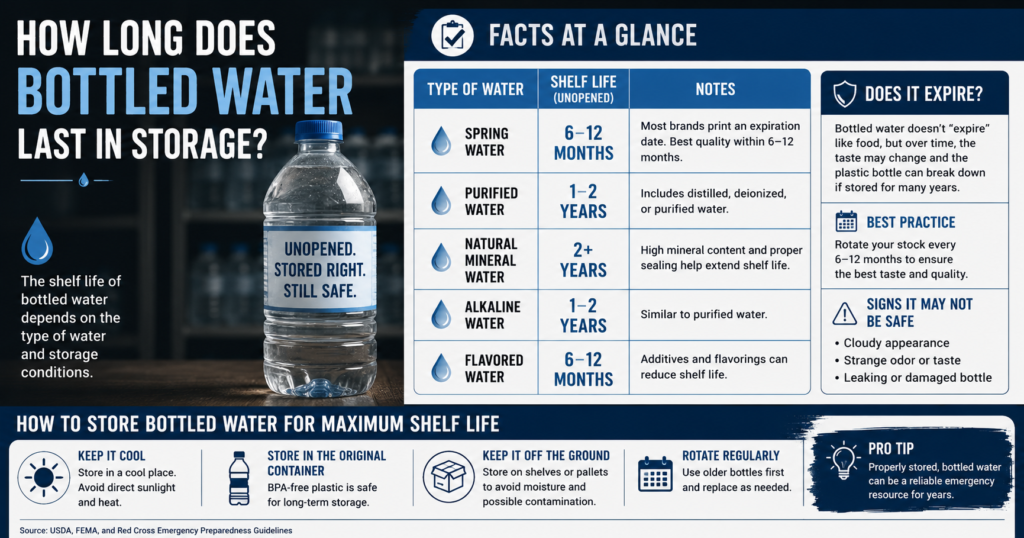
For a deeper look, read How Long Does Bottled Water Last in Storage?.
Mistake #5: Having No Backup Water Source
Every stored supply eventually runs out.
Prepared families understand this.
That’s why they build layers.
Stored water is the first layer.
Additional collection and purification methods become the second.
Rainwater collection is one option worth understanding before disaster strikes.
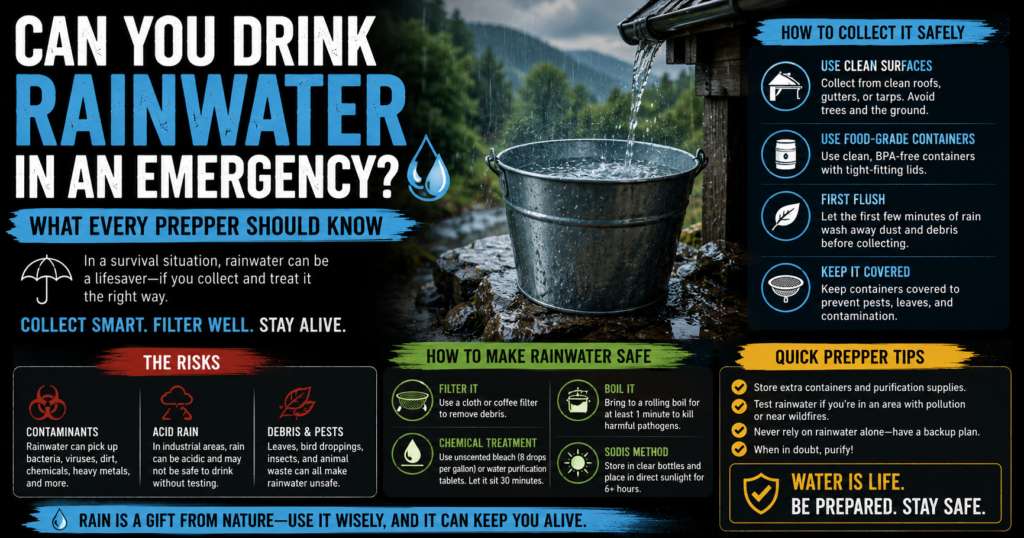
Our article Can You Drink Rainwater in an Emergency? explains both the opportunities and risks.
Mistake #6: Assuming Clear Water Is Safe Water
This mistake has caused countless illnesses.
Water can appear perfectly clean while containing harmful bacteria, parasites, and microorganisms.
Visual inspection alone isn’t enough.
That’s why understanding water safety is so important during emergencies.
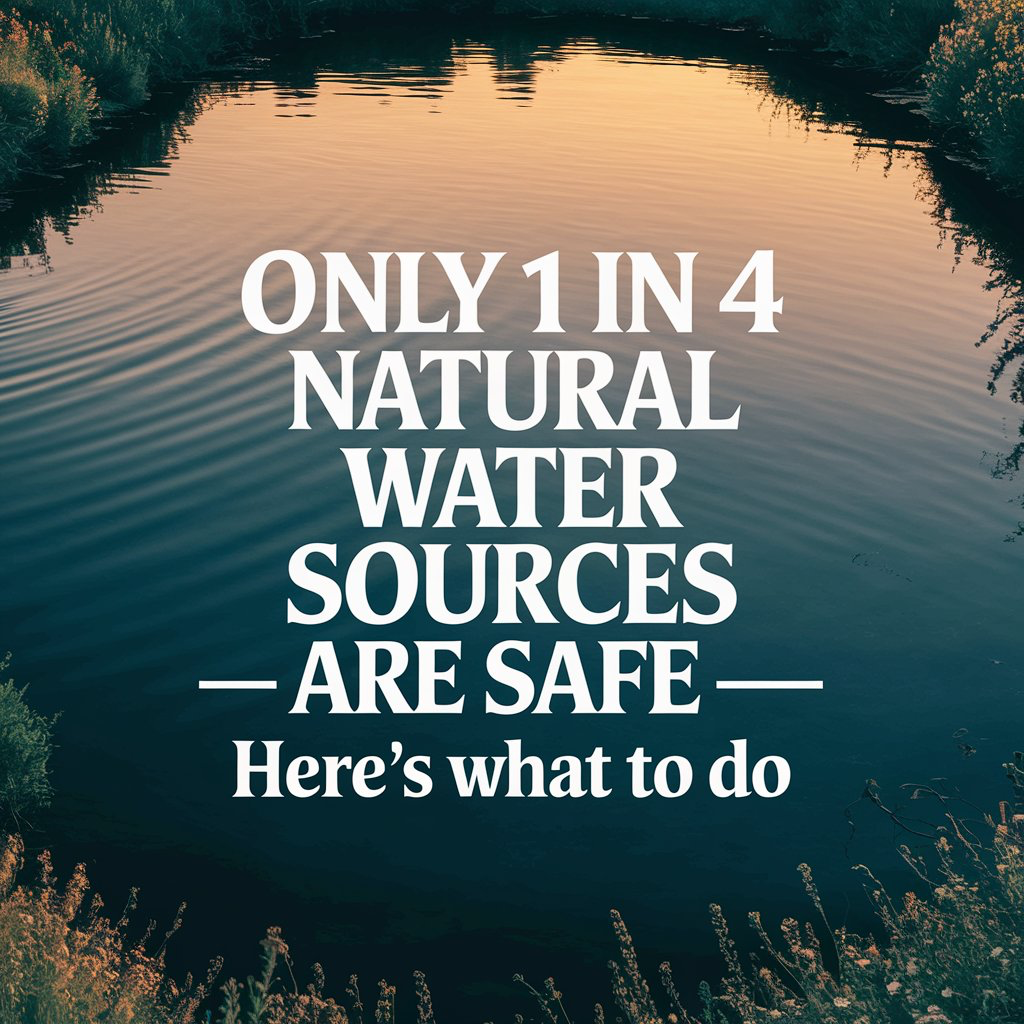
Our guide on Why Clear-Looking Water Can Still Be Dangerous covers this issue in detail.
Mistake #7: Not Owning a Water Filter
If an emergency lasts longer than expected, your stored water may eventually run low.
That’s where filtration becomes essential.
Having a reliable filtration method dramatically expands your options.
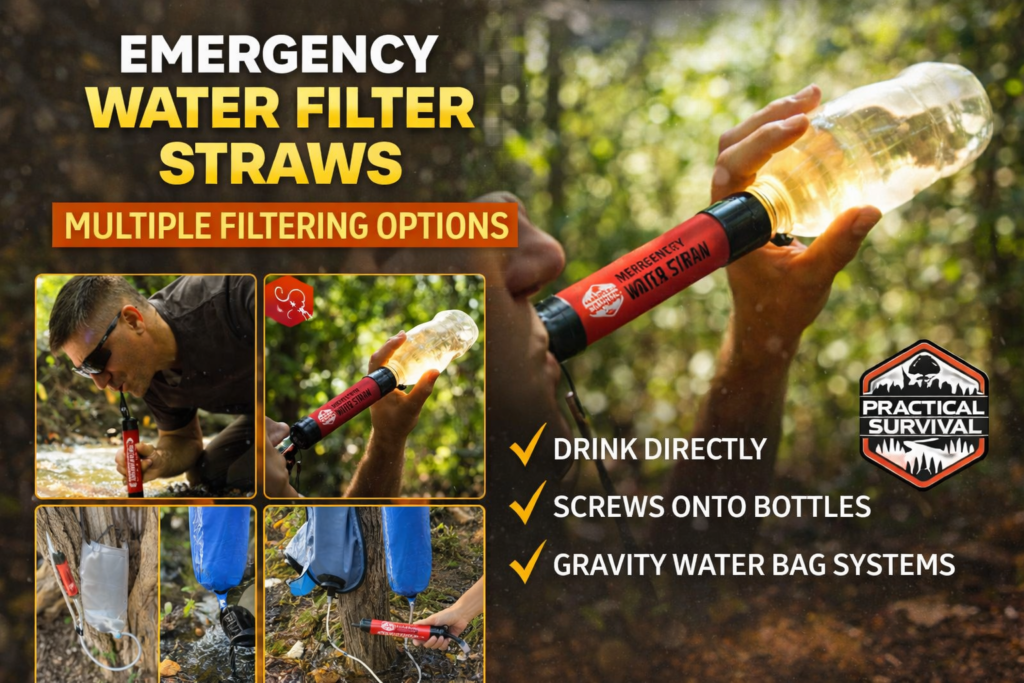
Portable solutions like the one featured in These Water Straws Could Save Your Life in a Bad Situation are inexpensive, easy to store, and capable of filtering thousands of gallons.
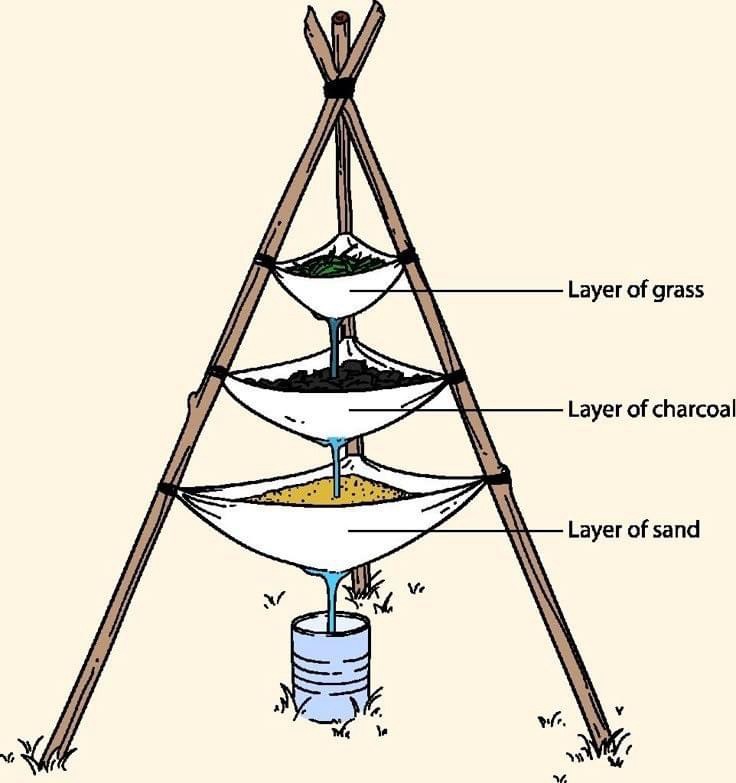
Families looking for additional treatment options should also read Best Survival Water Purification System: How to Filter Water Anywhere.
Mistake #8: Forgetting About Long-Term Emergencies
Many preparedness plans focus on three days.
Three days is a good start.
But major disasters can last longer.
A stronger strategy includes:
- Stored water
- Water filtration
- Alternative water sources
- Emergency food
- Communication plans
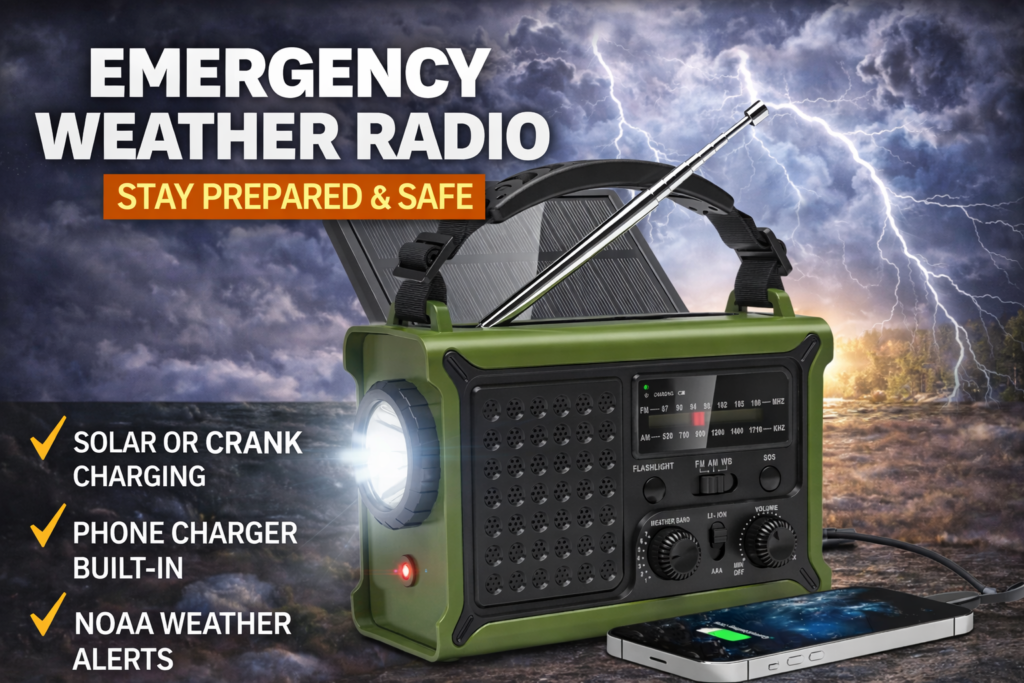
For example, if a long-term outage affects your area, staying informed becomes critical. That’s why many families keep an emergency weather radio that continues working when other systems fail as part of their preparedness setup.


Mistake #9: Waiting Until Everyone Else Is Panic Buying
This happens after nearly every major storm.
Store shelves empty.
Bottled water disappears.
Generators vanish.
Emergency supplies become difficult to find.
Preparedness works best when supplies are purchased gradually before they’re needed.
Building a Water Plan That Actually Works
The strongest water plans don’t rely on one solution.
They combine multiple layers of protection.
Stored water.
Smart storage locations.
Backup filtration.
Alternative water sources.
Emergency preparedness knowledge.
Each layer reduces risk and increases confidence.
The families who handle emergencies best usually aren’t the ones with the most gear.
They’re the ones who thought ahead and built a realistic plan before problems started.
Related Water Preparedness Articles
Building a reliable emergency water plan takes more than simply storing a few bottles of water. Explore these helpful guides to strengthen your family’s preparedness:
- Emergency Water Preparedness Guide: Everything You Should Know
- How to Build a 30-Day Emergency Water Supply for Your Family
- Emergency Water Checklist: What Every Family Should Have
- How to Purify Water Without Electricity During an Emergency
- What Is the Safest Water Source During an Emergency?