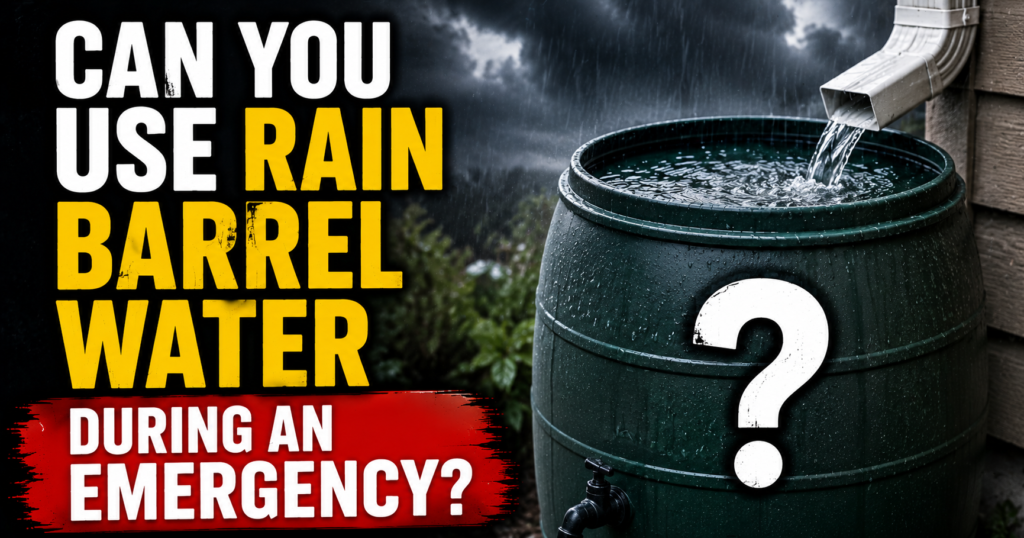
If the power goes out, city water stops flowing, or a major disaster disrupts normal life, many people suddenly start looking for alternative water sources.
One option that often gets overlooked is sitting right outside the house.
The rain barrel.
Rain barrels are commonly used for gardening and landscaping, but during an emergency, they may become a valuable backup water source.
The key is understanding what rain barrel water can safely be used for and what precautions should be taken before relying on it for drinking water.
A rain barrel can be an excellent preparedness tool, but like most emergency water sources, it works best as part of a larger water plan.
What Is Rain Barrel Water?
Rain barrel water is simply rainwater collected from rooftops and stored for future use.
Most rain barrels collect water from:
- Gutters
- Downspouts
- Roof runoff systems
During a storm, a surprisingly large amount of water can be collected in a short period of time.
Many homeowners use rain barrels for:
- Watering gardens
- Watering flowers
- Landscaping
- Outdoor cleaning
During an emergency, however, that stored water may become useful for much more.
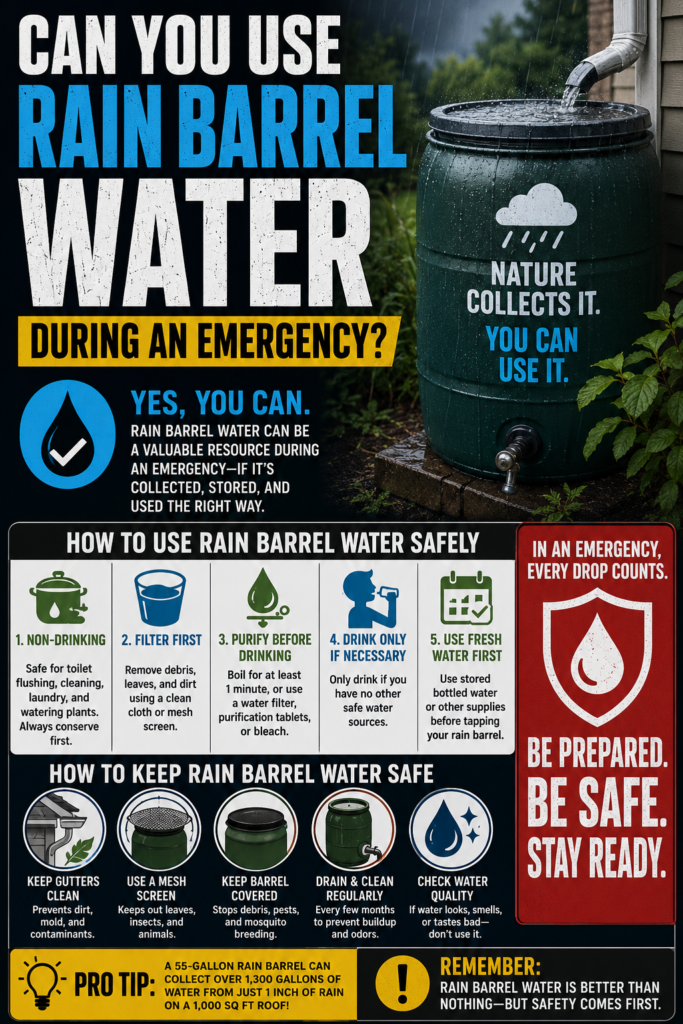
Can You Drink Rain Barrel Water?
Not directly.
At least not without understanding the risks.
Rainwater itself is often cleaner than people expect.
The problem is everything the water touches before entering the barrel.
Potential contaminants include:
- Bird droppings
- Insect debris
- Roof materials
- Dust
- Pollen
- Leaves
- Animal waste
That’s why rain barrel water should not automatically be treated as safe drinking water.
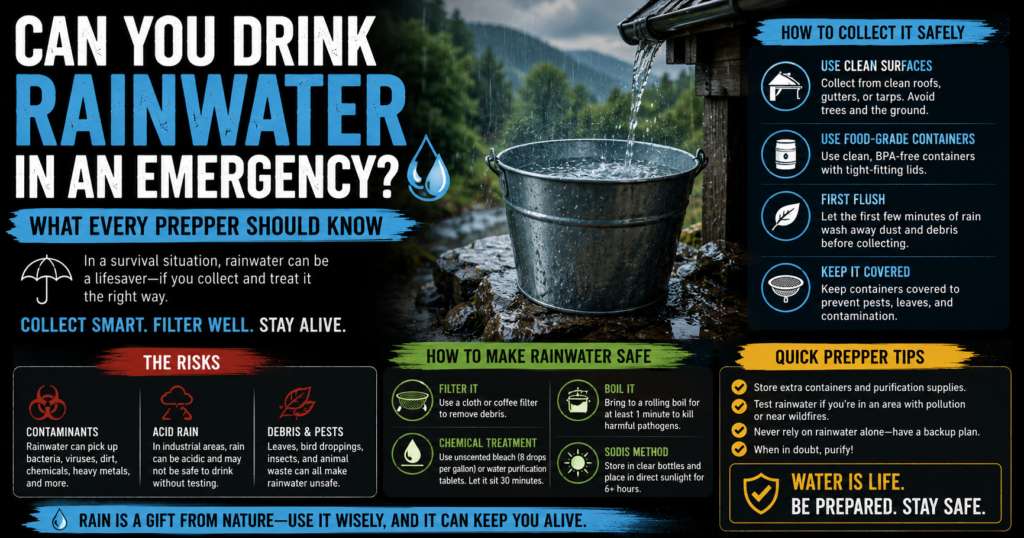
If you’d like a deeper look at emergency rainwater use, read Can You Drink Rainwater in an Emergency?.
Rain Barrel Water Can Be Extremely Valuable
Even if you never drink it, rain barrel water can still become one of your most useful emergency resources.
It may be used for:
- Flushing toilets
- Washing clothes
- Cleaning equipment
- Basic sanitation
- Watering food-producing gardens
- Conserving stored drinking water
Many families burn through their drinking water reserves faster than expected because they’re using valuable clean water for tasks that don’t actually require drinking-quality water.
Rain barrel water helps solve that problem.
Why Rain Barrels Are Popular With Preppers
Rain barrels offer something every preparedness-minded person values.
Water independence.
When your water supply depends entirely on municipal systems, you’re vulnerable to:
- Water main breaks
- Power outages
- Infrastructure failures
- Boil water advisories
- Severe weather
Rainwater collection creates another layer of preparedness.
And preparedness is all about layers.


Every Emergency Water Plan Needs Multiple Sources
One of the biggest mistakes families make is relying on a single water source.
A stronger plan might include:
- Bottled water
- Long-term water storage
- Rain barrels
- Water heaters
- Temporary emergency storage
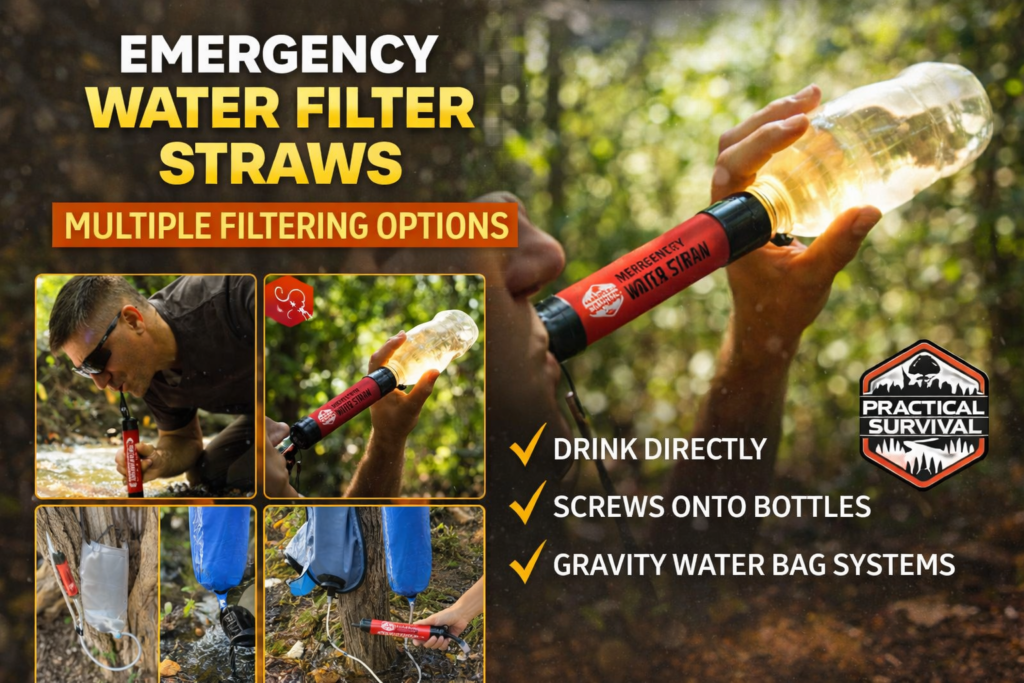
- Water filtration
The more options you have, the less likely a water emergency becomes a family emergency.
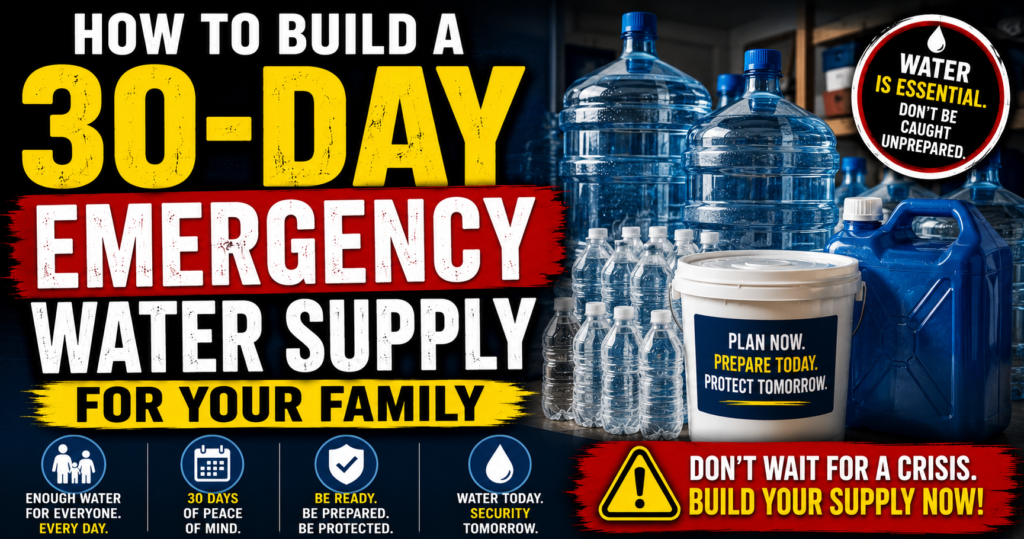
If you’re building a comprehensive plan, start with How to Build a 30-Day Emergency Water Supply for Your Family.
Rain Barrel Water and Water Filtration
This is where rain barrels become much more useful.
Collected rainwater paired with a reliable filter creates a powerful preparedness combination.
Instead of viewing the rain barrel as drinking water, think of it as stored raw water that can potentially be treated when needed.
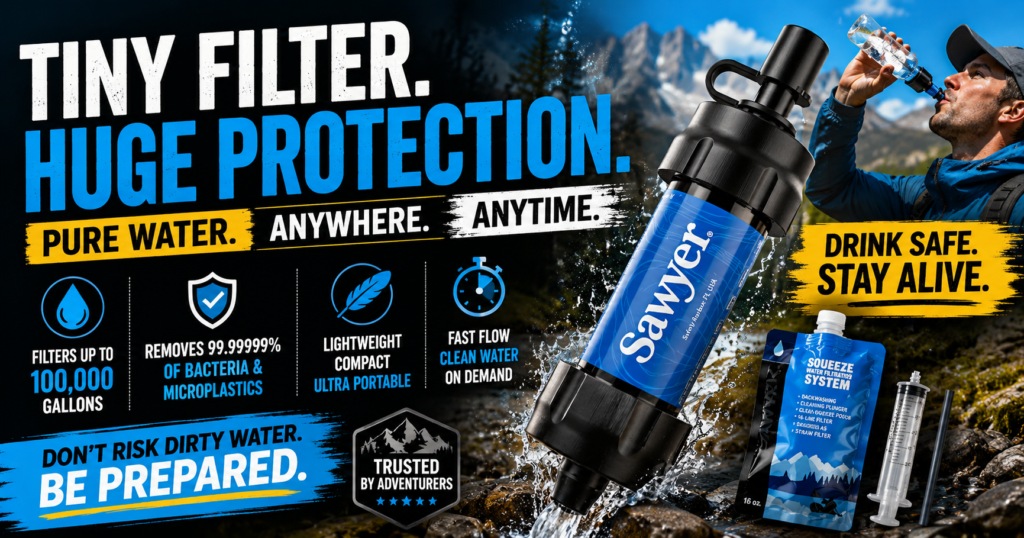
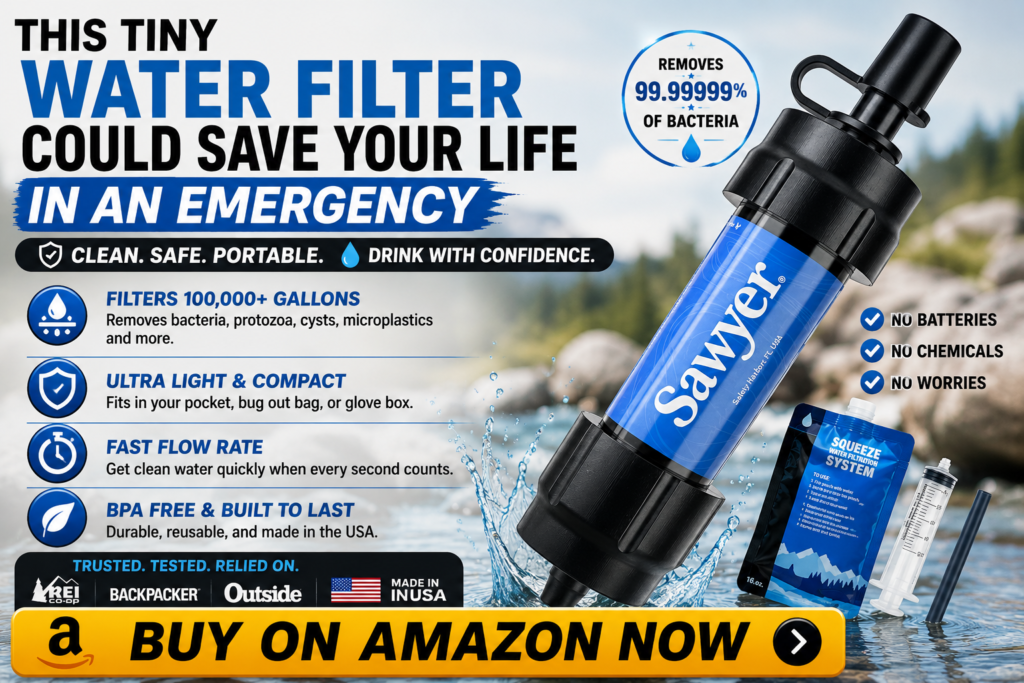
One of our favorite preparedness tools is This Tiny Water Filter Could Save Your Life in an Emergency.
The Sawyer Mini has become one of the most trusted portable water filters among preppers because it is:
- Compact
- Lightweight
- Affordable
- Easy to store
- Capable of filtering a tremendous amount of water
You can check current pricing here:
For many families, a rain barrel combined with a portable filter creates a strong backup water solution.
Rain Barrels Are Especially Useful During Water Restrictions
Many emergencies don’t completely eliminate access to water.
Instead, they limit it.
Boil water advisories.
Water restrictions.
Infrastructure repairs.
Temporary outages.
During these situations, rain barrel water may help reduce strain on your stored drinking water supplies.
Every gallon you don’t use for sanitation is a gallon that remains available for drinking.
How Much Water Can a Rain Barrel Collect?
Most people underestimate the amount.
A moderate rain event can fill a barrel surprisingly quickly.
Multiple barrels can dramatically increase collection capacity.
The exact amount depends on:
- Roof size
- Rainfall
- Collection setup
- Barrel capacity
For preparedness-minded homeowners, rainwater collection can become a valuable long-term resource.
Rain Barrels Are Not a Replacement for Stored Water
This is important.
Rain barrels are a backup.
Not a primary plan.
Stored water should always come first.
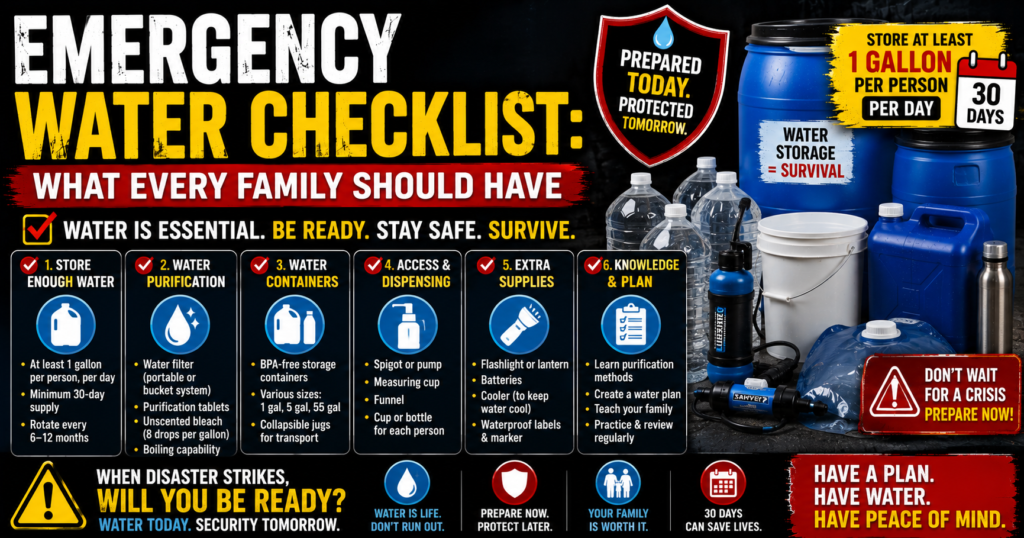
If you’re still building your supply, our Emergency Water Checklist: What Every Family Should Have provides a great starting point.
The safest water is usually the water you’ve already stored.
Temporary Water Storage Still Matters
One challenge with rainwater is that you can’t control when it rains.
That’s why many preparedness experts combine rainwater collection with emergency storage solutions.
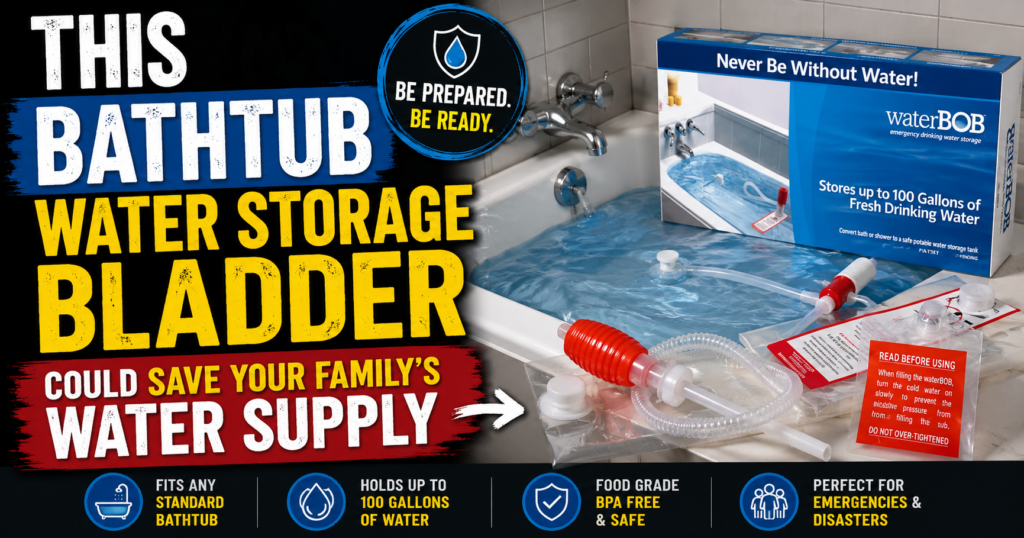
For example, we recently reviewed This Bathtub Water Storage Bladder Could Save Your Family’s Water Supply.
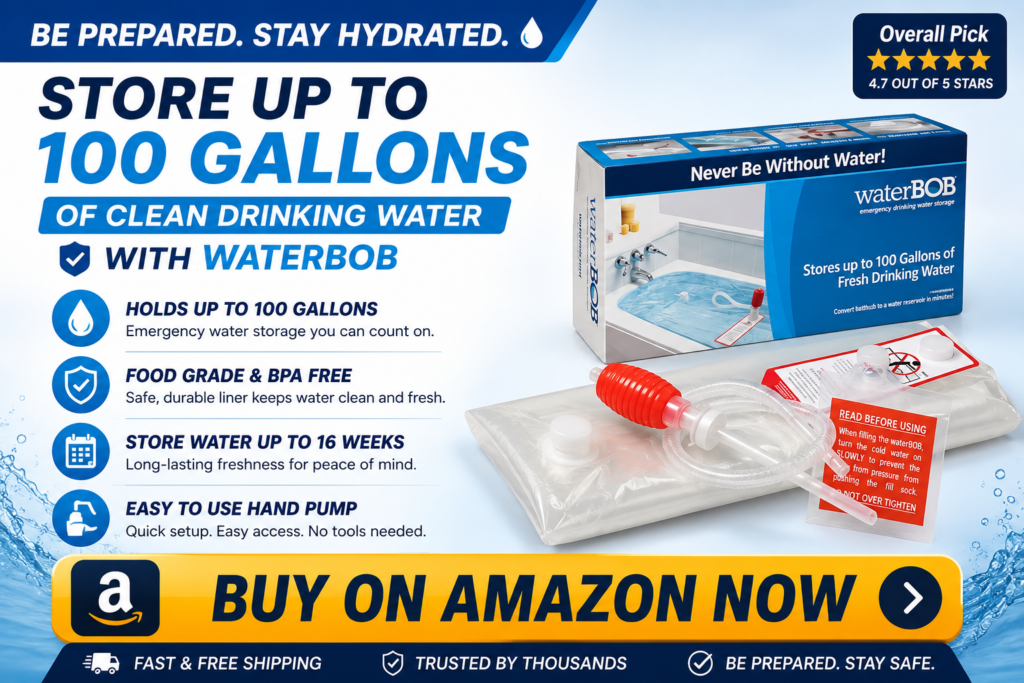
When severe weather is approaching, it allows families to store up to 100 gallons of clean tap water before the emergency begins.
You can see the bathtub storage system here:
Combining stored water, rainwater collection, and filtration creates a much stronger preparedness strategy than relying on any single solution.

Rainwater Collection Is About Preparedness, Not Panic
People often think preparedness means expecting the worst.
In reality, preparedness is simply creating options.
Rain barrels provide another option.
Stored water provides another option.
Filtration provides another option.
The more options you have available, the less stressful emergencies become.
Why More Families Are Looking at Rainwater Collection
Water security has become a growing concern for many households.
Storms seem stronger.
Infrastructure continues aging.
Natural disasters continue affecting communities across the country.
Rainwater collection isn’t about fear.
It’s about self-reliance.
A simple rain barrel won’t solve every emergency water problem.
But it can become a valuable piece of a larger preparedness plan that helps protect your family when normal systems aren’t available.
Related Water Preparedness Articles
Building a reliable emergency water plan takes more than simply storing a few bottles of water. Explore these helpful guides to strengthen your family’s preparedness:
- Emergency Water Preparedness Guide: Everything You Should Know
- How to Build a 30-Day Emergency Water Supply for Your Family
- Emergency Water Checklist: What Every Family Should Have
- How to Purify Water Without Electricity During an Emergency
- What Is the Safest Water Source During an Emergency?
About the Author
Ethan Carter is an emergency preparedness researcher and survival writer focused on water storage, emergency planning, disaster readiness, and practical preparedness strategies for everyday families. He regularly writes for Survive Essentials covering water security, emergency supplies, and self-reliance topics.