Imagine finding yourself stranded in the wilderness after dark.
The temperature is dropping.
Your phone battery is dead.
You have limited supplies.
What is the very first survival skill that could completely change your situation?
Fire.
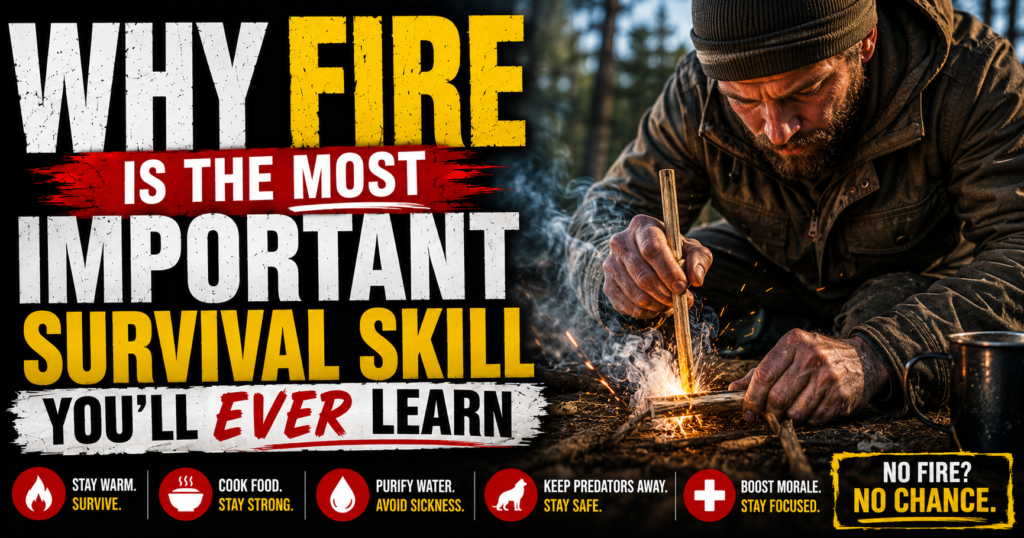
Long before modern technology existed, humans survived because they learned how to create and control fire. Thousands of years later, that skill remains just as important. In fact, if you asked experienced survival instructors to name the single most valuable wilderness survival skill, many would choose fire-making without hesitation.
A fire can provide warmth, purify water, cook food, signal rescuers, improve morale, dry wet clothing, and even protect you from certain wildlife. For practical instructions on How to Build a Campfire Like a Pro: Easy Steps for Beginners, including beginner-friendly fire structures, review this step-by-step guide.
In a true survival situation, fire is not just a convenience.
It can be a lifesaver.
Why Fire Is More Than Just Heat
Most people immediately think about warmth when they think about fire.
While warmth is certainly important, fire does much more than that.
A properly maintained fire can solve several survival problems at once.
It can help prevent hypothermia during cold nights.
It can provide light after sunset.
It can make questionable water safer to drink.
It can cook food and improve digestion.
It can boost morale during stressful situations.
Few survival tools offer as many benefits as a simple fire. Readers ready to practice this essential skill can begin with The BEST Survival Skill You Can Learn This Weekend.
This is one reason fire-making remains one of the core skills taught in wilderness survival courses around the world.

Fire Can Keep Hypothermia Away
Many people assume hypothermia only occurs during winter.
That is not true.
Hypothermia can occur anytime your body loses heat faster than it can produce it.
Rain, wind, wet clothing, and cool temperatures can all contribute to dangerous heat loss.
Even temperatures above freezing can become dangerous under the right conditions.
A fire provides a reliable heat source that can help maintain body temperature and reduce the risk of cold-related emergencies.
Our guide on How to Stay Warm in a Tent Without Freezing All Night covers additional strategies for staying safe in cold conditions.
Fire Makes Water Safer to Drink
Water is your most important survival resource.
However, finding water and safely drinking it are two different challenges.
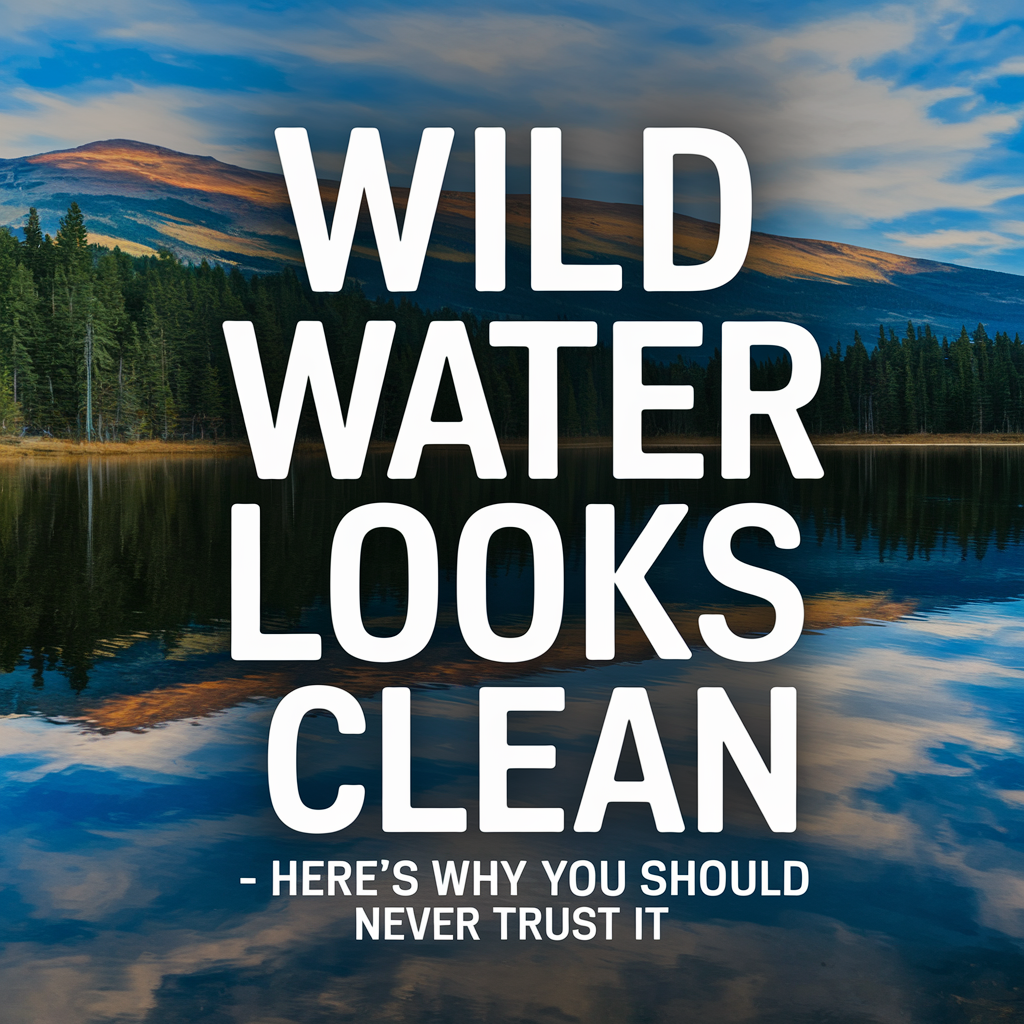
Streams, ponds, rivers, and even clear-looking mountain water can contain harmful bacteria, parasites, and other contaminants.
One of the oldest and most effective purification methods is boiling.
Fire allows you to heat water to temperatures that destroy many dangerous microorganisms.
Without fire, your water treatment options become much more limited.
This is why water and fire are often discussed together in survival training.
Our article on How Long Can You Survive Without Water? The Truth Might Shock You explains why access to safe drinking water is so critical.
Fire Makes Food More Useful
Humans have been cooking with fire for thousands of years.
Cooking food provides several advantages.
It can:
- Improve flavor
- Increase digestibility
- Destroy certain pathogens
- Make tough foods easier to eat
- Improve nutrient absorption in some foods
During an emergency, the ability to cook can greatly expand your available food options.
Many survival foods become far more enjoyable and practical when heated.
Fire Provides Light When Darkness Falls
Darkness changes everything.
Navigation becomes harder.
Tasks take longer.
Hazards become more difficult to see.
A fire creates a natural light source that can dramatically improve nighttime safety.
Whether you’re camping, dealing with a power outage, or facing a survival emergency, light helps reduce risk and improve awareness.
Fire Can Improve Morale
This benefit is often overlooked.

Survival is not just physical.
It is also mental.
Stress, fear, loneliness, and uncertainty can all impact decision-making.
There is something remarkably comforting about sitting near a fire.
The warmth, light, and familiarity can help reduce anxiety and improve morale during difficult situations.
A positive mindset often plays a major role in survival outcomes.
Fire Can Help Signal Rescuers
If you’re lost or stranded, attracting attention may become a priority.
Fire can create visible smoke during the day and visible flames at night.
Both can help rescuers locate your position.
Signal fires have been used for centuries because they can often be seen from great distances.
In some situations, a properly placed signal fire may dramatically increase your chances of being found.
Every Survivalist Should Practice Fire Building
One of the biggest mistakes people make is assuming they can build a fire because they have watched someone else do it.
Fire building is a skill.
Like any skill, it improves with practice.
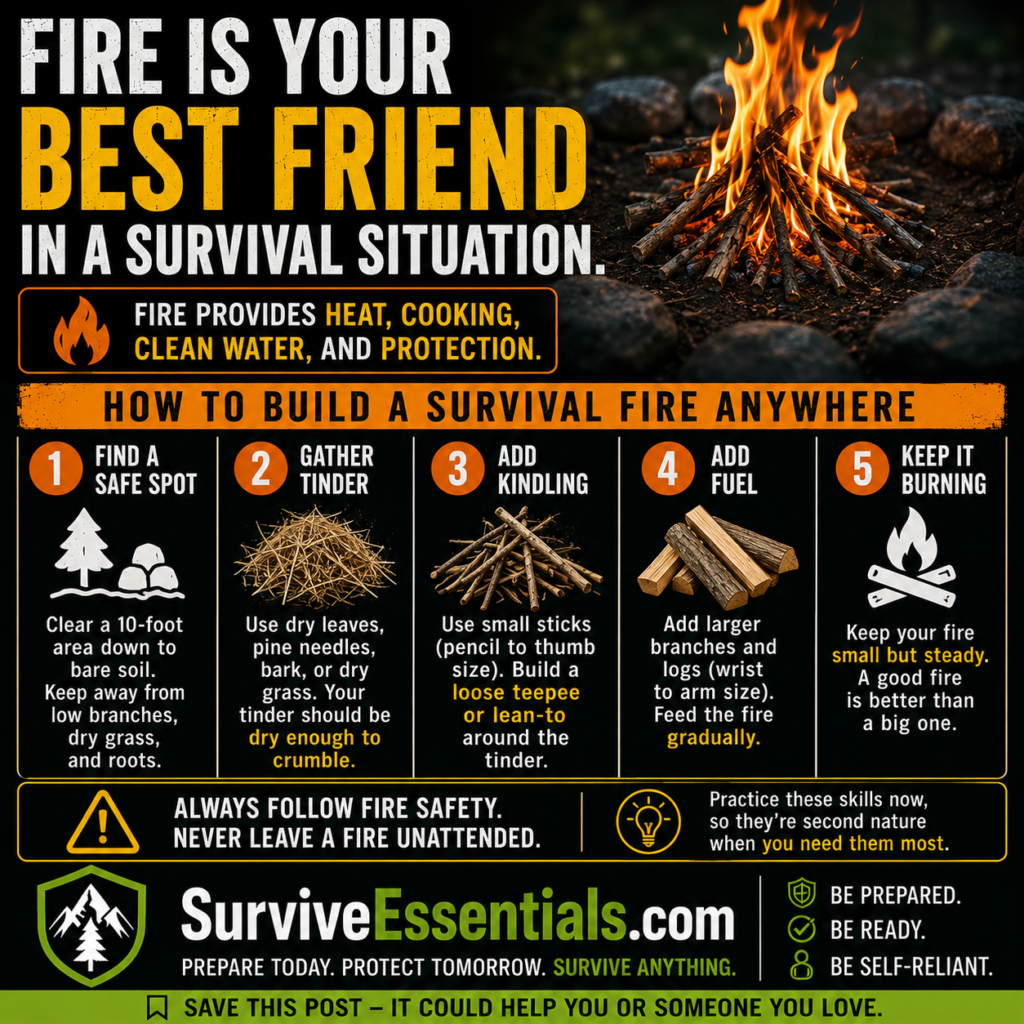
You should become comfortable gathering:
Tinder
Tinder catches fire easily and helps ignite larger materials.
Examples include:
- Dry grass
- Pine needles
- Bark shavings
- Cotton fibers
- Dry leaves
Kindling
Kindling bridges the gap between tinder and larger fuel.
Examples include:
- Small twigs
- Pencil-sized sticks
- Thin branches
Fuel Wood
Fuel wood keeps the fire burning long term.
Examples include:
- Larger branches
- Split wood
- Small logs
Learning how these materials work together makes fire-building far easier when conditions become challenging.

Weather Makes Fire Building More Difficult
Starting a fire on a calm summer evening is one thing.
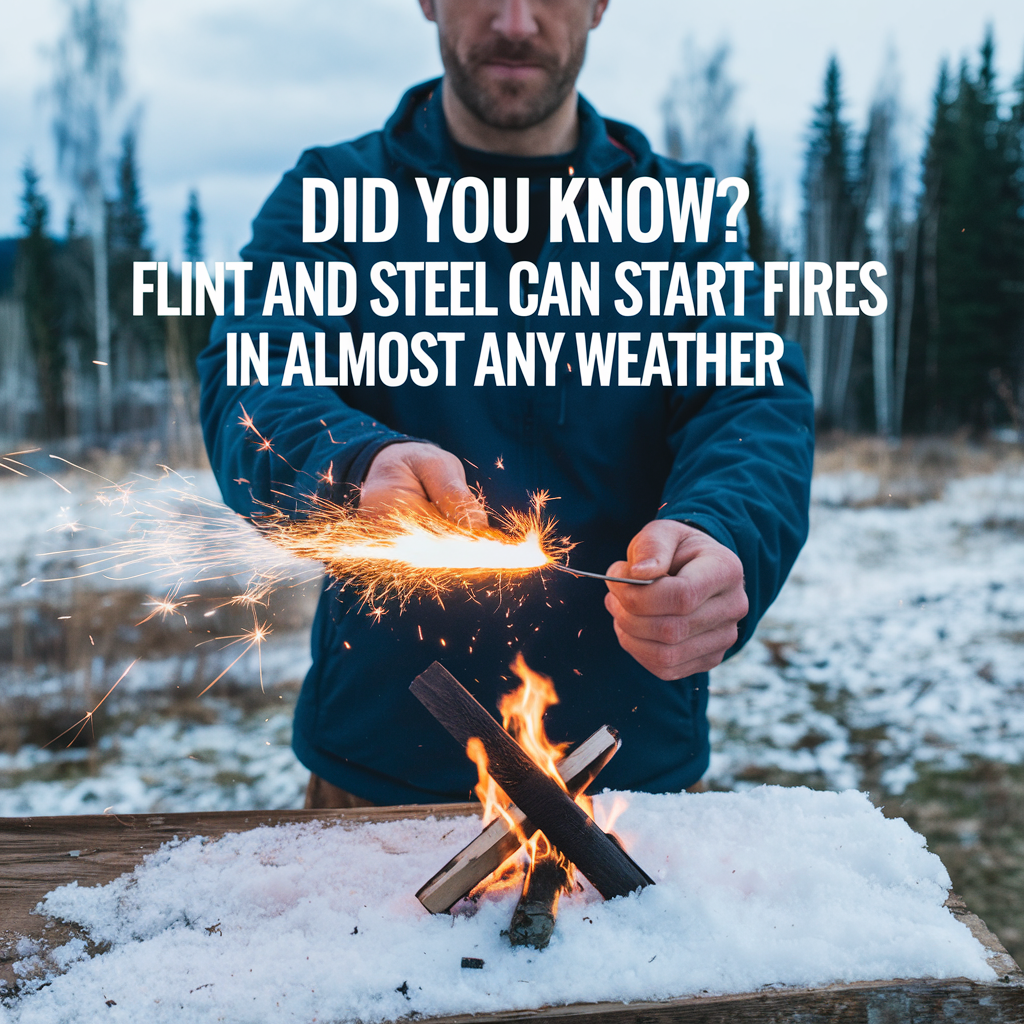
Starting a fire during rain, wind, or cold weather is completely different.
This is why preparedness experts recommend practicing under various conditions.
The first time you attempt a survival fire should not be during an emergency.
The more experience you gain beforehand, the more effective you will be when conditions are less than ideal.
Always Carry Multiple Fire Starters
Prepared people avoid relying on a single ignition source.
A good survival kit may include:
- Lighters
- Waterproof matches
- Ferro rods
- Fire starter cubes
- Tinder materials
Redundancy matters.
If one method fails, another remains available.
Our article The 2 Fire Starter That Might Save Your Life discusses reliable fire-starting tools that deserve a place in every emergency kit.
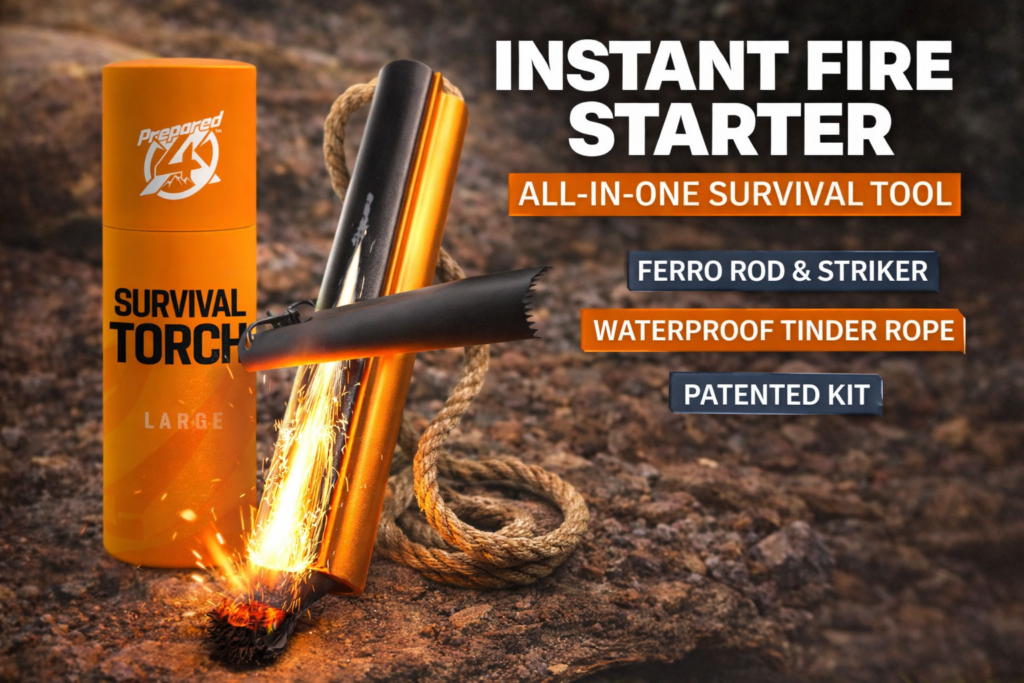
You may also enjoy If You Can’t Start a Fire, You’re in Trouble. This Fixes That. for additional fire-starting tips and equipment recommendations.
Fire Safety Always Comes First
Fire is an incredible survival tool, but it must be used responsibly.
Always:
- Clear combustible debris from the area
- Keep fires contained
- Monitor wind conditions
- Have a method to extinguish the fire
- Never leave a fire unattended
A survival fire should solve problems, not create new ones.
Wildfires can spread quickly and cause devastating damage.
Responsible fire management is an essential part of outdoor safety.
Why Fire Remains a Core Survival Skill
Technology changes.
Equipment changes.
Survival fundamentals do not.
Fire remains one of the few skills that can simultaneously provide warmth, clean water, cooked food, light, protection, signaling capability, and psychological comfort.
Few survival skills offer such a wide range of benefits.
Whether you’re a camper, hunter, prepper, hiker, homesteader, or simply someone who enjoys the outdoors, learning how to build and maintain a fire is one of the most valuable investments you can make.
Because when conditions become difficult, a small fire can make a very big difference.