Yes, I can run a refrigerator from a portable generator during a power outage, and keeping cold food from spoiling is one of the first jobs I’d give my generator.
But I don’t just plug the refrigerator into any generator and assume everything is fine.
I want to know how many watts the refrigerator actually needs, whether the generator can handle the compressor starting, how I’m getting power safely from the generator to the refrigerator, and whether running the generator constantly even makes sense.
That’s where this gets more useful than simply saying, “Yes, a generator can run a fridge.”
Here’s how I actually think through it.
First, I Check the Refrigerator’s Power Requirements
I don’t guess based on refrigerator size.
I look for the appliance label, owner’s manual, or manufacturer information.
What I’m trying to find is the refrigerator’s electrical demand.
A refrigerator doesn’t necessarily pull its maximum amount of electricity continuously. The compressor cycles on and off as needed.
The tricky part is startup.
When that compressor starts, it can briefly require considerably more power than it uses while already running.
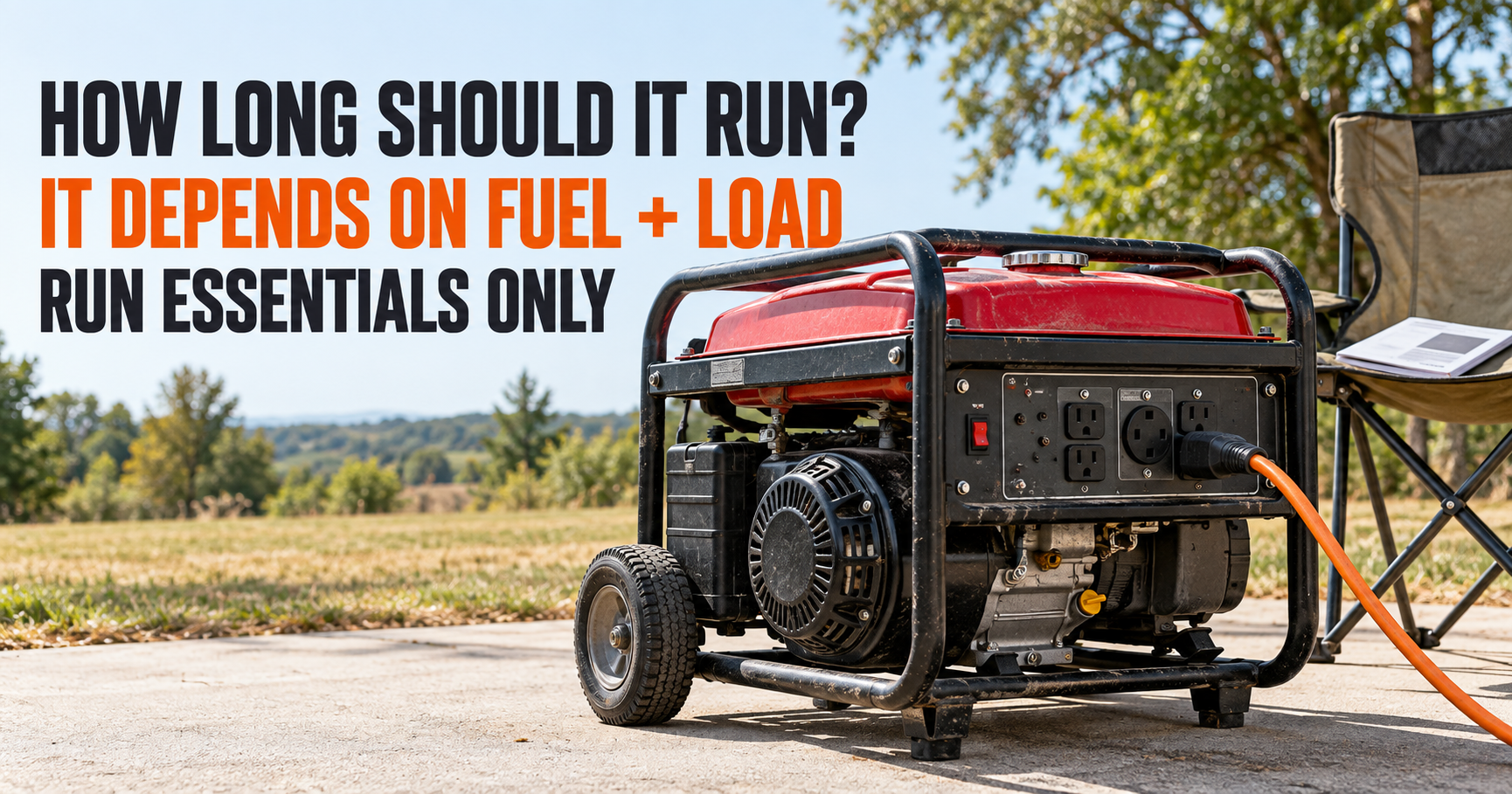
That’s why I care about both running watts and starting watts when I’m choosing a generator.


Running Watts and Starting Watts Are Not the Same Thing
This is probably the most important concept to understand before connecting appliances to a generator.
Running watts are what an appliance needs while operating normally.
Starting watts are the temporary surge of power some appliances need when a motor or compressor kicks on.
Refrigerators have compressors.
Freezers have compressors.
Well pumps have motors.
Air conditioners have compressors.
That startup surge matters.
A generator that looks large enough based only on normal running watts can still struggle when several motor-driven appliances try to start.
So I always leave myself some breathing room instead of sizing everything right to the generator’s absolute limit.

I Don’t Use a Random Internet Wattage Number as My Final Answer
You’ll find refrigerator wattage charts all over the internet.
They’re useful for rough planning.
I still check my actual refrigerator.
Two refrigerators that look almost identical can have different electrical requirements.
Age matters.
Design matters.
Size matters.
Efficiency matters.
The appliance label is much more useful to me than somebody online saying, “All refrigerators use X watts.”
If I’m buying backup power specifically to run equipment I already own, I want the numbers from my equipment.
A 2,500-Watt Generator Can Often Handle Much More Than Just a Refrigerator
This is why smaller inverter generators can be interesting for home outages.
If my refrigerator only represents part of the generator’s available capacity, I may also be able to charge phones, run some lights, recharge power banks, or operate another carefully selected load.
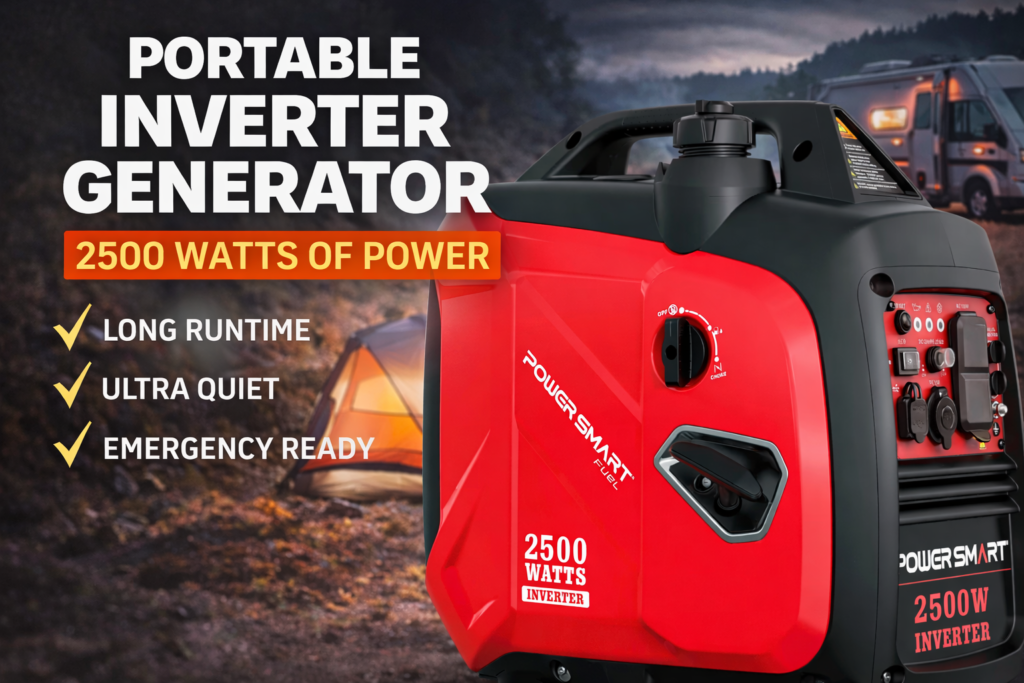
We already reviewed a 2,500-watt portable inverter generator I like for emergency backup.
For a household that isn’t trying to recreate normal grid power, something in that range can be far more practical than people assume.
The key is deciding what actually deserves electricity.
Want a Portable Generator for the Essentials?
The model we’ve featured is a PowerSmart 2500-watt portable inverter generator designed for camping, RV use, and home power outages.
Check the current price on the PowerSmart 2500-watt generator
I like this kind of generator for an outage plan where I’m prioritizing refrigeration, charging, lighting, and other important loads instead of trying to run the entire house.


I Add Up What I’m Actually Running
This is where I think people get into trouble with generators.
They buy a generator rated for a certain wattage and mentally treat every watt as permanently available for anything they want.
I don’t.
If I’m running:
- Refrigerator
- Freezer
- Lights
- Phone chargers
- Emergency radio
- Other equipment
I consider the combined load.
Then I consider what happens if the refrigerator compressor and freezer compressor happen to start around the same time.
I want headroom.
I don’t want my normal setup constantly pushing the generator to its limit.
I Prioritize the Refrigerator Before Convenience Appliances
During an outage, my electrical priorities change completely.
I’m not worried about running everything I normally use.
I’m thinking about what electricity can actually protect.
The refrigerator is protecting food.
The freezer may be protecting hundreds of dollars worth of meat and other frozen food.
A phone charger protects communication.
A well pump may protect access to water.
Those things rank above entertainment.
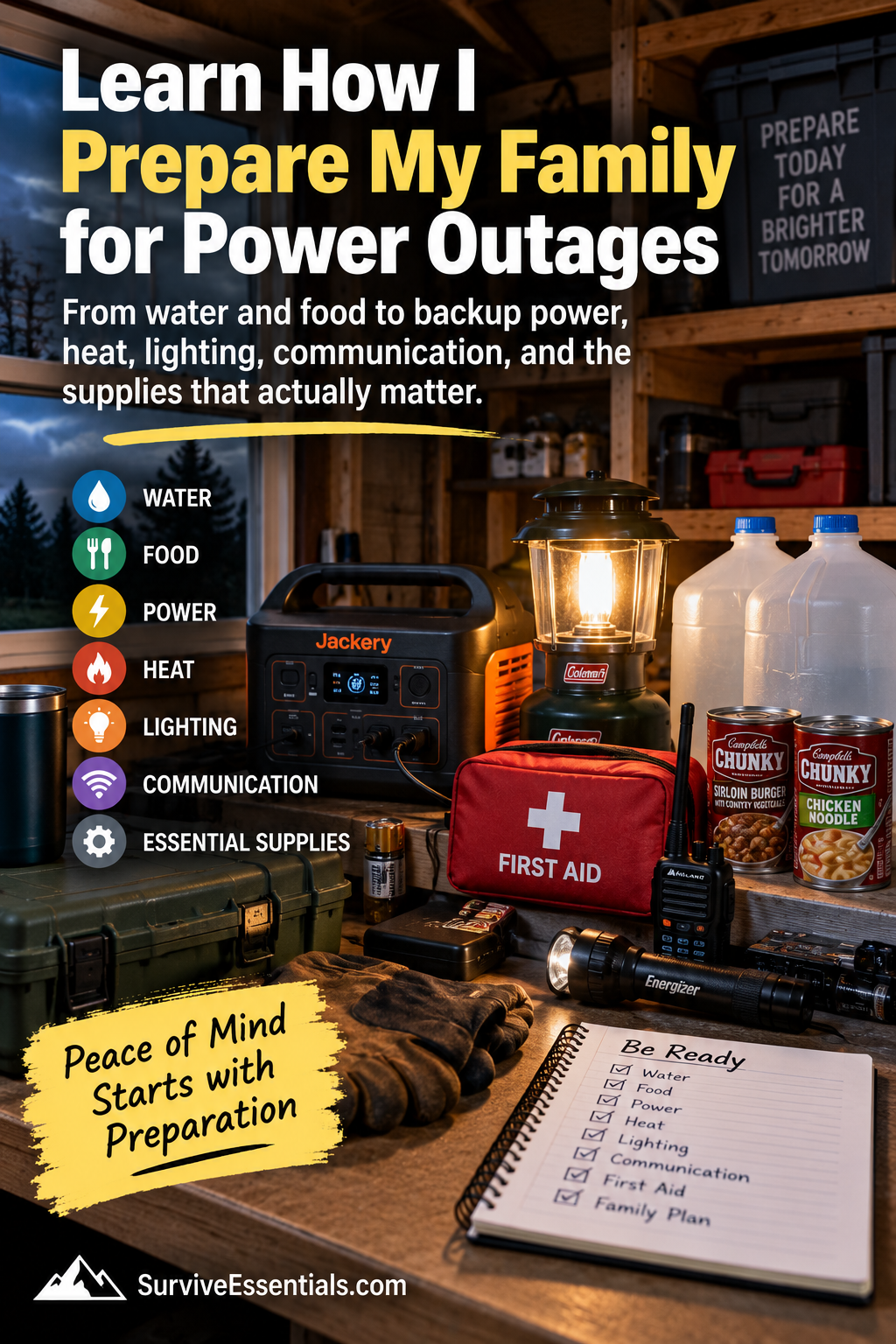
That’s the mindset behind my broader power outage preparedness plan for a long blackout.
I’m trying to keep the important systems working, not pretend the outage never happened.
I Don’t Necessarily Run the Refrigerator Generator 24 Hours a Day
This is where fuel conservation becomes interesting.
A refrigerator doesn’t normally run its compressor every second of every day.
And a well-insulated refrigerator can retain cold for a while when the door stays shut.
That doesn’t mean I recommend blindly putting a refrigerator on some universal generator schedule. Refrigerator performance, room temperature, food load, generator setup, and weather all matter.
What I do want is a refrigerator thermometer.
That tells me what I actually need to know.
Is my food staying at a safe temperature?
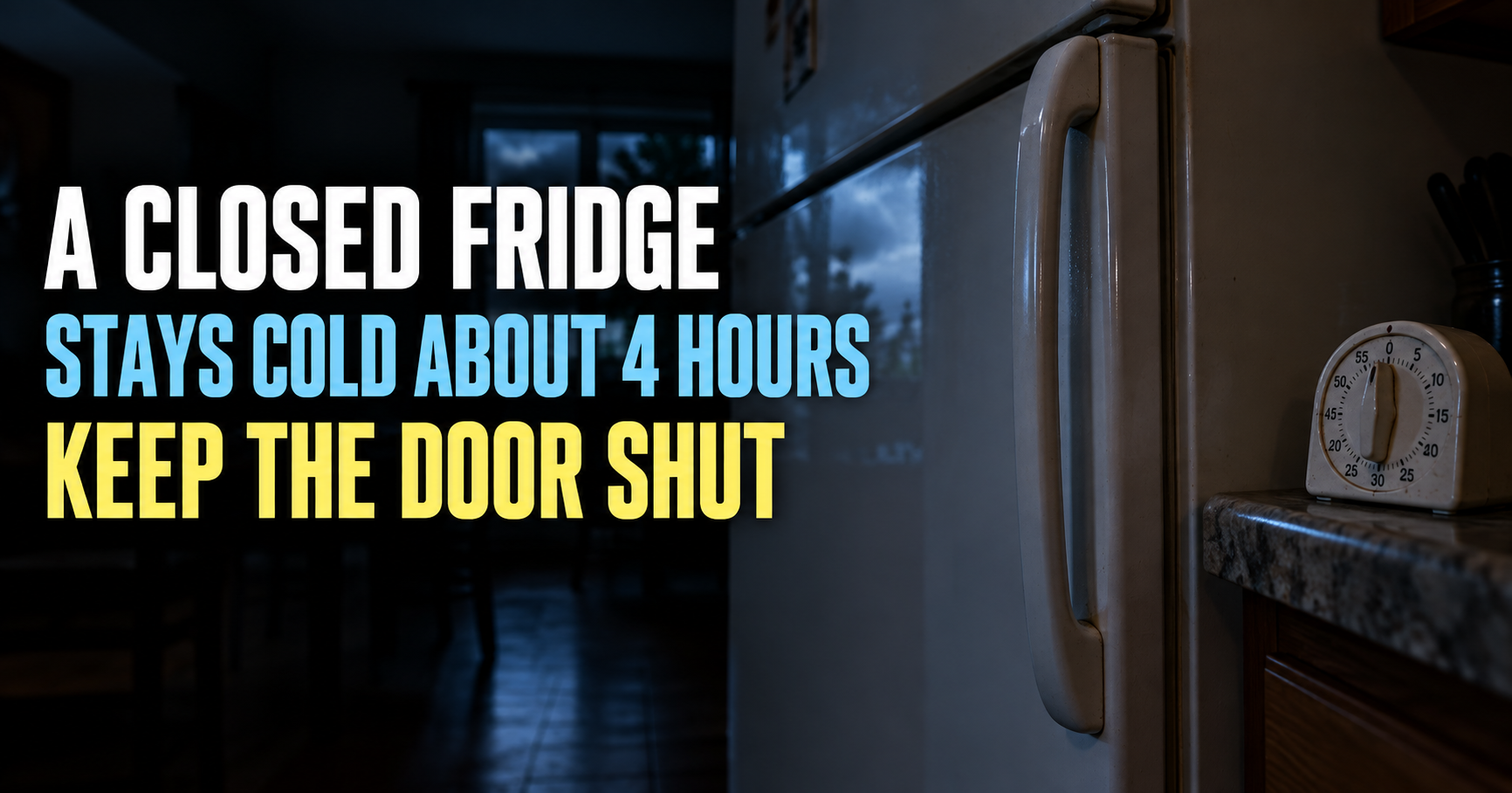
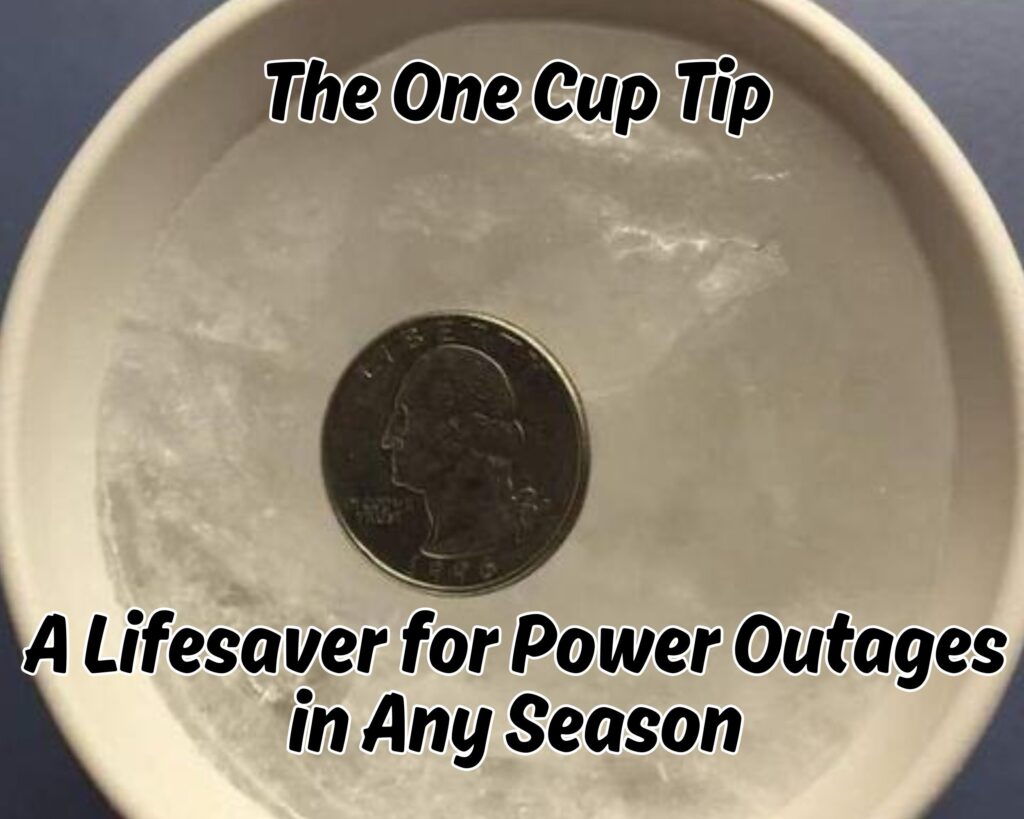
I’ve already covered how long I expect a refrigerator to stay cold without power, including why I use 40°F as the important food-safety threshold.
That article is worth reading alongside this one.
A Thermometer Can Save Generator Fuel
This is a good example of a cheap tool being more useful than another expensive piece of survival equipment.
If I know the refrigerator temperature, I can make decisions based on what’s actually happening.
Without a thermometer, I’m guessing.
I might run the generator much longer than necessary.
Or worse, I might assume the refrigerator is still safely cold when it isn’t.
During a long outage, every gallon of generator fuel matters.
I don’t want to burn it because I’m afraid to check a $10 thermometer.


I Keep the Refrigerator Door Closed Even When I’m Using a Generator
Running the refrigerator on backup power doesn’t mean I start treating it normally again.
I still minimize door opening.
Why make the compressor work harder?
If I know what I need, I grab it quickly and close the door.
The less heat I introduce, the easier it is to maintain a safe temperature.
This becomes even more important if I’m cycling generator use rather than providing continuous electricity.
I Think About the Freezer Too
In many homes, protecting the freezer may actually be worth more money than protecting the refrigerator.
Especially if it’s a chest freezer packed with meat.
A full freezer can stay cold much longer than a refrigerator if I keep it closed.
That buys me time.
I don’t necessarily need to power every cold appliance the instant the grid fails.
I can prioritize based on:
- Current temperature
- How full each appliance is
- Outdoor and indoor temperature
- How long the outage is expected to last
- What food is inside
- Available generator capacity
- Available fuel
That’s much smarter than plugging everything in immediately.



I Never Connect a Portable Generator Through a Wall Outlet
This is one shortcut I won’t take.
I don’t plug a generator into a household outlet to try to energize the home’s wiring.
That’s dangerous backfeeding.
If I want a generator integrated into household circuits, I want proper transfer equipment installed for that purpose.
Otherwise, I connect appliances in the manner allowed by the generator manufacturer using properly rated equipment.
There are some areas where improvising is useful in survival.
Household electrical wiring isn’t where I want to experiment.
Extension Cord Size Actually Matters
If I’m running a refrigerator from a portable generator outside, there’s a good chance an extension cord becomes part of the setup.
I don’t grab the cheapest little indoor cord in the junk drawer.
I want a heavy-duty cord appropriate for the electrical load and environment.
Cord length matters too.
Long, undersized cords can create voltage drop and heat.
I want the cord in good condition with no damaged insulation, loose ends, or questionable repairs.
The generator may be the expensive part of the setup, but the cord connecting it to the appliance still matters.
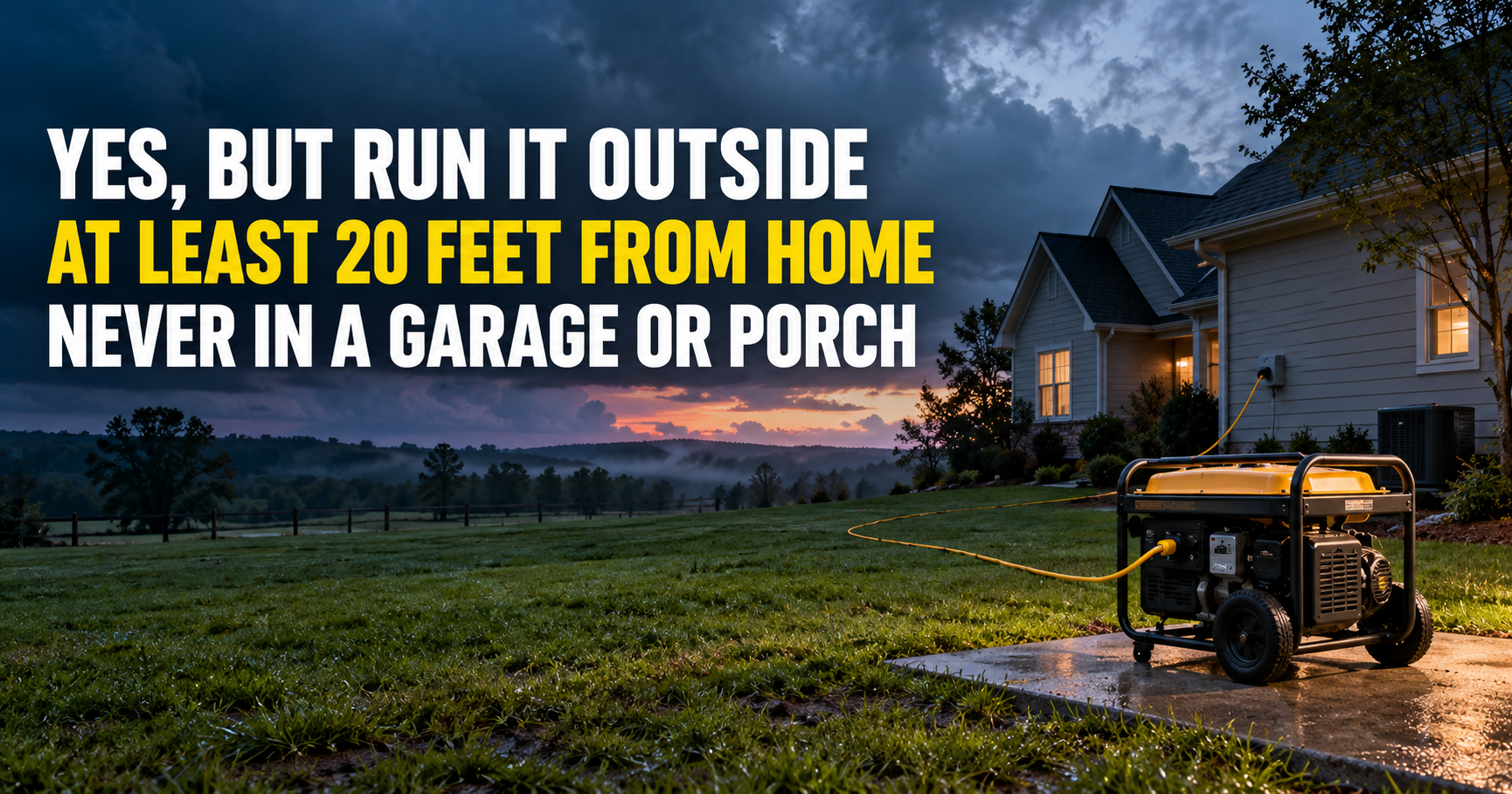
The Generator Stays Outside
This is non-negotiable for me.
A portable generator produces carbon monoxide.
I never run one:
- Inside the house
- In the basement
- In an attached garage
- In an enclosed porch
- Right beside a window
- Near an opening where exhaust can enter the house
Current FEMA guidance says generators should be operated outdoors at least 20 feet from building openings such as windows, doors, and garages.

That’s the kind of rule I want figured out before the storm.
I also want working carbon monoxide alarms inside the home.
Keeping hamburger frozen isn’t worth risking someone’s life.
I Don’t Move the Generator Into the Garage Because It’s Raining
This is where real-world outages get tricky.
Storm causes outage.
Generator needs to be outside.
Storm is still raining.
Now what?
My answer isn’t moving a running generator into the garage.
Generators need protection from wet conditions without creating an enclosed exhaust hazard.
That’s something I plan for ahead of time using equipment and shelter arrangements designed for safe generator operation.
I don’t improvise with an enclosed space after the storm arrives.
I Never Refuel a Running Generator
Fuel and a hot engine are not a combination I take casually.
If the generator needs fuel, I shut it down and follow the manufacturer’s refueling instructions.
This is another reason I like thinking strategically about runtime.
The less unnecessary electricity I’m producing, the less fuel I’m burning and the less frequently I have to refuel.
Fuel Becomes the Real Limitation in a Long Outage
The generator itself may be capable of running for days.
My fuel supply may not be.
That’s the part people overlook.
If every gas station nearby is without electricity too, buying more gasoline may become difficult.
So when I think about generator capacity, I also think about:
- Fuel consumption
- Stored fuel
- Safe fuel storage
- Runtime
- Which appliances actually need power
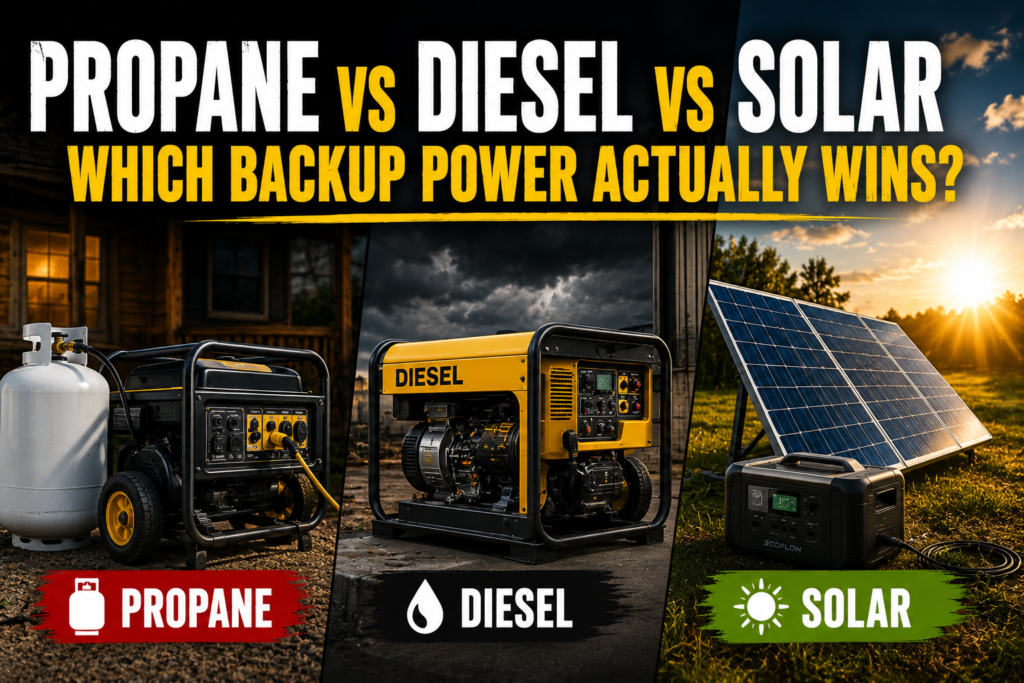
That’s why I’ve already compared propane, diesel, and solar backup power for longer emergencies.
There isn’t one perfect backup-power source.
Different systems solve different problems.
An Inverter Generator Makes Sense for This Kind of Job
For a refrigerator, charging electronics, lighting, and similar household essentials, I like the idea of an inverter generator.
I’m not trying to power a construction site.
I’m trying to efficiently cover important household loads.
Inverter generators also tend to be quieter than many traditional open-frame generators, which matters more than people think during a long outage.
After listening to an engine for two straight days, noise becomes part of the experience.
I Use Generator Runtime to Recharge Everything Else Too
If I’m starting the generator to cool the refrigerator and freezer, I make that runtime count.
That’s when I also charge:
- Phones
- Power banks
- Rechargeable flashlights
- Emergency radio
- Other important battery-powered equipment
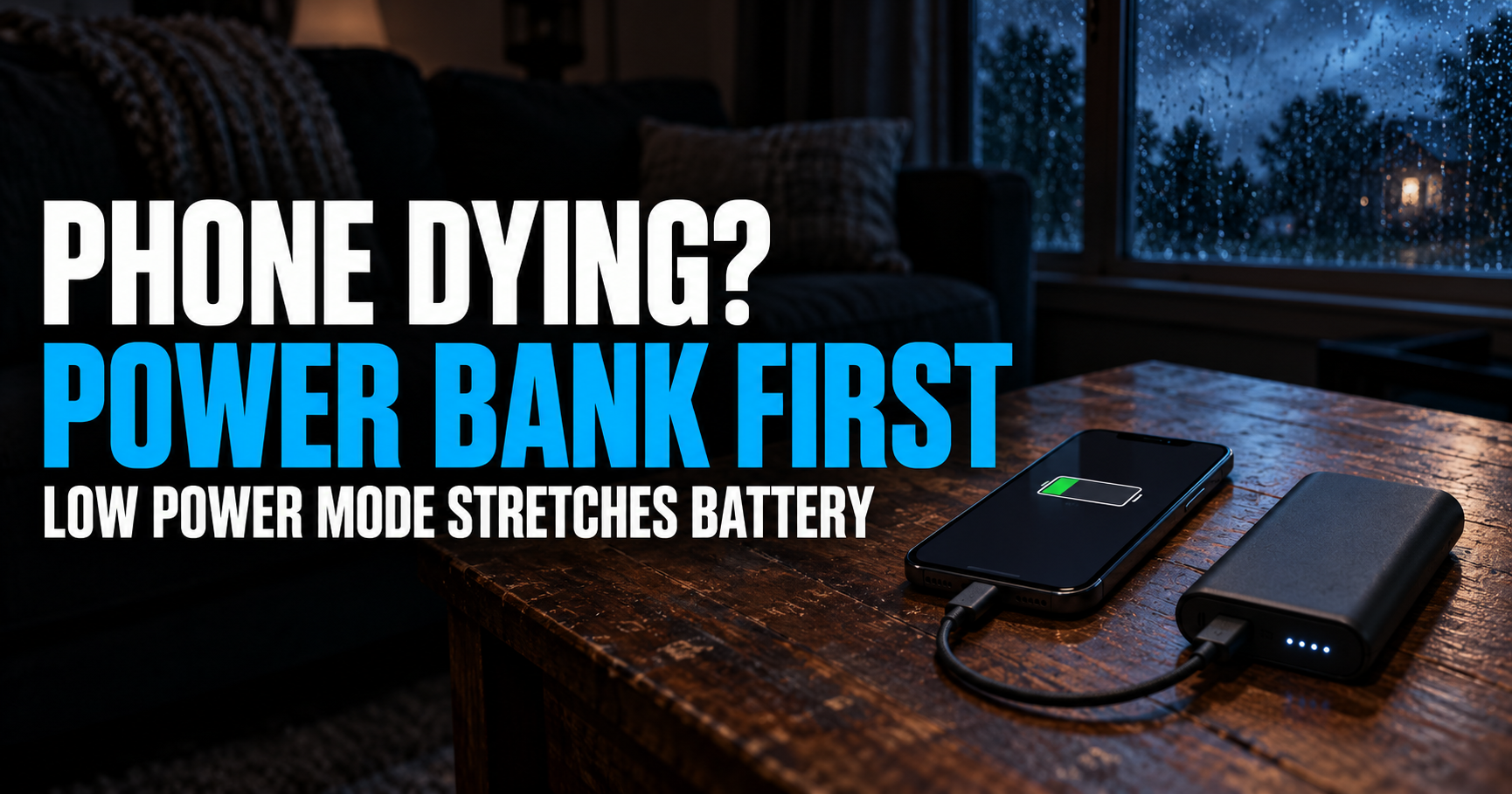
I’ve already explained how I keep my phone charged during a power outage.
Grouping charging tasks together is one of the simplest ways I stretch my fuel.
If the engine is already running, I want useful work from it.
I Don’t Forget About the Emergency Radio
I also want information while the outage continues.
If cellular networks become unreliable or my phone needs to stay in battery-saving mode, a dedicated radio becomes valuable.
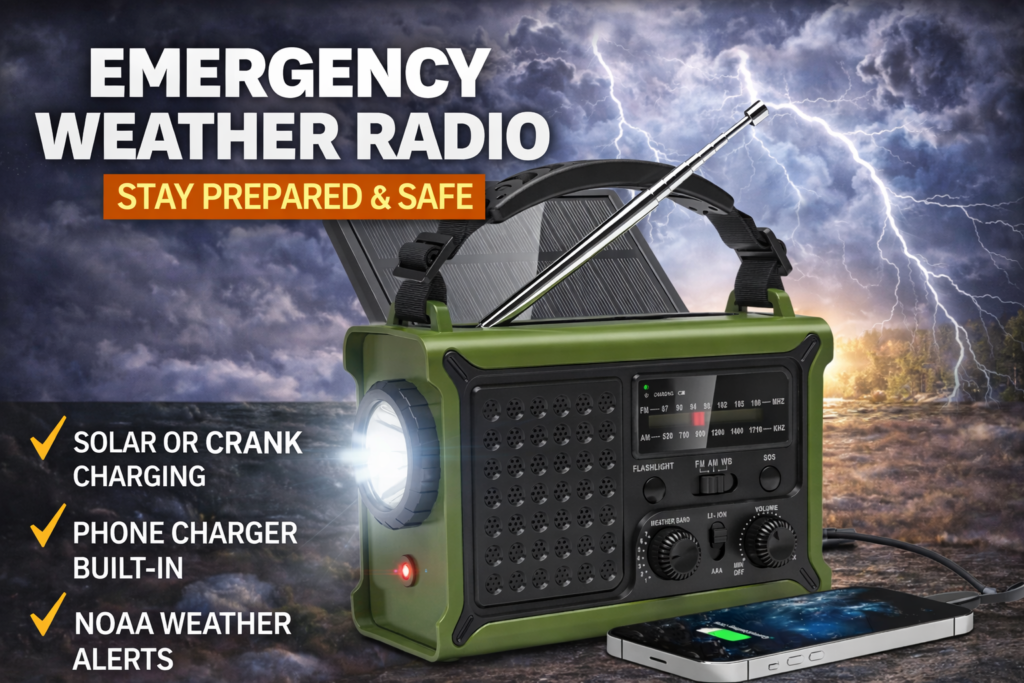
That’s why I keep an emergency weather radio as a separate communication layer.
The less work my phone has to do, the easier it is to keep the phone alive.
Again, everything supports something else.
That’s what a good preparedness system should do.
What If I Don’t Own a Generator?
Then my strategy changes.
I immediately become much more aggressive about conserving the refrigerator’s existing cold.
I keep the doors shut.
I use appliance thermometers.
I prepare coolers and ice if available.
I prioritize which foods need protection.
And I start eating food in an order that makes sense.
I don’t begin eating 20-year shelf-life emergency food while tomorrow’s chicken is slowly warming in the refrigerator.
Use the food that’s going to be lost first.
Save shelf-stable food for later.
That’s a simple idea, but it can prevent a lot of waste.
I Don’t Buy a Generator Based Only on the Refrigerator
This might sound strange after an entire article about running a refrigerator from a generator.
But if I’m buying a generator, I look at the entire emergency plan.
What else matters in my house?
Do I have a well pump?
A chest freezer?
Medical equipment?
A sump pump?
A furnace blower?
Phone charging?
Lights?
Different households have completely different critical loads.
That’s why I don’t tell everyone, “You need exactly this many watts.”
I figure out my essential loads first, then choose backup power.
Refrigerator Plus Freezer Is a Different Calculation
This is another common situation.
Maybe the kitchen refrigerator isn’t the only thing I’m protecting.
I might have:
- Refrigerator/freezer
- Garage freezer
- Chest freezer
Now I’m dealing with multiple compressors and multiple startup surges.
That’s where I become even more careful about generator capacity.
I may not want every compressor starting simultaneously.
Depending on my setup, alternating loads can make more sense than buying an enormous generator solely to power everything at once.
What About a 2,500-Watt Generator?
A 2,500-watt-class generator may be plenty for a refrigerator plus selected smaller loads in many households.
But I’m still checking the actual equipment.
The generator’s continuous/rated output matters.
The refrigerator’s running and startup requirements matter.
Everything else connected at the same time matters.
That’s why I like the 2,500-watt class as a starting point for essential-load planning, not as a blanket promise that it will run every combination of appliances.
The Generator I’d Look at for a Basic Outage Setup
If your goal is keeping refrigeration going while still having room for charging and a few other essentials, the portable inverter generator we’ve already reviewed is worth comparing against your actual appliance requirements.
See the PowerSmart 2500-watt inverter generator on Amazon
I’d still check the refrigerator label and calculate the total loads before buying anything.
My Basic Refrigerator Generator Setup
If I were setting this up from scratch, I would want:
- A generator appropriately sized for my essential loads
- Enough safely stored fuel
- Heavy-duty properly rated extension cords if needed
- Refrigerator and freezer thermometers
- Working carbon monoxide alarms
- A safe outdoor generator location
- A written list of appliance wattages
- A basic plan for when I actually need to run the generator
That last item matters.
Owning equipment isn’t the same as having a plan.
I Test the Setup Before the Power Goes Out
This may be the biggest advantage I can give myself.
I don’t want the first test happening during a thunderstorm at 10 p.m.
On a normal day, I can safely test the setup.
Does the generator start?
Does the refrigerator operate normally?
Is the cord long enough?
Where will the generator sit?
Can I hear the refrigerator compressor start without the generator struggling?
Do I understand the generator controls?
Does everyone else in the house know what not to touch?
If something doesn’t work, I can fix it while hardware stores are open and the electricity is still on.
The Refrigerator Is One of the Best Uses of Limited Backup Power
When I’m deciding where limited generator power should go, food preservation ranks high.
Not because cold soda is important.
Because losing a refrigerator and freezer full of food is expensive, wasteful, and completely avoidable in many outages.
I don’t need the generator running every convenience in the house.
I need it doing useful work.
Keeping food safely cold is useful work.
And once I’ve protected that food, I can use the same generator runtime to recharge the smaller equipment that keeps the rest of my blackout plan working.
That’s how I want my backup-power system to function: one piece of equipment solving several real problems without wasting fuel trying to pretend the grid never went down.
About the Author
Caleb Mercer writes about blackout preparedness, generators, backup power, emergency communications, and practical ways to keep a household functioning when normal utilities fail. His work for the Survive Essentials Power Outages and Backup Power section focuses on building realistic systems around the equipment families actually need rather than simply buying the biggest generator on the shelf.