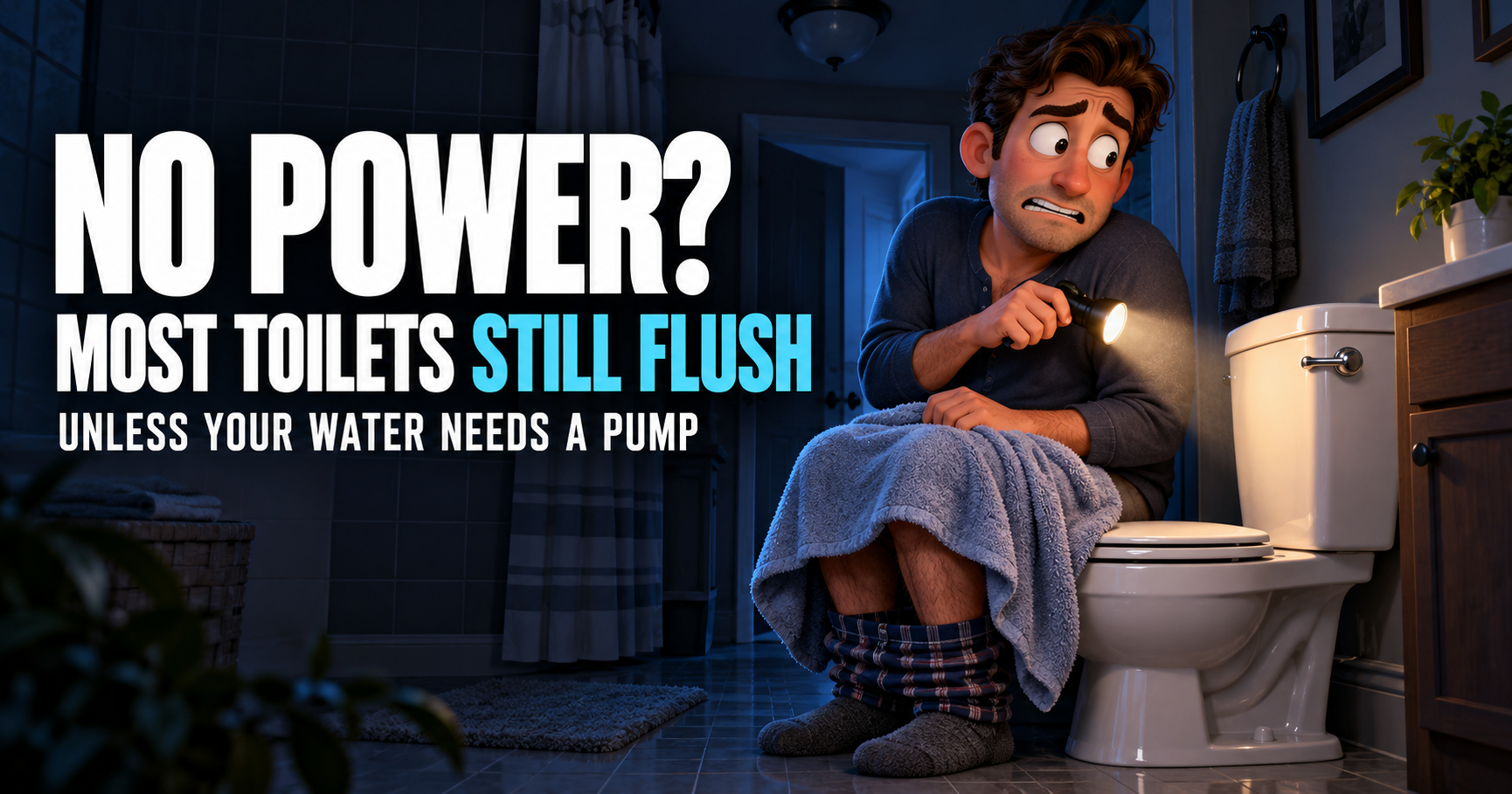
When my power goes out, the toilet doesn’t automatically stop working.
That’s the short answer.
The longer answer depends on where my water comes from and where the waste goes after I flush.
If I’m connected to city water and a normal gravity sewer system, I may be able to keep using the toilet normally during an ordinary electrical outage.
If I’m on a private well, I may only have the water that’s already under pressure in my plumbing system.
And if my septic or sewer setup depends on an electric pump, I have another problem entirely. I may have water available to flush but nowhere safe for the wastewater to go.
So before I start dumping buckets into the toilet, I figure out what kind of system I’m actually dealing with.
If I’m on City Water, My Toilet May Work Normally
A basic gravity-flush toilet doesn’t need electricity at the toilet itself.
It needs water.
If municipal water pressure remains available during the outage, the toilet tank may continue refilling after every flush just like normal.
That’s why some people can lose electricity for eight hours and never notice a difference in the bathroom.
But I don’t automatically assume city water will remain available forever.
Large outages can affect pumps, treatment facilities, pressure, and other infrastructure.
If the water utility issues instructions or an advisory, I follow those instead of assuming yesterday’s rules still apply.
If I’m on a Well, I Start Conserving Flushes
A private well changes the situation.
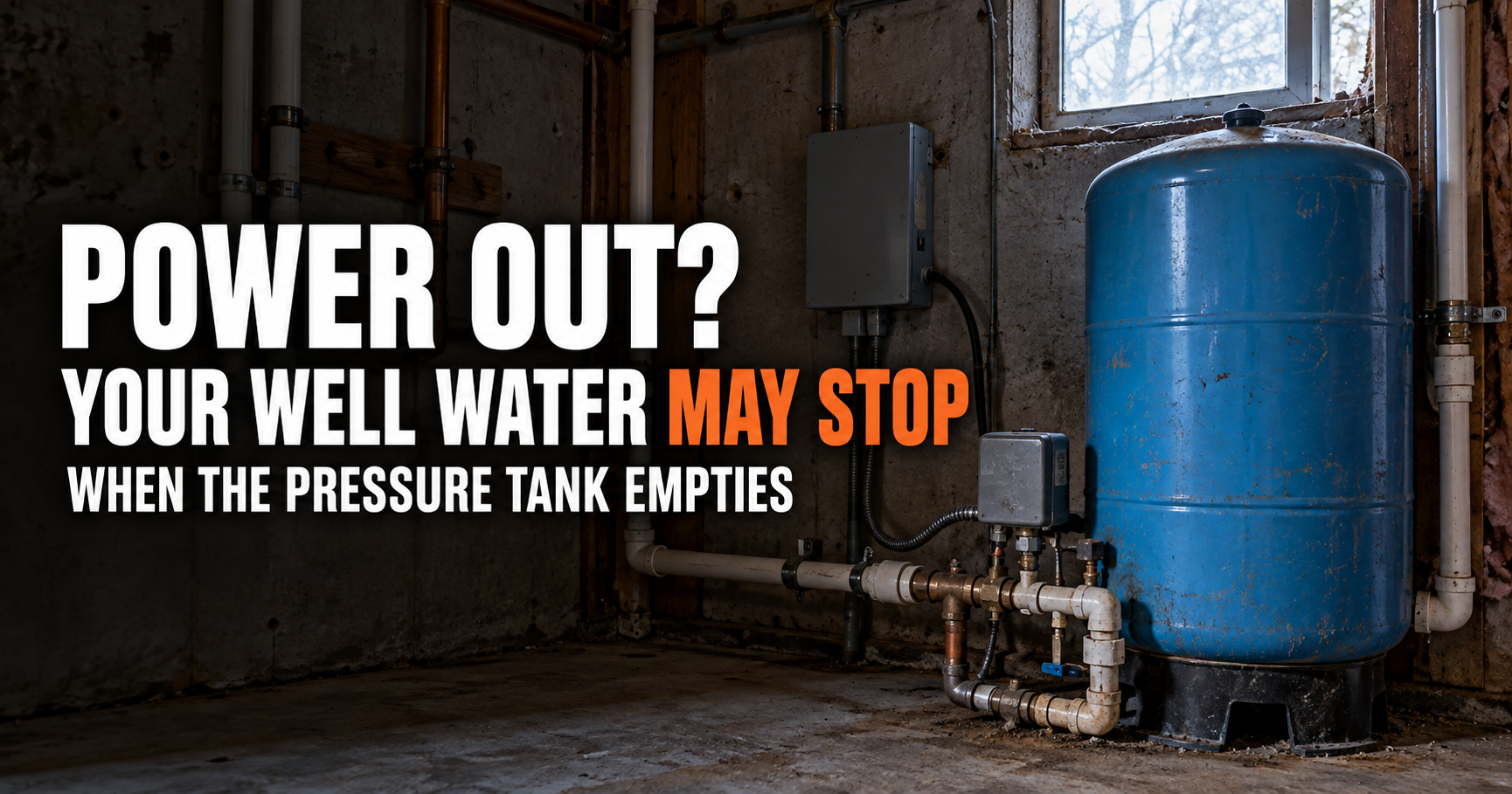
As I covered in what happens to my well water during a power outage, an electric well pump normally can’t keep replenishing the pressure tank once electricity disappears.
I may still have some pressurized water available immediately after the outage.
I don’t waste it flushing the toilet over and over.
Drinking water and other essential uses rank higher.
That’s when I start thinking about alternative water for flushing.


The Toilet Tank May Give Me One Normal Flush
If the toilet tank was full when the electricity went out, I still have that water.
The toilet doesn’t care whether the electrical grid is working when I push the handle.
The tank releases its stored water into the bowl and creates the flush.
The problem comes afterward.
If my well pump isn’t working, the tank may not refill.
So that first flush can create a false sense that everything is normal.
It isn’t necessarily.
I Can Manually Flush Many Toilets With a Bucket
This is one of the most useful blackout tricks to know.
A typical gravity toilet can often be flushed manually by adding enough water quickly enough to the bowl to trigger the siphoning action.
I don’t slowly drizzle water into it.
I pour a substantial amount into the bowl in a controlled but fairly quick pour.
Once the water level rises and the siphon starts, the toilet can flush even though its tank didn’t refill normally.
Another option with many toilets is manually filling the toilet tank to its normal level and then using the flush handle.
Either method lets me use water from another appropriate source instead of consuming pressurized drinking water.


I Don’t Need Drinking-Quality Water to Flush a Toilet
This is where having different categories of emergency water really helps.
I’m not drinking toilet-flushing water.
So I don’t necessarily need to use expensive bottled drinking water for that job.
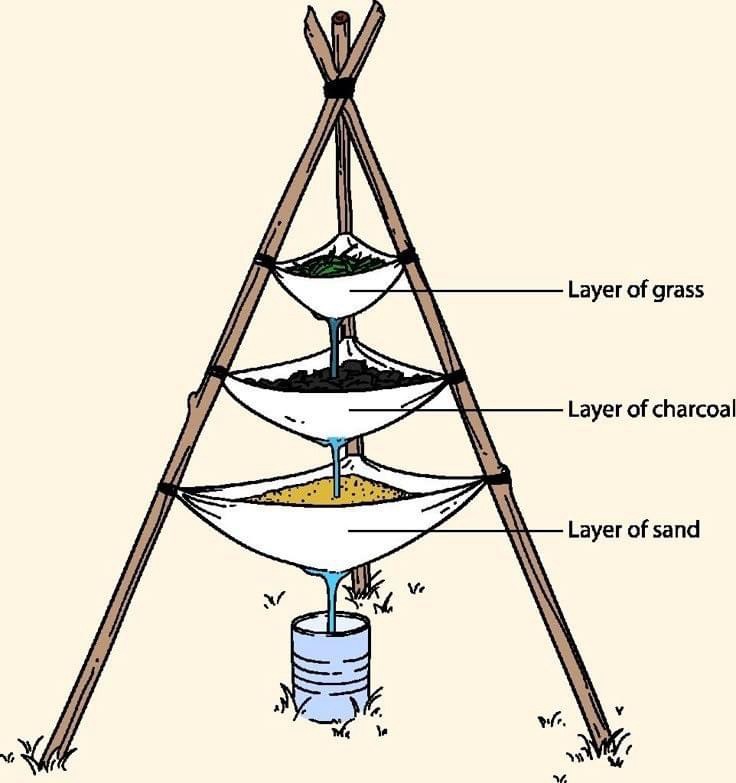
Depending on the situation, I may have access to appropriate nonpotable water from sources such as:
- Collected rainwater
- A rain barrel
- Pool water
- Certain stored utility water
- Other appropriate non-drinking sources
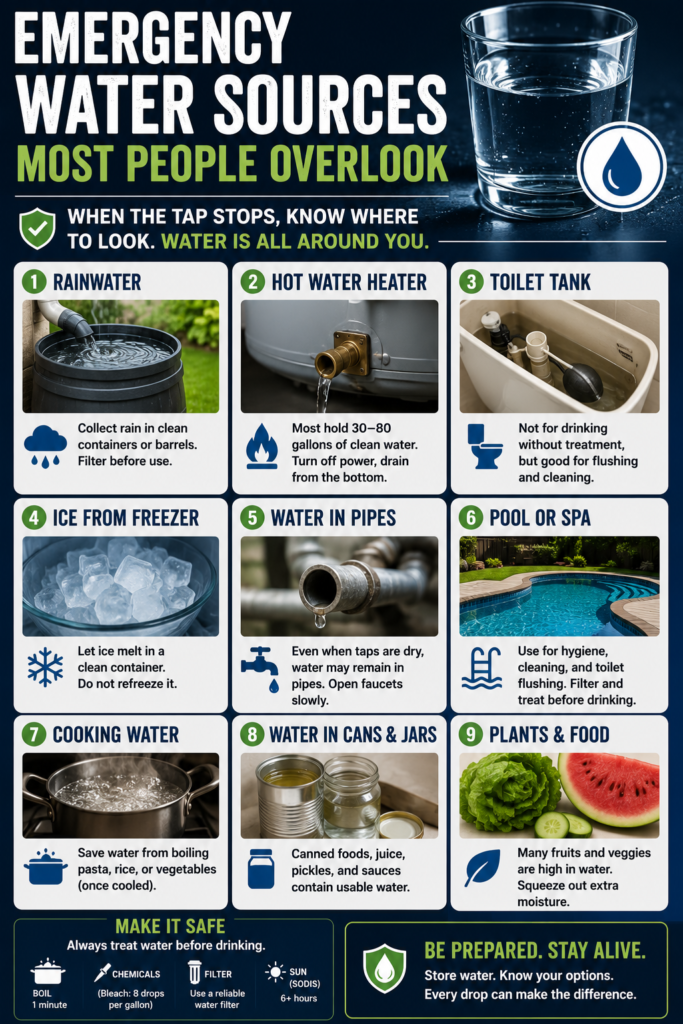
We’ve already built an entire guide around emergency water sources people often overlook.
During a long outage, separating drinking water from sanitation water can stretch my clean-water supply considerably.
Pool Water Can Suddenly Become Extremely Useful
A swimming pool may contain thousands of gallons.
I’m cautious about treating pool water as drinking water.
Toilet flushing is different.
If I have a safe way to carry it into the house, pool water can preserve my stored drinking water for the jobs that actually require potable water.
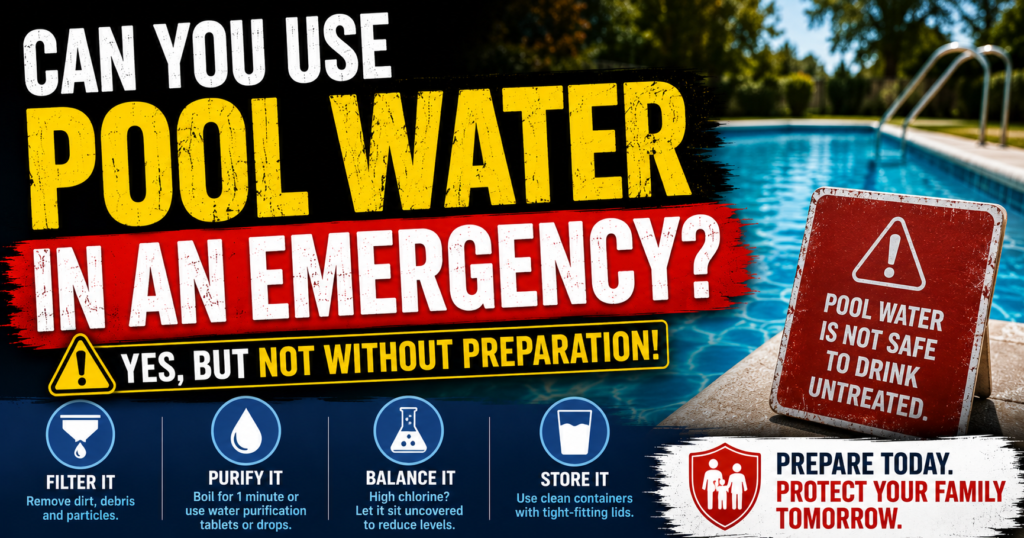
Our guide on using pool water during an emergency goes much deeper into what I would and wouldn’t use it for.
This is exactly the kind of situation where having a pool becomes a preparedness asset.

Rain Barrel Water Can Work for Sanitation Too
Same idea.
I don’t automatically drink water collected from a roof and stored in a rain barrel.
But flushing a toilet doesn’t require drinking-quality water.
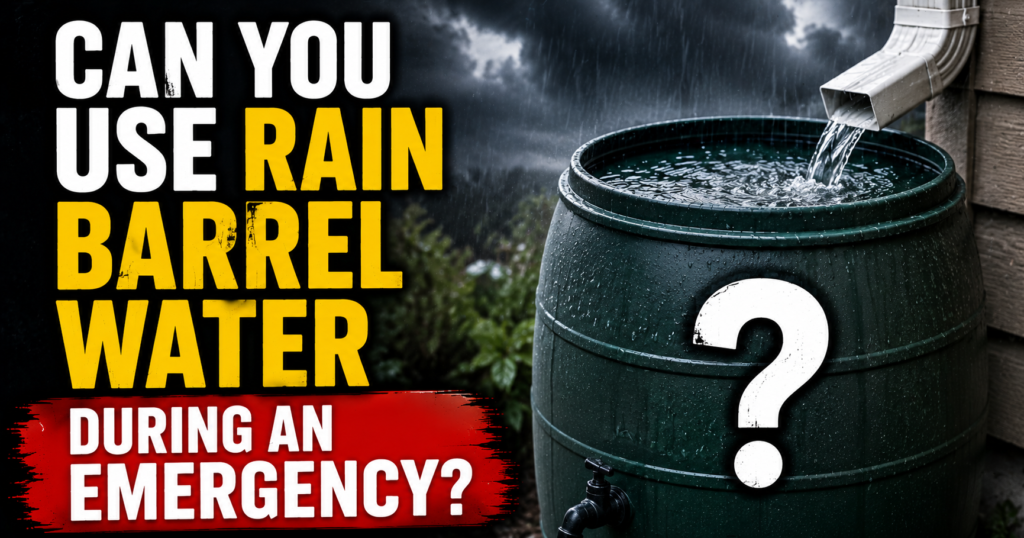
We’ve covered how I use rain-barrel water during an emergency.
Every gallon of alternative water I use for sanitation can preserve another gallon of properly stored drinking water.
I Still Conserve Toilet Water
Just because I can manually flush doesn’t mean I waste water.
A household can send a surprising amount of water through toilets.
During a normal day, nobody thinks about it.
During an outage, every flush becomes part of the water budget.
If I’m on a well with no working pump, I’m much more conscious about how often we’re flushing and what water we’re using.
I’m not trying to make the house disgusting.
I’m trying to use a limited resource intelligently.



Septic Systems Add Another Question
If I have a conventional gravity septic system, losing electricity does not necessarily mean the entire septic tank instantly stops accepting wastewater.
Wastewater from the house may still flow by gravity into the septic tank.
But not every septic system is that simple.
Some systems have:
- Effluent pumps
- Sewage pumps
- Lift stations
- Aerators
- Controls
- Alarms
- Other electrically powered components
If my system depends on electricity to move or treat wastewater, continued flushing during an outage can eventually create a backup or overflow problem.
That’s why I want to understand my septic system before the blackout.
I Find Out Whether My Septic System Has a Pump
This is a great preparedness question to answer on a normal day.
Does everything flow downhill by gravity?
Is there a pump tank?
Do I have an alarm panel?
Is there an aerobic treatment unit?
Does part of the system require continuous or periodic electricity?
If I don’t know, I find out.
I don’t want my first lesson about the septic system to happen when sewage starts backing up into the bathtub.


If My Septic Pump Has No Power, I Cut Water Use Hard
If wastewater is entering a holding or pump chamber that can’t empty without electricity, every gallon going down the drain matters.
Now I’m conserving more than toilet flushes.
I’m also thinking about:
- Showers
- Laundry
- Dishwashing
- Sinks
- Toilets
- Every other source of wastewater
EPA guidance emphasizes water conservation as an important part of protecting septic systems because everything sent down household drains eventually enters that system.
During a pump outage, that becomes even more important.
A Toilet That Flushes Doesn’t Prove the Sewer System Is Working
This is an important distinction.
The toilet may flush perfectly.
That only tells me the waste left the toilet bowl.
It doesn’t tell me what’s happening farther downstream.
If there’s an electrically powered sewage ejector or septic pump that isn’t operating, wastewater may simply be accumulating somewhere else.
That’s why understanding the whole system matters.
Basement Bathrooms Can Be Different From Upstairs Bathrooms
Some homes have basement bathrooms below the level of the main sewer line.
Those fixtures may use a sewage ejector pump to lift wastewater high enough to enter the main drain.
No electricity can mean no ejector pump.
In that situation, I don’t keep using the basement toilet just because there’s water in the tank.
I want to know how that bathroom’s waste actually leaves the house.
Municipal Sewer Systems Can Have Their Own Power Problems
Being connected to city sewer doesn’t guarantee every piece of wastewater infrastructure is gravity-powered.
Municipal systems can use lift stations and pumps too.
Utilities may have generators and other backup systems, but widespread or extended outages can still create problems.
If local authorities ask residents to reduce wastewater use, I listen.
I don’t assume my house is isolated from whatever is happening farther down the sewer line.
I Watch for Warning Signs
If the wastewater system is struggling, I don’t keep flushing and hope for the best.
Things that get my attention include:

- Toilets flushing slowly
- Gurgling drains
- Water backing up
- Sewage odors
- Multiple fixtures draining poorly
- Septic alarms
- Sewage appearing around the drainfield
Those aren’t signals to flush again and see what happens.
They’re signals to stop adding unnecessary wastewater and figure out what’s wrong.
Flooding Changes the Rules Completely
A power outage caused by flooding creates another problem.
If a septic drainfield is saturated or underwater, pushing more wastewater into the system may make things worse.
EPA guidance specifically warns against using a septic system after flooding until water in the soil absorption area has dropped sufficiently.
So if my yard and drainfield are flooded, I’m not treating this like an ordinary electrical outage.
The wastewater system itself may be compromised.
I Don’t Flush Wipes Because It’s an Emergency
This seems unrelated until a sewer or septic system is already under stress.
I only flush human waste and toilet paper.
Not baby wipes.
Not “flushable” wipes.
Not paper towels.
Not feminine hygiene products.
Not diapers.
Not random trash.
The EPA recommends the same basic rule for septic systems: toilets aren’t trash cans.
The last thing I need during a blackout is a clogged sewer line I created myself.
What If I Completely Run Out of Water?
At that point, I need a sanitation backup plan.
Exactly what makes sense depends on how long the outage is expected to last, the home, local rules, weather, available supplies, and whether the wastewater system is functioning.
But this is why I don’t want emergency sanitation to begin with:
“We’ll figure it out when the toilet stops working.”
I want supplies and a plan beforehand.
Long-duration sanitation is important enough that we’ll eventually treat it as its own preparedness topic rather than trying to squeeze every possibility into one toilet article.
Stored Water Is Still My First Defense
Even though I can use alternative water for flushing, I still want a serious stored-water supply.
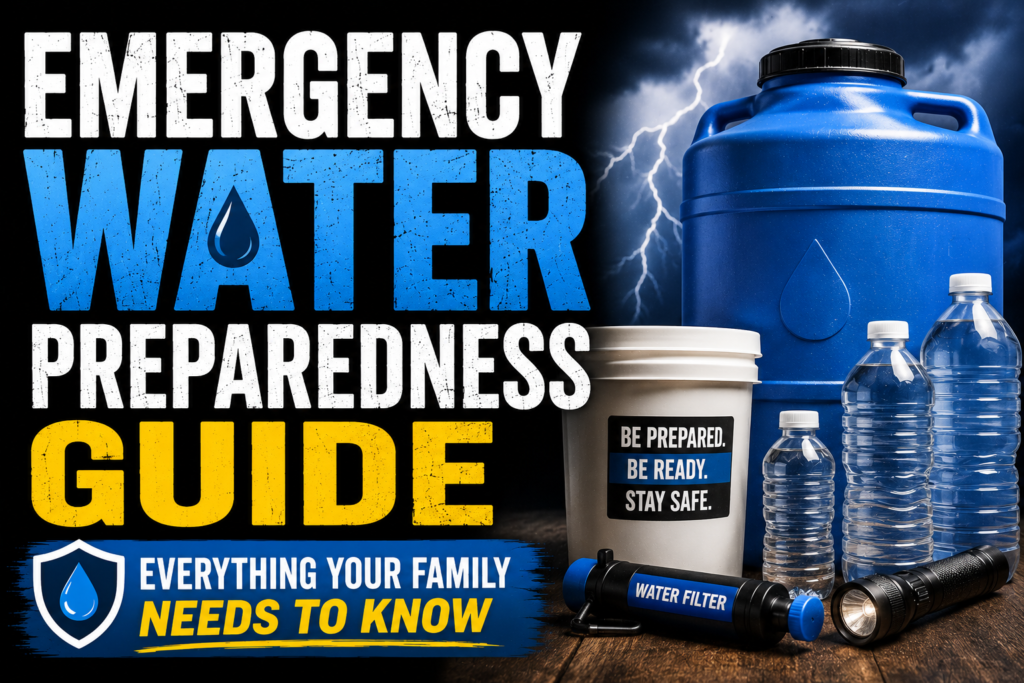
That’s why our emergency water preparedness guide is one of the most important resources connected to this power-outage cluster.
Electricity, water, and sanitation aren’t separate problems during a real emergency.
They’re connected.
Losing electricity can stop the well.
Losing the well changes toilet use.
Losing normal toilet use creates sanitation problems.
Preparedness gets much easier when I plan for those connections.
Before a Storm, I Can Store a Lot of Water Quickly
If I have advance warning, I take advantage of running water while I still have it.
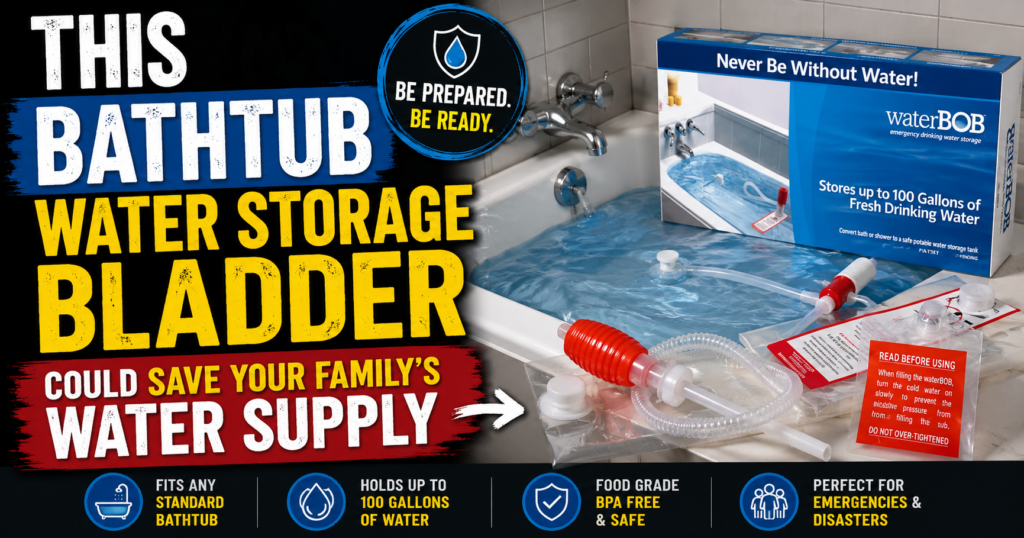
One option we’ve covered is the bathtub water-storage bladder that can hold up to 100 gallons.
For a well household, that can be especially useful.
The Emergency Water Storage Option I’d Keep Ready
A bathtub bladder doesn’t take up a huge amount of permanent space, but it gives me a way to create a substantial water reserve while the well pump still has electricity.

Check the 100-gallon bathtub emergency water bladder on Amazon
I would prioritize that clean stored water for uses that actually require clean water rather than casually burning through it on toilet flushes.
If I Have a Generator, the Well May Solve Part of the Toilet Problem
If my properly sized and safely connected generator can run the well pump, I can restore household water pressure periodically.
That makes toilet use much easier.
But I still don’t waste generator fuel pumping water unnecessarily.
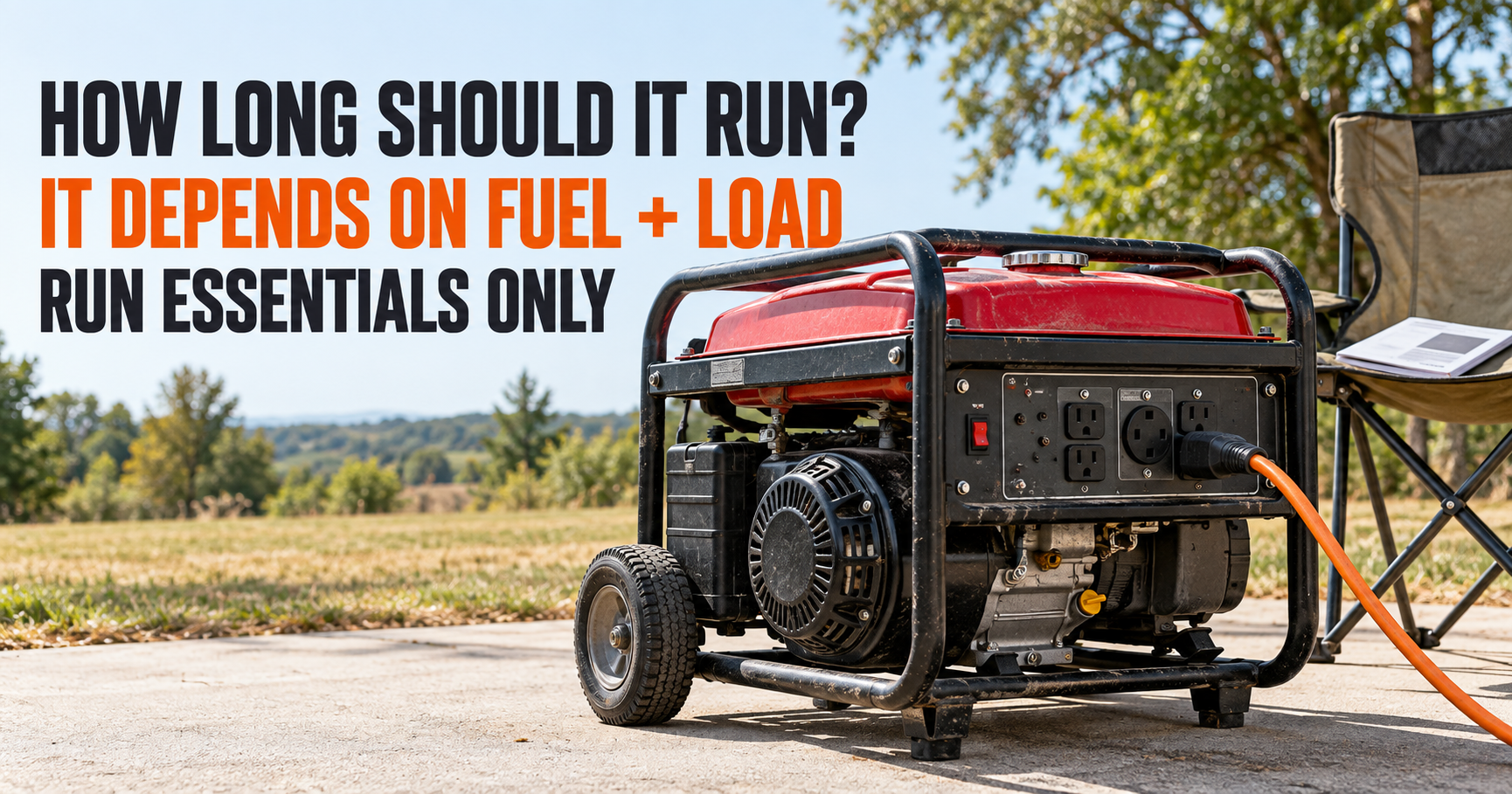
I like the strategy from how I manage generator runtime during a power outage.
When the generator is already running, I accomplish several jobs.
I might:
- Restore well pressure
- Fill emergency water containers
- Cool the refrigerator
- Cool the freezer
- Charge phones
- Recharge power banks
Then I have useful resources available after I shut the generator back down.
My Toilet Plan Depends on Four Questions
When the electricity goes out, I want to know:
Do I Still Have Water?
City water may continue working.
A well may only provide whatever pressure remains until the pump runs again.
Does My Toilet Need Electricity?
Most ordinary gravity toilets don’t.
Some specialized systems may.
Where Does the Waste Go?
Gravity sewer?
Gravity septic?
Sewage ejector?
Septic pump?
Municipal lift system?
That matters.
Is the Wastewater System Actually Working?
A flushing toilet isn’t enough evidence.
I want to know the waste can continue moving safely through the system.
What I Do During an Ordinary Short Blackout
If I’m on city water and everything is working normally, I may not change anything.
If I’m on a well, I conserve the water remaining under pressure.
I avoid unnecessary flushing.
I keep drinking water protected.
And I wait to see whether the outage becomes something longer.
No reason to turn a 30-minute outage into a sanitation crisis.
What I Do When the Outage Is Clearly Going Long
That’s when I become much more deliberate.
I identify nonpotable flushing water.
I protect stored drinking water.
I find out whether the septic or sewer system depends on electricity.
I monitor drains for warning signs.
If I have generator-powered well capability, I use it strategically.
And I make sure everyone in the house understands that normal water habits are temporarily over.
That’s a much easier conversation before somebody uses 20 gallons without thinking.
The Toilet Isn’t Really the Problem
That’s the useful way I’ve learned to look at this.
A normal toilet is actually pretty simple.
Give it enough water and it can usually flush.
The real questions are:
Where is that water coming from?
and
Where is the wastewater going?
Once I answer those two questions, the whole situation becomes much easier to manage.
If I have city water and a functioning gravity sewer, a blackout may barely affect the bathroom.
If I have an electric well and pumped septic system, the exact same blackout can shut down both sides of the equation.
That’s why I learn my house before the emergency.
Know Your Bathroom Before You Need It
I don’t need to become a plumber.
I just need to know enough about my own home to answer a few basic questions.
City water or well?
Municipal sewer or septic?
Gravity or pump?
Where is the main water shutoff?
Can my generator run the well?
Where could I get non-drinking water for flushing?
Those answers take very little effort to figure out today.
During a three-day blackout, they can make the difference between a functioning bathroom and a sanitation problem nobody planned for.
About the Author
Caleb Mercer writes about blackout preparedness, backup power, emergency water, sanitation, and the household systems people often don’t think about until utilities fail. His work for the Survive Essentials Power Outages and Backup Power section focuses on understanding how electricity, water, heating, food, and sanitation connect so families can solve problems before an outage turns into a larger emergency.