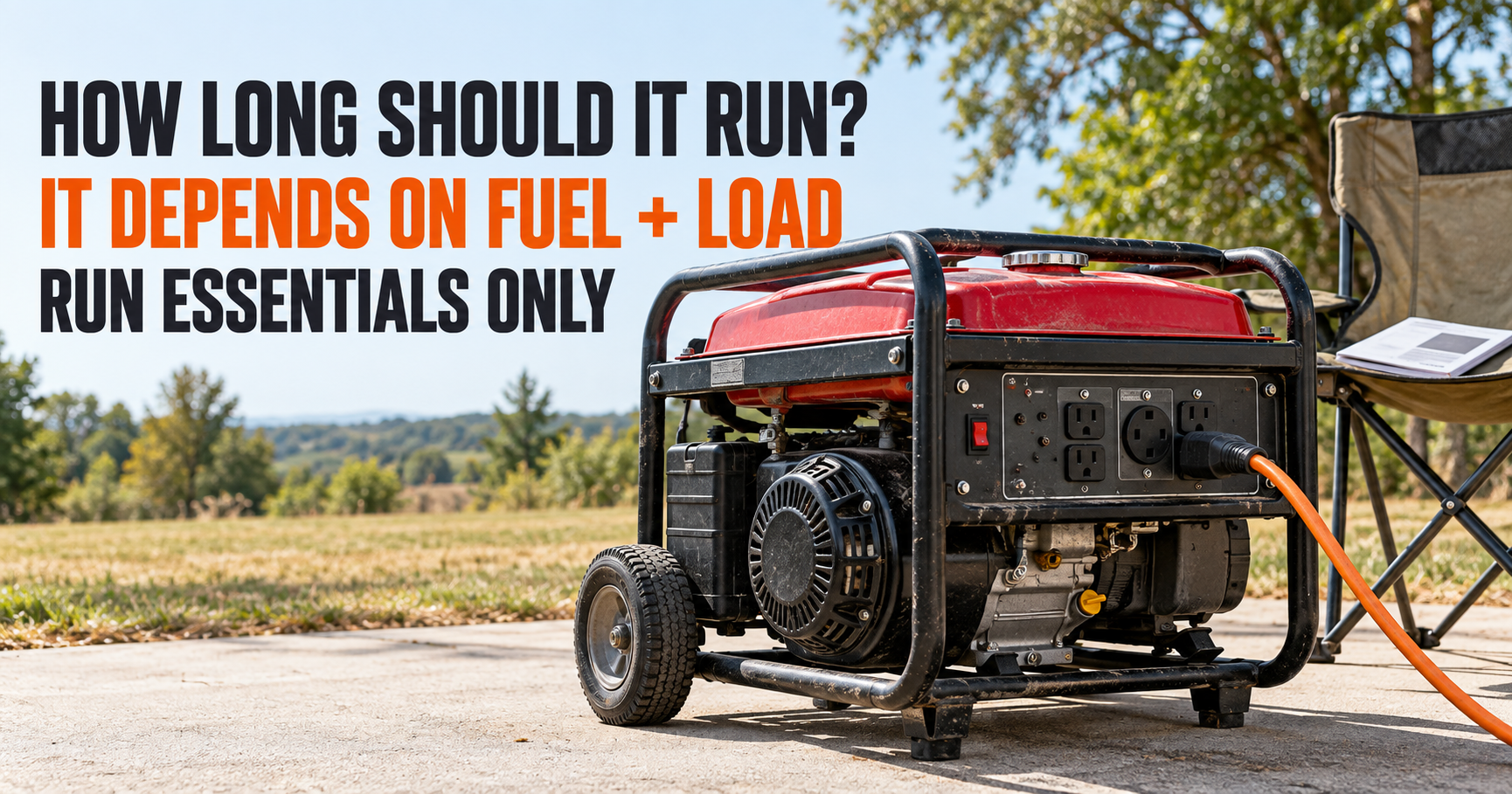
When my power goes out for more than a few hours, one question becomes pretty important once I start the generator:
How long should I actually leave this thing running?
I don’t have a rule that says I always run a generator for exactly four hours and shut it down for exactly two.
Real outages aren’t that predictable.
How I run mine depends on what I’m trying to accomplish, how much fuel I have, what the generator manufacturer allows, how hot or cold it is outside, and whether something in the house actually needs continuous power.
For most outages, my goal isn’t to make the generator replace the electrical grid.
My goal is to make every gallon of fuel accomplish something useful.
I Don’t Automatically Run My Generator 24 Hours a Day
This is probably the biggest difference between how I think about generator use and how some people approach it.
Just because a generator can run doesn’t mean I need it running every minute.
I ask myself:
What am I powering right now that actually needs electricity?
If the answer is nothing important, I’m burning fuel, adding engine hours, making noise, and eventually creating another refueling stop without accomplishing much.
During a long blackout, fuel can become one of my most limited resources.
I treat it that way from the beginning.


Some Equipment May Need Power More Often Than Others
Not everything in the house has the same priority.
My generator time usually revolves around things like:
- Refrigerator
- Freezer
- Well pump, if applicable
- Medical equipment
- Essential heating or cooling equipment where the setup safely supports it
- Battery charging
- Necessary lighting
I’m not particularly worried about keeping the television running.
That’s not why I bought emergency power.
My Refrigerator Doesn’t Necessarily Need the Generator Every Minute
A refrigerator is one of the most valuable things I can protect during a blackout.
But a refrigerator is also insulated.
If it’s cold and I keep the door shut, it can retain that cold for a while.
That’s why I use a refrigerator thermometer instead of blindly assuming the generator must run continuously.
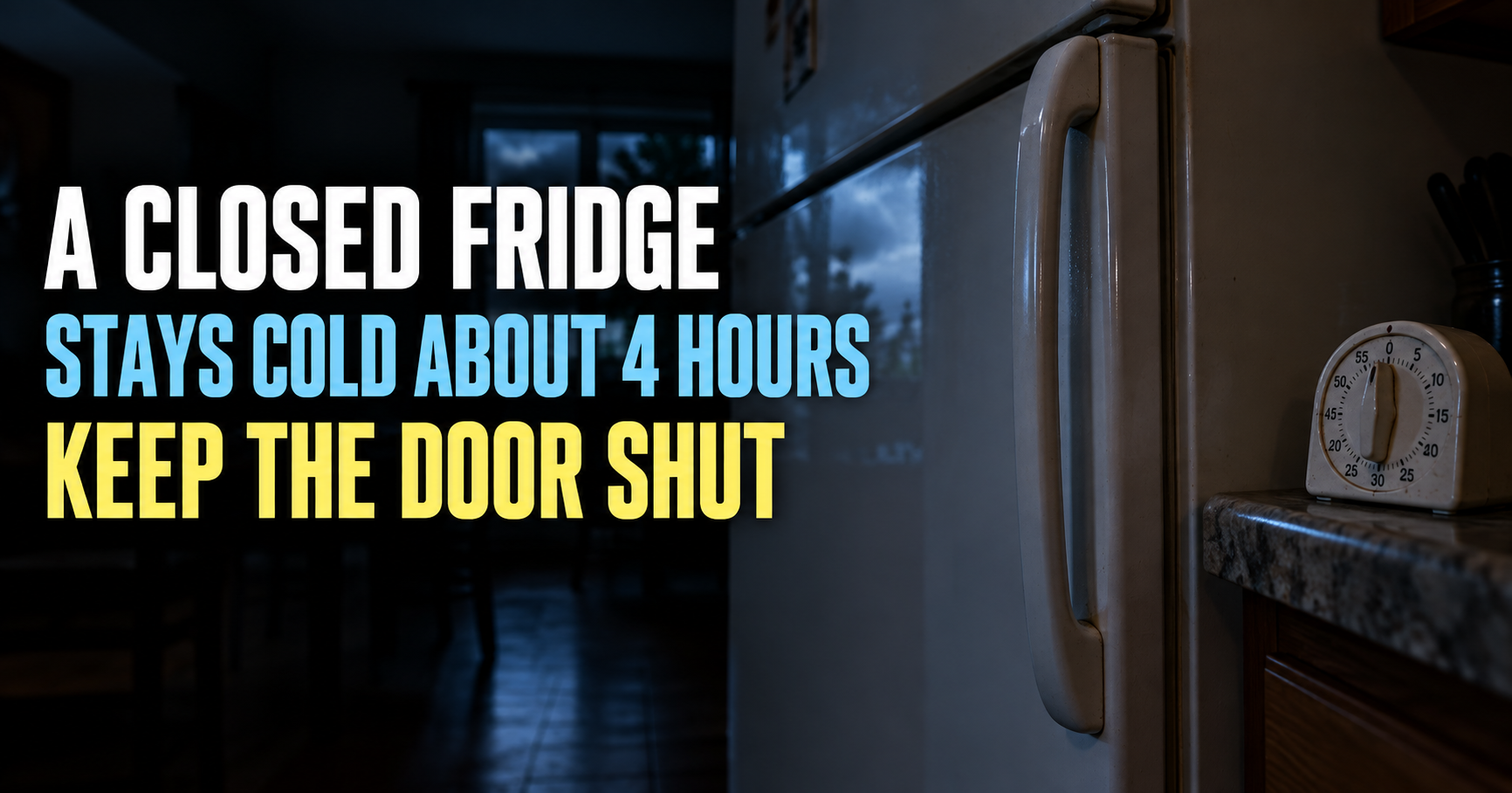
I’ve already covered how long my refrigerator stays cold without power and what I watch before deciding food is at risk.
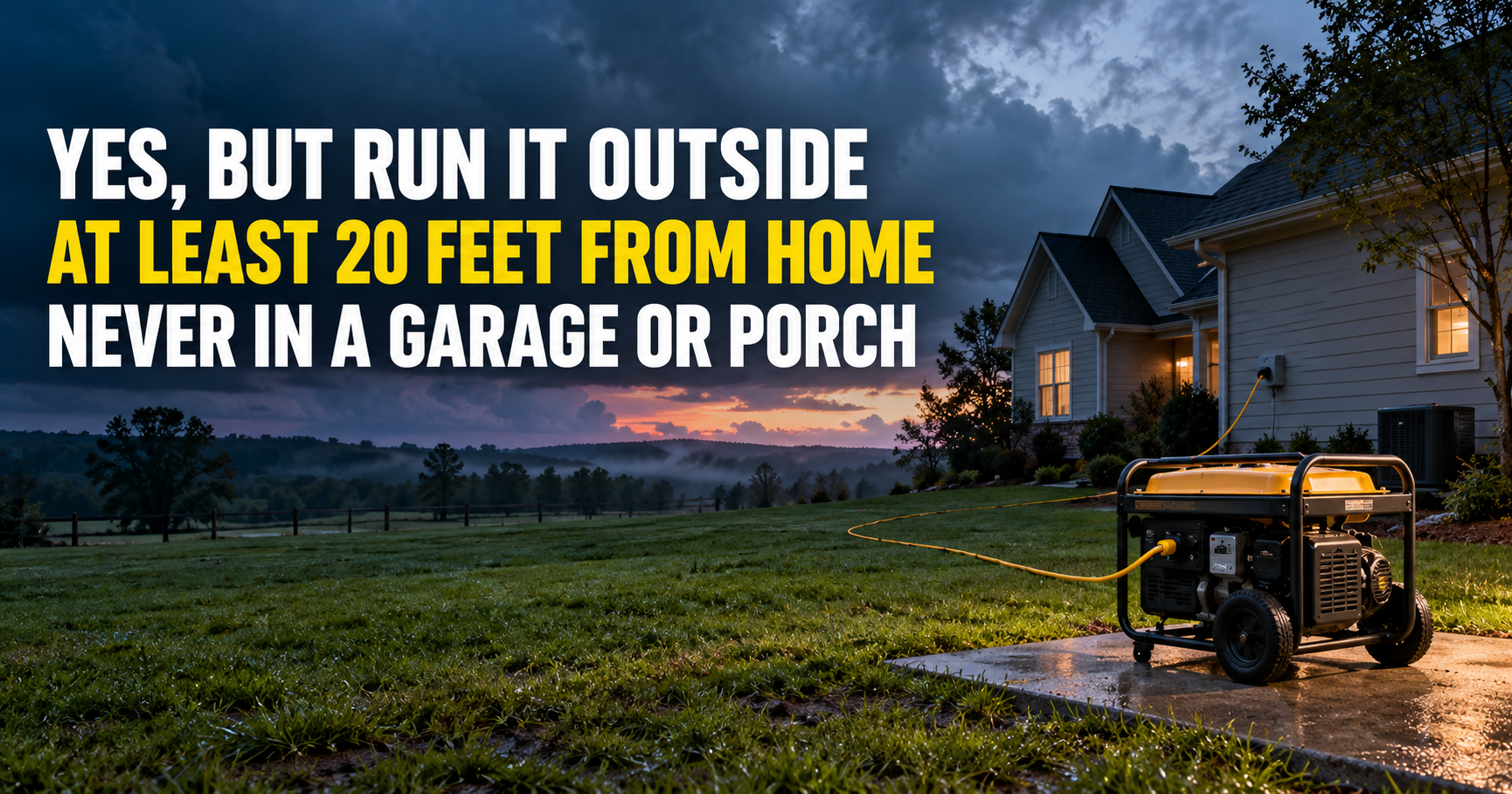
I also put together a separate guide explaining how I run a refrigerator from a portable generator.
Those two pieces work together.
I want safe food.
I also want to conserve fuel.
A Full Freezer Gives Me Even More Breathing Room
A full freezer can hold its temperature far longer than a refrigerator when I leave the door closed.
That matters.
If the freezer is safely cold, I don’t necessarily need to spend fuel continuously powering it just because the utility electricity is off.
I monitor temperatures and make decisions from there.
This is another reason I like appliance thermometers.
They turn a guess into information.



I Make Each Generator Run Do Several Jobs
This is one of my favorite ways to stretch fuel.
If I’m starting the generator to cool the refrigerator and freezer, I don’t waste the opportunity.
While it’s running, I’ll also recharge things such as:
- Phones
- Power banks
- Rechargeable flashlights
- Emergency radio
- Other necessary battery-powered equipment
Then those devices can continue working after I shut the generator down.
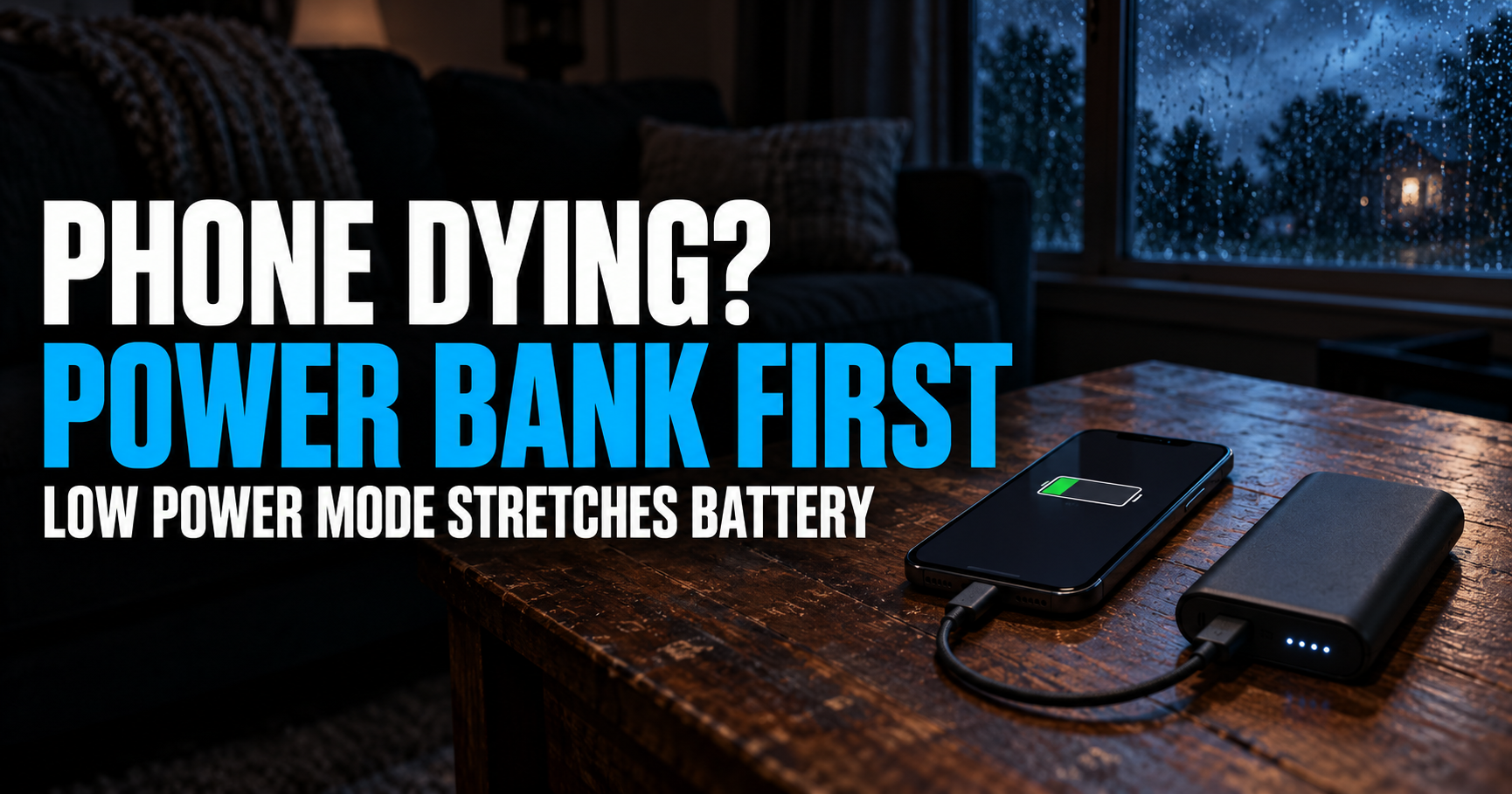
I’ve explained my charging setup in how I keep my phone charged during a power outage.
That’s the kind of overlap I want in my emergency system.
One gallon of gasoline should solve more than one problem.
I Think in Jobs Instead of Hours
This is probably the easiest way to explain my approach.
Instead of saying:
“I’m running the generator for six hours.”
I think:
“I’m running the generator long enough to get the refrigerator and freezer where I want them, recharge my batteries, handle the other necessary loads, and accomplish what needs to be done.”
Then I reassess.
That’s much more useful than following an arbitrary schedule somebody posted online.


The Generator Manual Still Gets the Last Word
This is important.
Different generators have different engines, fuel systems, capacities, maintenance schedules, duty expectations, and operating instructions.
I don’t override the manufacturer because somebody on the internet said their generator ran nonstop for five days.
If the manufacturer specifies operating limitations, maintenance intervals, oil checks, or shutdown requirements, I follow them.
My generator is emergency equipment.
I want it working on day four just as much as I want it working on day one.
I Check Oil During Long Outages
People focus heavily on fuel and sometimes forget the engine has oil.
During an extended outage, engine hours can accumulate surprisingly fast.
I want to know the manufacturer’s oil-check and oil-change schedule before I’m 36 hours into a blackout.
I also keep the correct oil available.
Having 20 gallons of gasoline doesn’t help much if I discover the generator needs an oil change and I don’t have any oil.
That’s exactly the kind of small preparedness failure I try to prevent beforehand.

Fuel Determines a Lot of My Runtime Strategy
Let’s say I have enough gasoline to run my generator continuously for a limited period.
Now imagine the outage lasts twice that long.
That’s a problem.
If instead I use the generator strategically, that same fuel supply may stretch considerably farther.
That’s why I start conserving before fuel becomes scarce.
If electricity comes back early, great.
I have extra gasoline.
If it doesn’t, I’m glad I didn’t burn through everything during the first night.
I Don’t Assume Gas Stations Will Save Me
A widespread blackout affects more than houses.
Gas stations need electricity too.
Even when stations have backup power, everybody else may be trying to buy fuel at the same time.
Lines form.
Supplies disappear.
Road conditions may be poor.
I don’t want my entire generator plan to be:
“I’ll just go buy more gas.”
Maybe I can.
Maybe I can’t.
Preparedness means having another answer.

This Is Why Generator Efficiency Matters to Me
The biggest generator isn’t automatically the generator I want.
If I’m primarily powering essential household loads, a smaller efficient generator may use considerably less fuel than a huge unit designed to power much more equipment.
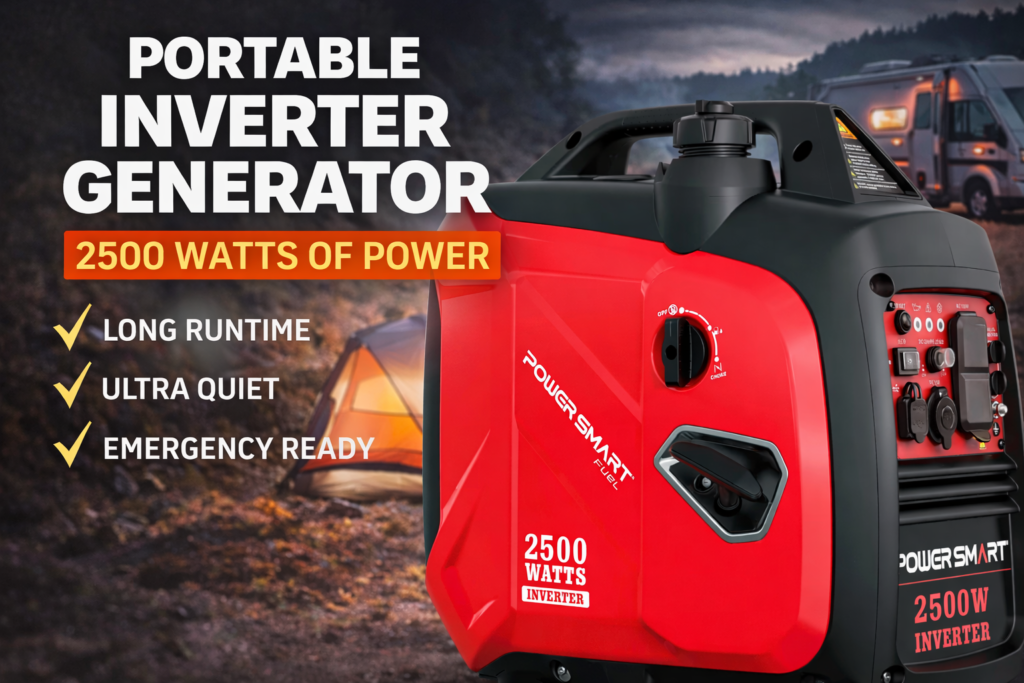
That’s one reason I’ve looked closely at the portable inverter generator I like for basic outage backup.
The PowerSmart model we’ve featured is a 2,500-watt-class inverter generator, which puts it in a useful range for people trying to run selected essentials rather than an entire electric household.
Want to See the Generator I’m Talking About?
If your plan revolves around refrigeration, charging, lighting, and selected essentials, this is the generator I’d compare against your actual wattage needs.
Check the PowerSmart 2500-watt inverter generator on Amazon
I still calculate my own appliance loads before buying. The product doesn’t replace that step.
I Don’t Run the Generator Just to Charge One Phone
This is where smaller backup systems earn their place.
If my refrigerator is safely cold and everything else is okay, I’m not firing up a gas engine because my phone dropped to 55%.
That’s what power banks are for.
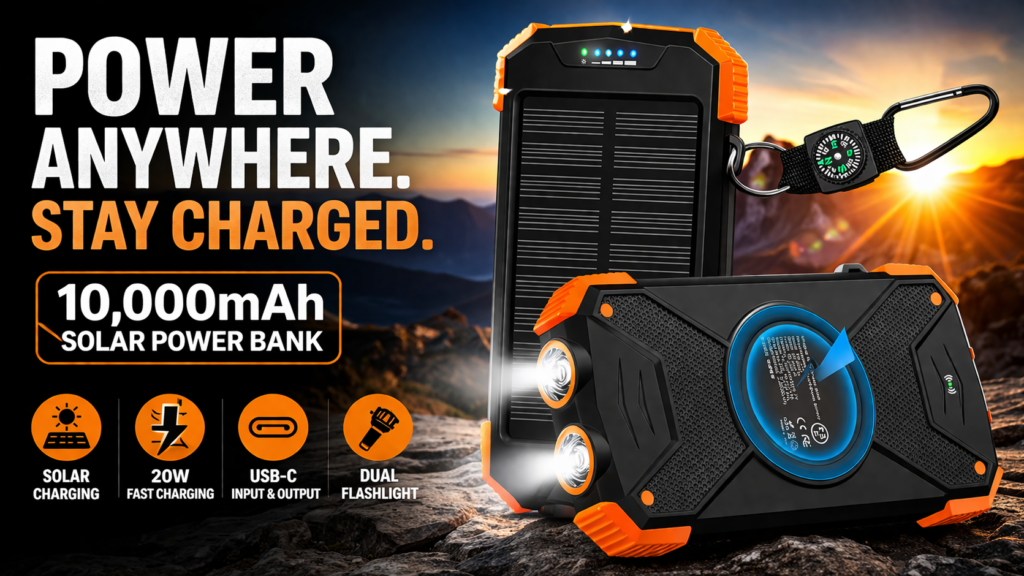
I already use a portable solar power bank as another charging layer.
I save generator runtime for jobs that justify running an engine.
Then I recharge the power bank the next time the generator is running anyway.
The Emergency Radio Reduces Another Electrical Load
Same idea here.
I don’t need a television running continuously just to get information.
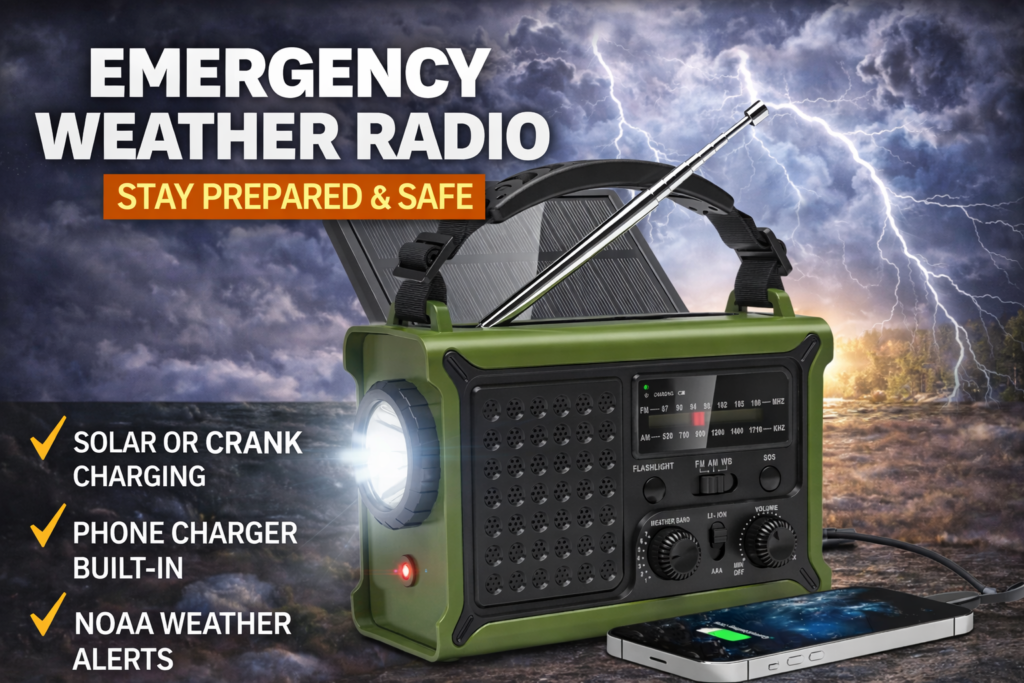
A dedicated emergency weather radio gives me another way to monitor conditions without keeping larger equipment powered.
Small changes like that matter when I’m trying to stretch a limited fuel supply across several days.
Medical Equipment Changes Everything
This is one situation where I don’t casually recommend cycling generator power.
If somebody depends on electrically powered medical equipment, that equipment needs a specific backup-power plan based on the device and medical guidance.
Some equipment may require continuous electricity.
Some may have battery backups.
Some situations may require leaving the home if reliable power can’t be maintained.
That’s a completely different priority from keeping frozen pizza cold.
I build the generator plan around life safety first.
A Well Pump Can Change My Schedule Too
Homes on municipal water may still have running water during an electrical outage.
A private well usually changes the situation because the pump requires electricity.

Now generator runtime may also be how I:
- Refill pressure tanks
- Fill drinking-water containers
- Handle sanitation needs
- Restore normal water use temporarily
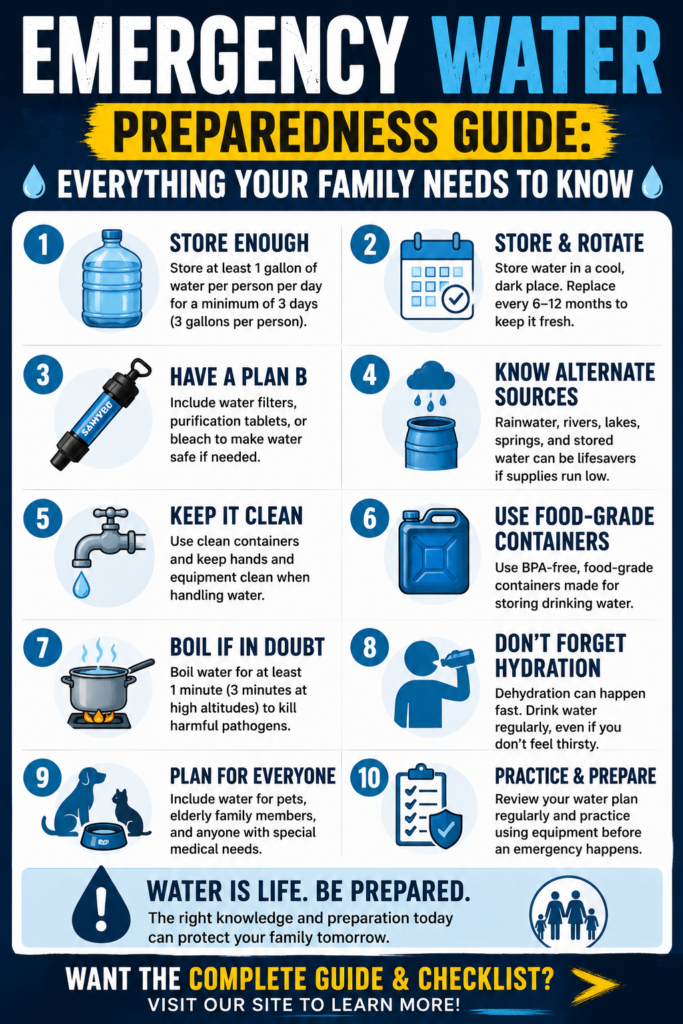
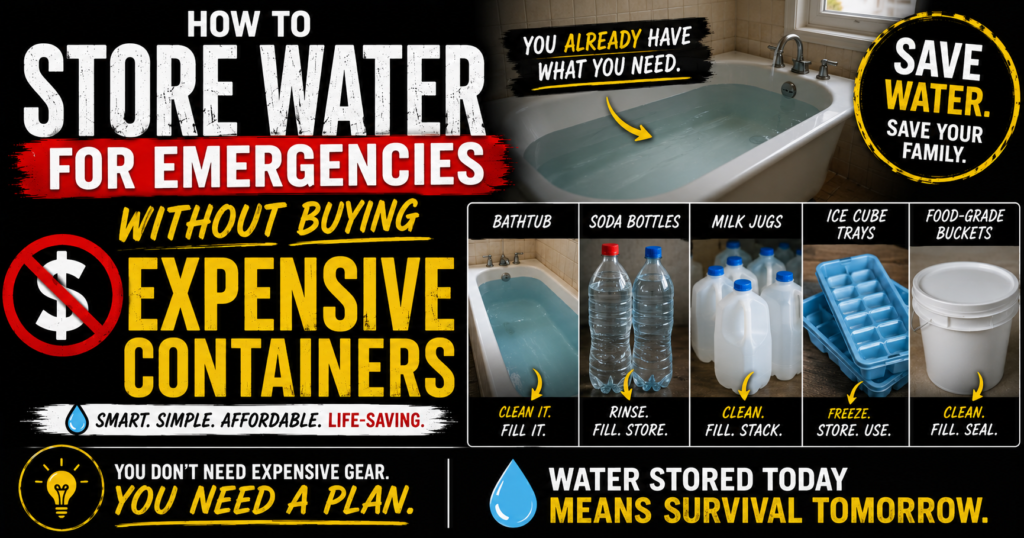
That’s one reason my power-outage planning connects so closely with our emergency water preparedness guide.
I don’t want to discover during an outage that electricity and water were actually the same problem at my house.
I Don’t Overload the Generator Trying to Save Runtime
There’s a temptation to think:
“If I’m running it anyway, I’ll plug everything in.”
That’s not what I mean by making each generator run useful.
I still respect the generator’s rated output and the startup requirements of motor-driven appliances.
Refrigerators, freezers, pumps, and other motors can briefly demand more power when they start.
If necessary, I stagger equipment instead of letting everything start at once.
I would rather run the generator slightly longer than overload it trying to accomplish everything simultaneously.
The Generator Always Stays Outside
My runtime strategy never changes this rule.
The generator stays outdoors and away from the house.
I don’t move it into the garage because it’s cold.
I don’t move it into the garage because it’s raining.
I don’t move it onto an enclosed porch because I’m tired of hearing it.
Carbon monoxide doesn’t care how inconvenient the weather is.
I want working carbon monoxide alarms inside the house too.
I Shut It Down Before Refueling
I don’t pour gasoline into a running generator.
I shut it down.
I let it cool according to the manufacturer’s instructions.
Then I refuel safely.
That shutdown isn’t wasted time.
If I’ve planned correctly, my refrigerator and freezer aren’t suddenly becoming unsafe because the generator stopped for a while.
Again, that’s why I think about the entire system instead of obsessing over continuous runtime.
I Keep the Generator Dry Without Enclosing It
Power outages often happen during bad weather, which creates an obvious problem.
Generators need outdoor ventilation, but electricity and water don’t mix.
I want my weather-protection setup figured out before the storm.
I don’t throw the generator inside an enclosed shed or garage because rain started falling.
Whatever protection I use needs to follow the generator manufacturer’s requirements while still allowing safe ventilation.
Noise Matters More on Day Three Than Hour Three
This isn’t usually discussed in generator buying guides.
A loud generator running outside for several days can become exhausting.
It can also announce to everyone nearby that I have:
- Electricity
- Fuel
- A generator
That’s another reason I don’t necessarily run one continuously when nothing important needs power.
Quiet periods are nice.
Fuel savings are nice.
Fewer engine hours are nice.
Nighttime Is When I Really Think About Whether It Needs to Run
If everything is safely cold, batteries are charged, and there isn’t an essential overnight load, I ask whether running the generator all night accomplishes anything important.
Sometimes the answer is yes.
Sometimes it’s no.
Weather matters.
Equipment matters.
Medical needs matter.
Food temperatures matter.
There isn’t a universal answer.
That’s exactly why I don’t follow an arbitrary generator schedule.
Extreme Heat Can Mean More Runtime
A refrigerator sitting in a hot house will gain heat faster than one sitting in a cool house.
The same goes for freezers in hot garages.
So my generator strategy may change significantly during a summer outage.
This is where thermometer readings matter more than the clock.
If food temperatures are climbing rapidly, I respond to the temperature.
I don’t say, “Well, my schedule says the generator stays off another two hours.”
The plan serves the situation, not the other way around.
Extreme Cold Creates Different Problems
Winter can reduce some refrigeration concerns, but it introduces much bigger problems involving heat and frozen plumbing.
I don’t assume I can simply put refrigerated food outside either. Outdoor temperatures fluctuate, animals can reach food, and direct sunlight can warm items even when the air feels cold.
My winter outage strategy is its own system.
I’ve already covered how I prepare for winter weather power outages.
Generator runtime in January may be determined more by heating systems and water equipment than by my refrigerator.
What If I Have a Large Whole-House Generator?
That’s a different setup from the portable generators I’m mainly discussing here.
Automatic standby generators may be designed to handle outages very differently.
They can start automatically and may run for extended periods depending on fuel supply, load, maintenance requirements, and manufacturer specifications.
If I owned one, I would follow that system’s maintenance and operating requirements.
I wouldn’t apply my portable-generator fuel strategy blindly to a permanently installed standby system.
I Keep a Simple Generator Log During Long Outages
This is something I’d recommend once an outage becomes serious.
Nothing fancy.
I note:
- When I started it
- When I shut it down
- Fuel added
- Approximate engine hours
- Oil checks
- Maintenance performed
After two or three days of disrupted sleep, unusual routines, and constant little problems, it’s easy to forget details.
A simple notebook solves that.
It also teaches me how much fuel my real setup actually uses.
That information makes my next outage plan better.
I Want to Know My Fuel Burn Before the Emergency
Manufacturer estimates are useful.
My real-world load is even more useful.
On a normal day, I can test the generator with the equipment I expect to run.
Then I learn roughly:
- How much fuel I’m actually using
- How long a tank lasts
- Whether the generator handles startup loads comfortably
- How loud the setup is
- Whether my cords reach
- What equipment can run together
That’s much better than learning everything at midnight during an ice storm.
My Long-Outage Strategy Is About Stretching Resources
Once I’m looking at multiple days without power, generator management becomes part of a much bigger problem.
I’m thinking about:
Fuel.
Food.
Water.
Heat.
Communication.
Lighting.
Sanitation.
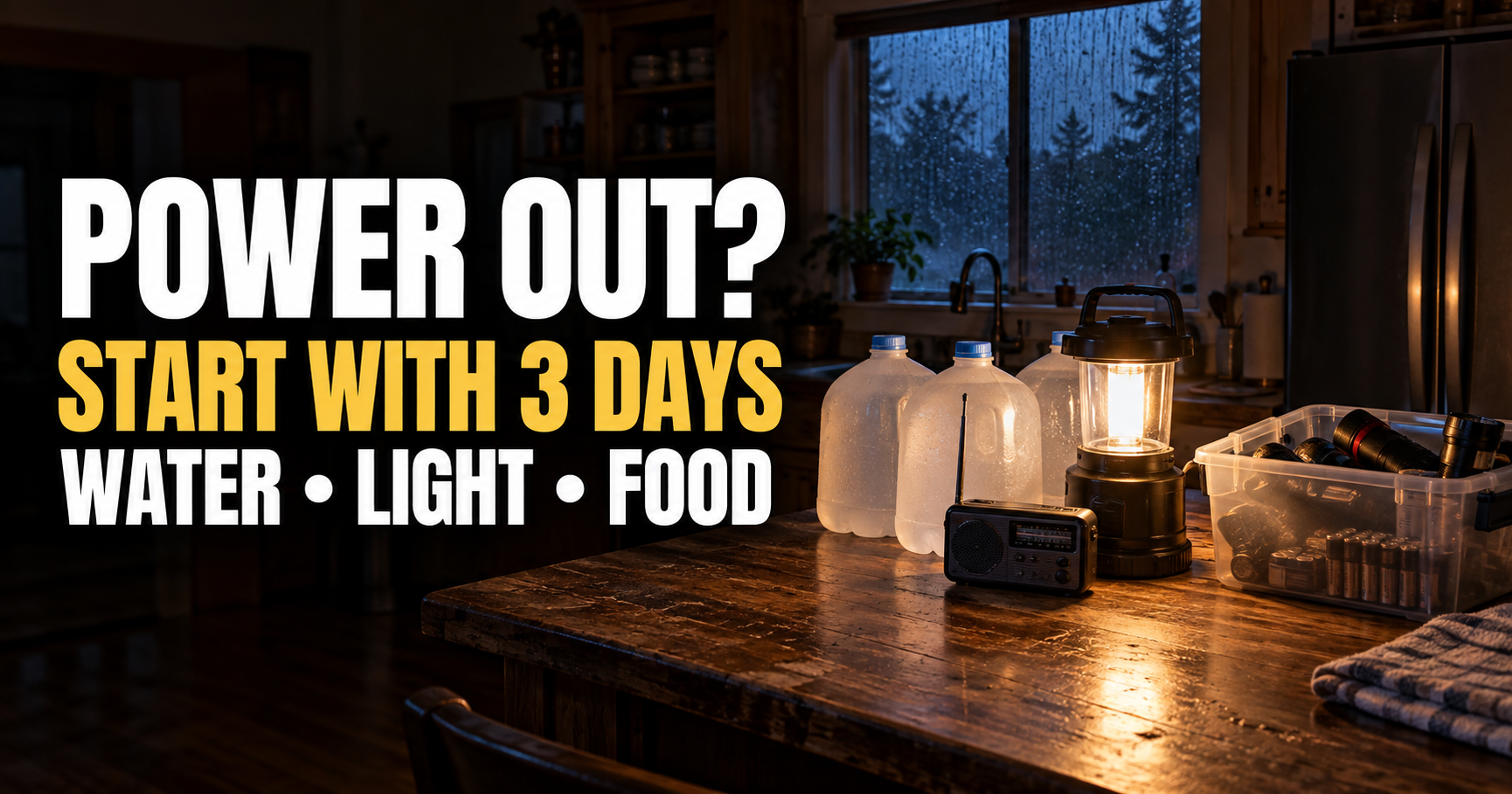
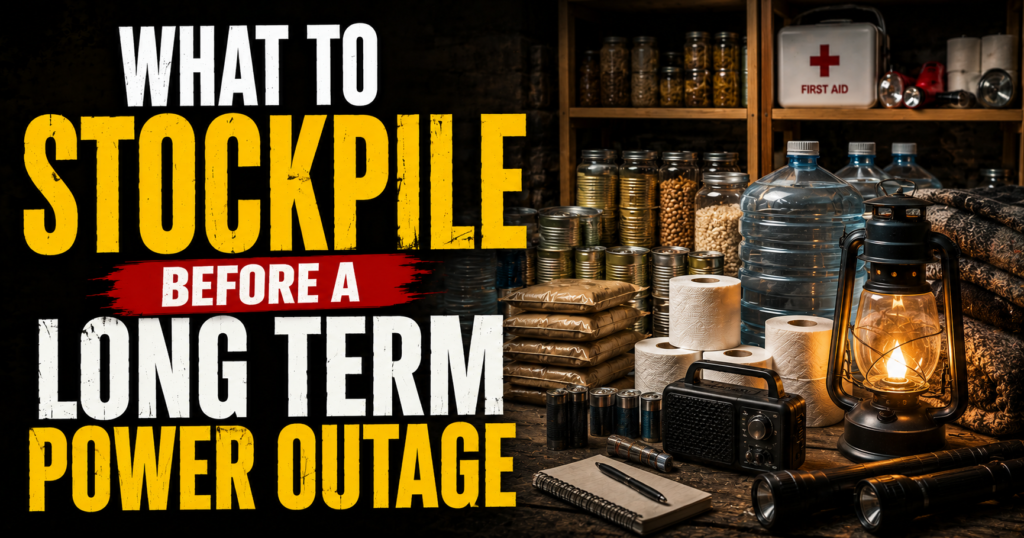
I’ve already laid out how those pieces fit together in how I prepare for a long blackout.
The generator is incredibly useful.
But it’s still only one part of the system.
So How Long Do I Actually Run Mine?
Long enough to accomplish the jobs that need electricity while staying within the generator manufacturer’s operating and maintenance requirements.
That’s my answer.
Sometimes that may mean a substantial continuous run.
Sometimes I may be able to shut it down for hours while the refrigerator and freezer remain safely cold and my batteries are charged.
If a medical device or another critical load needs uninterrupted electricity, the situation changes completely.
I don’t use an internet timer.
I use:
- Actual appliance temperatures
- Actual electrical needs
- Actual fuel availability
- Actual weather conditions
- The generator’s operating instructions
That’s a much better way to manage limited backup power.
Make Every Gallon of Fuel Earn Its Keep
During a long blackout, I don’t know exactly when the grid will return.
That’s why I treat fuel like stored water or emergency food.
I don’t waste it early because more might be available tomorrow.
When my generator is running, I want it protecting food, operating necessary equipment, pumping water if needed, and recharging the batteries that will carry me through the next quiet period.
Then, when the important jobs are finished and my situation allows it, I’m comfortable shutting the engine down.
That’s not being stingy with electricity.
That’s making sure my backup power lasts as long as the emergency does.
About the Author
Caleb Mercer writes about generators, blackout preparedness, backup power, emergency communications, and practical ways to keep a household functioning when utilities fail. His work for the Survive Essentials Power Outages and Backup Power section focuses on using emergency equipment as part of a realistic system rather than assuming owning a generator automatically means being prepared.