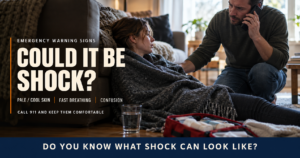
Shock is one of those words people use casually.
Someone gets scared and says, “I’m in shock.”
Medical shock is something completely different.
It’s a life-threatening condition where the circulatory system isn’t delivering enough oxygen-rich blood to the body’s tissues and organs. Without treatment, organs can begin to fail.
That’s why I don’t wait for someone to pass out before taking it seriously.
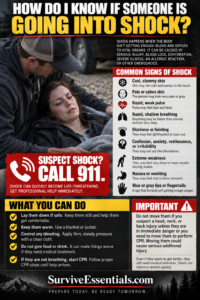
If a person has suffered a major injury, significant blood loss, severe burn, allergic reaction, or another serious illness and suddenly starts looking pale, weak, clammy, confused, or unusually restless, shock is something I want in the back of my mind.
Shock Can Happen After Several Different Emergencies
Heavy bleeding is probably the example most people think about.
Lose enough blood and the body can’t circulate what it needs.
But that’s not the only cause.
Shock can develop from severe burns, dehydration, major infection, severe allergic reactions, trauma, drug overdose, and other serious conditions.
So I don’t think of shock as its own isolated emergency.
I think of it as something that can develop because another serious emergency is already happening.
Heavy Bleeding Is One of the Big Reasons I Watch for It
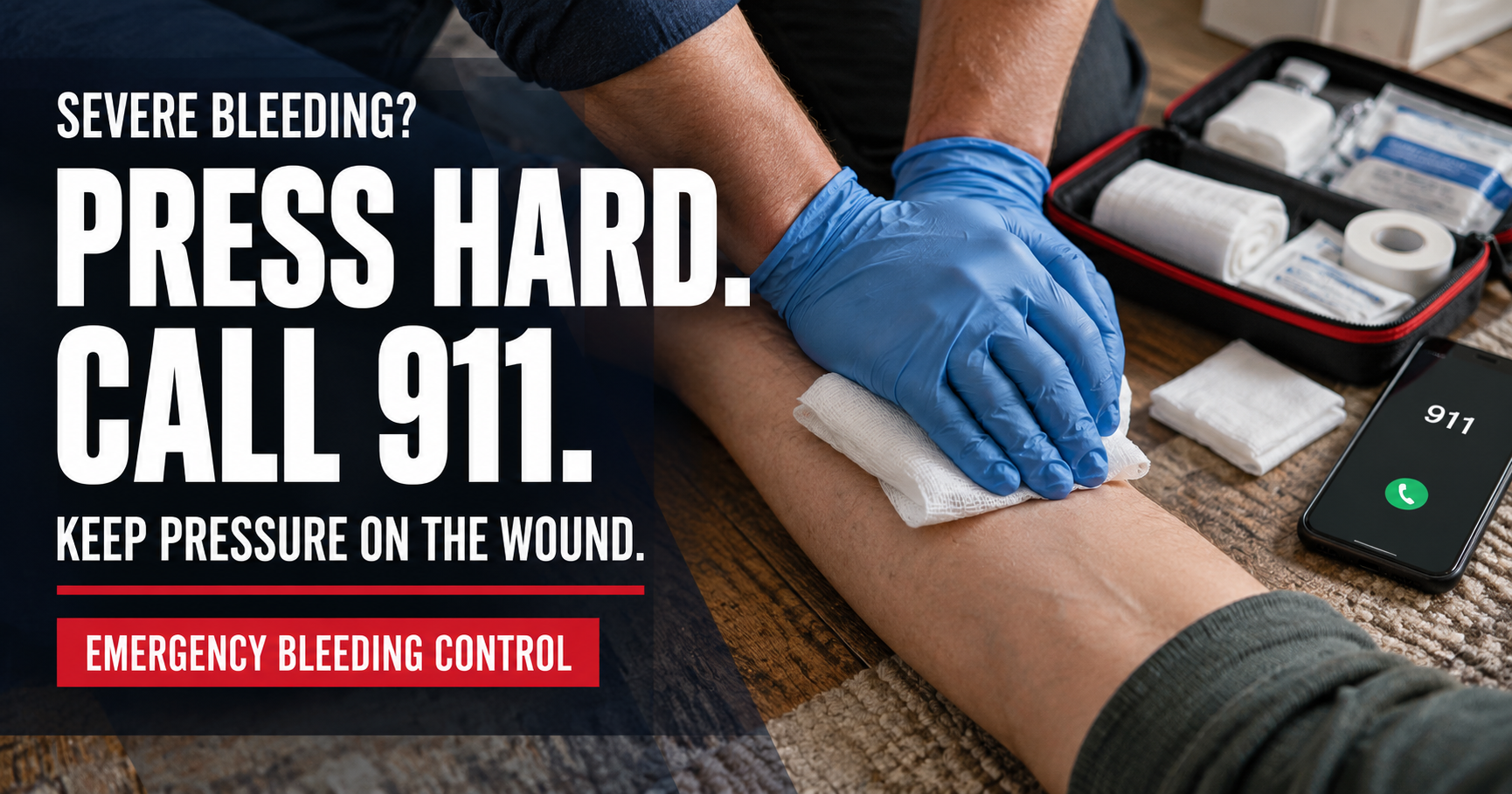
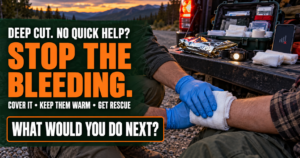
We’ve already covered how I stop heavy bleeding during an emergency.
That article and this one belong right beside each other.
The bleeding may be controlled, but the person may have already lost a dangerous amount of blood.
Stopping the bleeding doesn’t instantly replace that blood.
That’s why I keep watching the person after the obvious bleeding problem appears controlled.
Pale, Cool, or Clammy Skin Gets My Attention
One of the classic warning signs is a change in the person’s skin.
The Red Cross lists skin that becomes pale, gray, cool, or moist among the signs of shock. Mayo Clinic similarly lists cool, clammy and pale or ashen skin.
That’s especially meaningful when it follows a serious injury.
Someone who looked normal ten minutes ago and is now pale, sweaty, and weak is telling me something has changed.
A Rapid, Weak Pulse Is Another Warning
Shock can cause the heart to beat rapidly as the body tries to compensate for poor circulation.
The pulse may also feel weak.
The Red Cross specifically lists a rapid, weak heartbeat as a sign requiring immediate emergency medical treatment.
I don’t need to become obsessed with counting an exact pulse rate.
I’m looking at the entire pattern.
Serious injury.
Pale and clammy.
Weak.
Breathing quickly.
Rapid weak pulse.
Now I’m very concerned.
Breathing May Become Fast and Shallow
Mayo Clinic lists rapid, shallow breathing among the symptoms of shock, while the Red Cross identifies rapid breathing as another emergency warning sign.
Again, I don’t isolate one symptom.
Someone can breathe quickly because they’re frightened or in pain.
But rapid breathing combined with a serious injury, blood loss, weakness, pale skin, and confusion is a much different picture.
Confusion Can Be a Major Clue
A person doesn’t have to become unconscious before something is seriously wrong.
Shock can cause confusion, restlessness, anxiety, irritability, or a reduced level of responsiveness.
That’s why I keep talking to someone after a significant injury.
What’s your name?
Do you know where you are?
Can you tell me what happened?
I’m not giving them a medical exam.
I’m paying attention to whether they’re becoming less alert or their behavior is changing.

Extreme Weakness or Dizziness Matters Too
Mayo Clinic lists extreme weakness, dizziness, and fainting among possible symptoms of shock.
If someone who was talking normally after an injury suddenly says:
“I feel like I’m going to pass out.”
I don’t tell them to stand up and walk it off.
I get them into a safe position and treat the situation seriously.
Thirst Can Be Part of Shock
This one surprises people.
The Red Cross lists excessive thirst among the possible signs of shock.
But here’s the important part:
That doesn’t mean I give the person something to drink.
The Red Cross advises not giving food or drink to someone in shock because it increases the risk of vomiting and aspiration.
So even if they’re asking repeatedly for water, I wait for professional medical guidance.


If I Think Someone Is in Shock, I Call 911
This isn’t something I monitor at home for a couple of hours to see whether it improves.
Shock is life-threatening.
The Red Cross says someone showing signs and symptoms of shock needs immediate medical attention.
I call 911 or have someone else call.
Then I focus on keeping the person safe while professional help is coming.
I Deal With the Cause When I Can
Shock isn’t the underlying injury.
Something caused it.
If the person is bleeding heavily, I control the bleeding.
If a severe allergic reaction is happening and an appropriate prescribed epinephrine autoinjector is available, that underlying emergency needs attention.
If the person has a major burn, that injury is part of the emergency.
The Red Cross recommends providing care for the condition causing shock within the responder’s level of training.
That’s an important distinction.
I’m not “treating shock” while ignoring the blood pouring out of someone’s leg.
Serious Bleeding Still Gets Controlled Immediately
This is why the articles in this cluster build on each other.
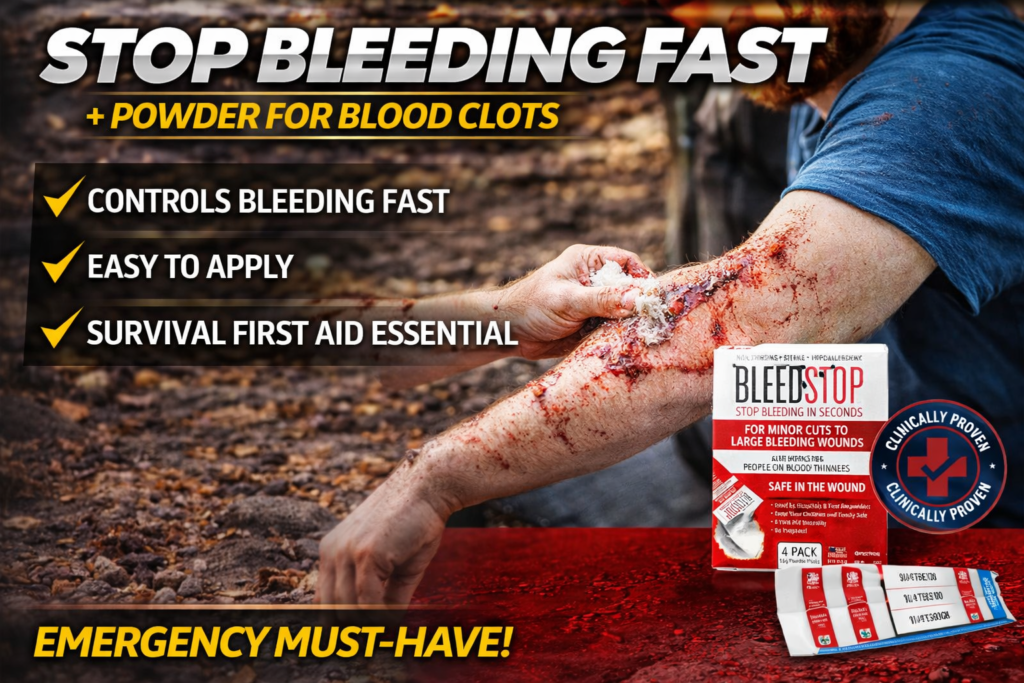
If someone is bleeding heavily, direct pressure and other appropriate bleeding-control methods remain critical.
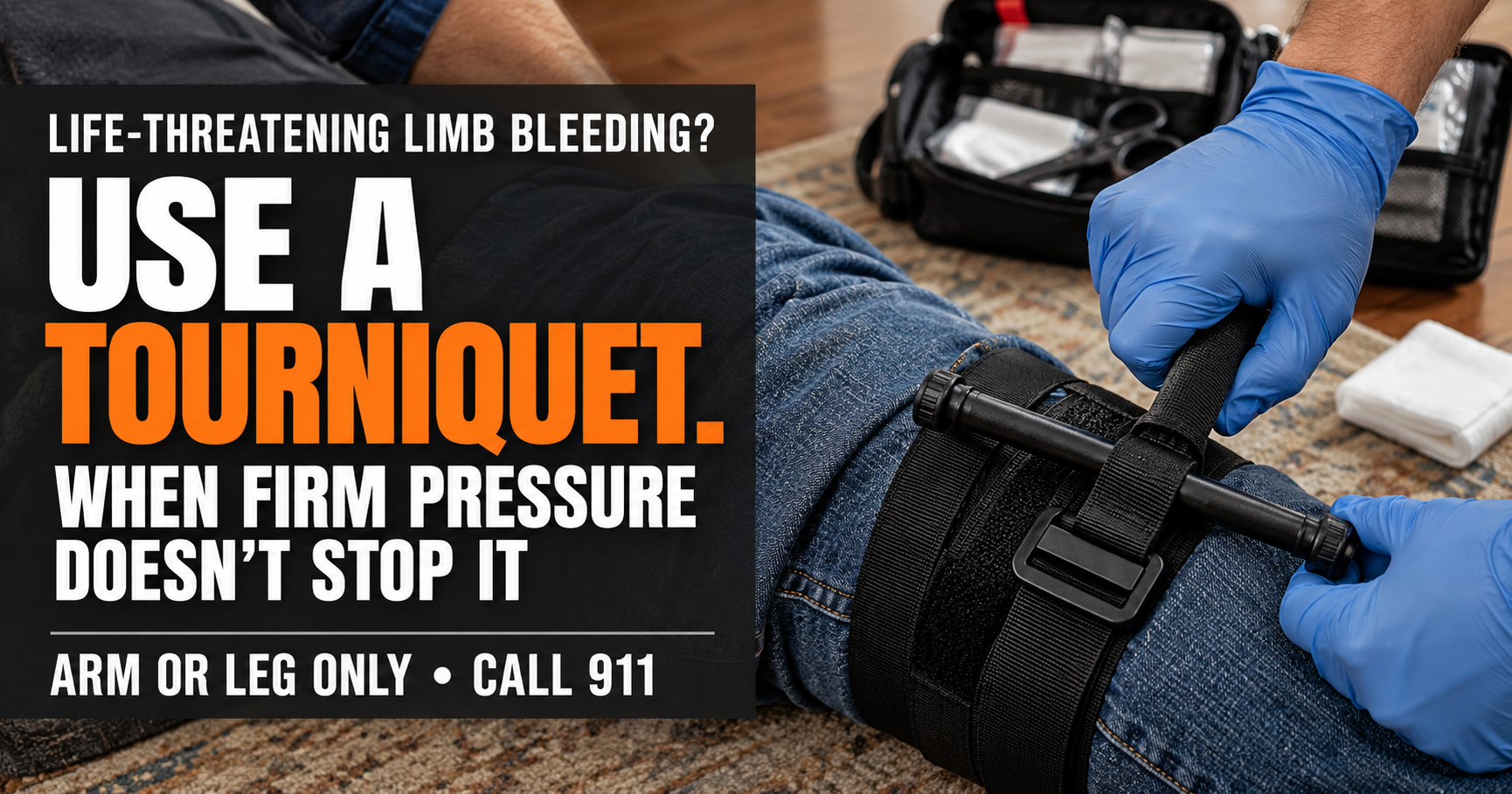
For catastrophic arm or leg bleeding, our guide on when a tourniquet may be needed covers that specific situation.
Shock makes stopping the source of blood loss even more urgent.
I Have the Person Rest
If shock is suspected, I don’t have the person walking around.
The Red Cross recommends having the person lie flat on their back unless that position causes discomfort or breathing difficulty. If there’s a suspected head, neck, or back injury, they should generally remain in the position found unless movement is necessary for safety, CPR, or bleeding control.
That’s a much more useful rule than automatically moving every injured person into the same position.
What About Raising Their Legs?
This is one of those first-aid rules many of us remember from years ago.
Current guidance is more nuanced.
The Red Cross says that if there’s no evidence of trauma or injury, the person’s feet may be raised about 6 to 12 inches unless another position is better for comfort or breathing. Mayo Clinic similarly says the legs may be slightly elevated unless doing so causes pain, injury, or breathing trouble.
So I don’t automatically throw someone’s legs into the air after a car crash or possible fracture.
The injuries matter.
I Keep Them From Getting Cold
A person in shock can become cold.
The Red Cross recommends maintaining body temperature and covering someone who’s getting cold with a blanket.
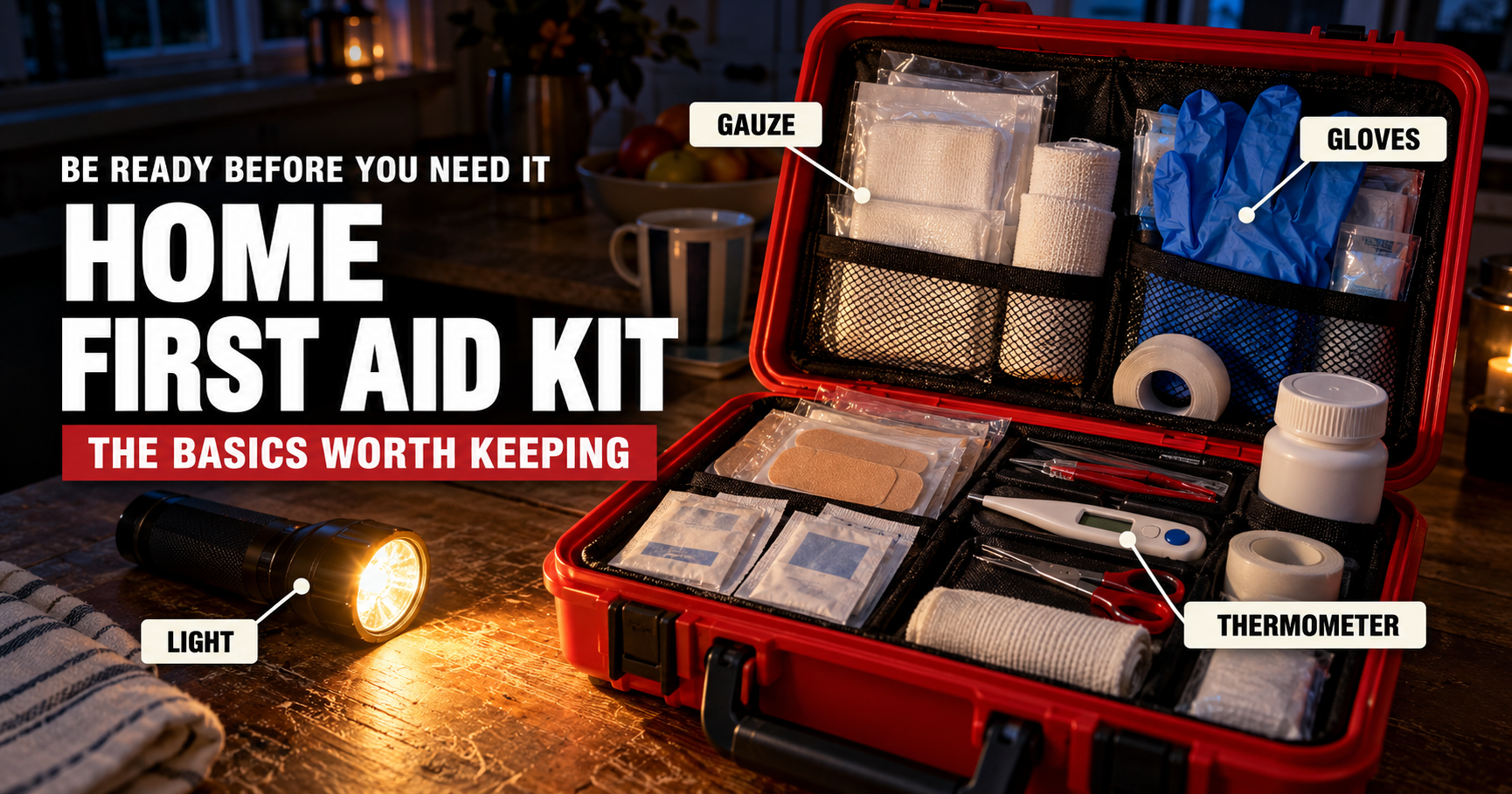
That’s another reason an emergency blanket belongs in the home emergency first aid kit.
It’s inexpensive.
It takes very little room.
And it can become useful during several different emergencies.
But I Don’t Overheat Them Either
Maintaining body temperature works both ways.

If someone is already hot, I don’t pile blankets on them because “shock means blanket.”
The Red Cross specifically says to prevent the person from becoming too cold or overheated.
First aid works better when I respond to the actual person rather than blindly following a memorized trick.
I Loosen Restrictive Clothing When Appropriate
Mayo Clinic recommends keeping someone in shock still and comfortable and loosening tight clothing.
I’m not stripping someone down unnecessarily.
I’m simply making sure tight clothing isn’t adding discomfort or interfering with breathing.
I Stay With Them
Once 911 has been called and immediate problems are being addressed, I keep monitoring.
Are they still answering me normally?
Is breathing changing?
Are they becoming more confused?
Are they vomiting?
Are they becoming unconscious?
The Red Cross recommends continuing to monitor the person’s condition and watching for changes in consciousness.
That’s something I can do without any special equipment.
If They Vomit, Airway Safety Matters
Vomiting creates another problem if someone is becoming less responsive.
Mayo Clinic advises turning the person onto one side if they’re vomiting or bleeding from the mouth when a spinal injury isn’t suspected, to help prevent choking.
If a head, neck, or spinal injury is suspected, I avoid unnecessary movement and follow emergency-dispatch instructions.
Again, the whole injury matters.
If They Stop Breathing Normally, the Emergency Changes Again
If the person becomes unresponsive and isn’t breathing normally, I’m no longer simply monitoring shock.
That’s a cardiac-arrest emergency.
I call or confirm 911 has been called, get an AED if available, and begin CPR according to my training.
This is exactly why CPR and AED training belong beside first-aid training.
A stocked bag can’t perform CPR for me.
Internal Bleeding Can Cause Shock Without a Dramatic External Wound
This is a particularly important thing to remember after major trauma.
Someone can be bleeding internally.
The Red Cross lists warning signs of life-threatening internal bleeding that can include coughing, vomiting, or urinating blood, a tender or swollen rigid area, bruising over the abdomen, chest, or skull, and signs of shock.
If someone took a hard hit and starts showing shock symptoms even though I can’t see much blood, I don’t let the lack of an open wound reassure me.
A Possible Broken Bone Can Come With Shock Too
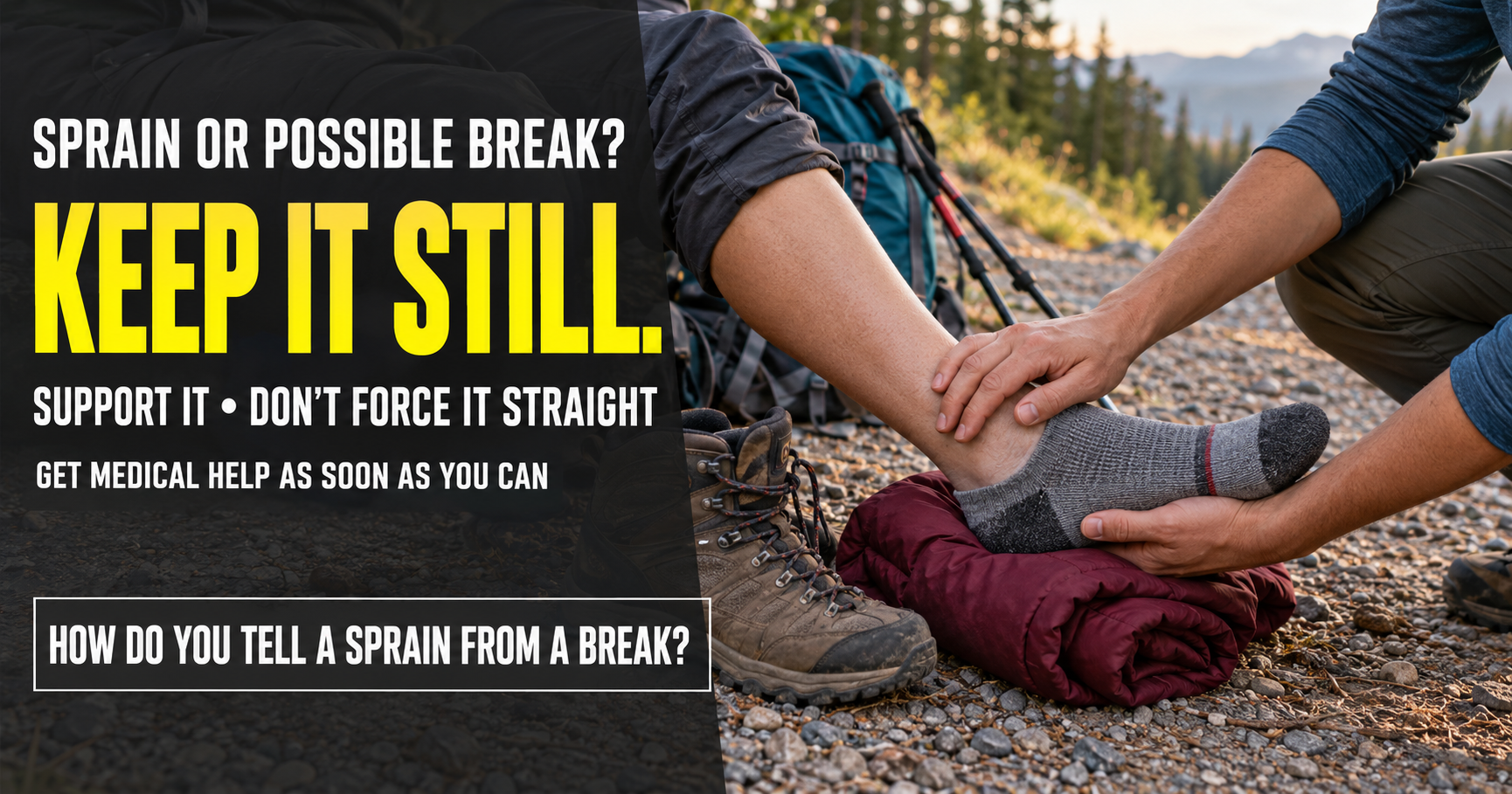
The sprain and possible broken-bone article we just finished connects directly here.
The Red Cross specifically lists signs of shock among the emergency warning signs accompanying muscle, bone, and joint injuries.
A major fracture can involve blood loss and other trauma.
That’s another reason I look at the whole person rather than focusing only on the obviously injured arm or leg.
Burns Can Lead to Shock Too
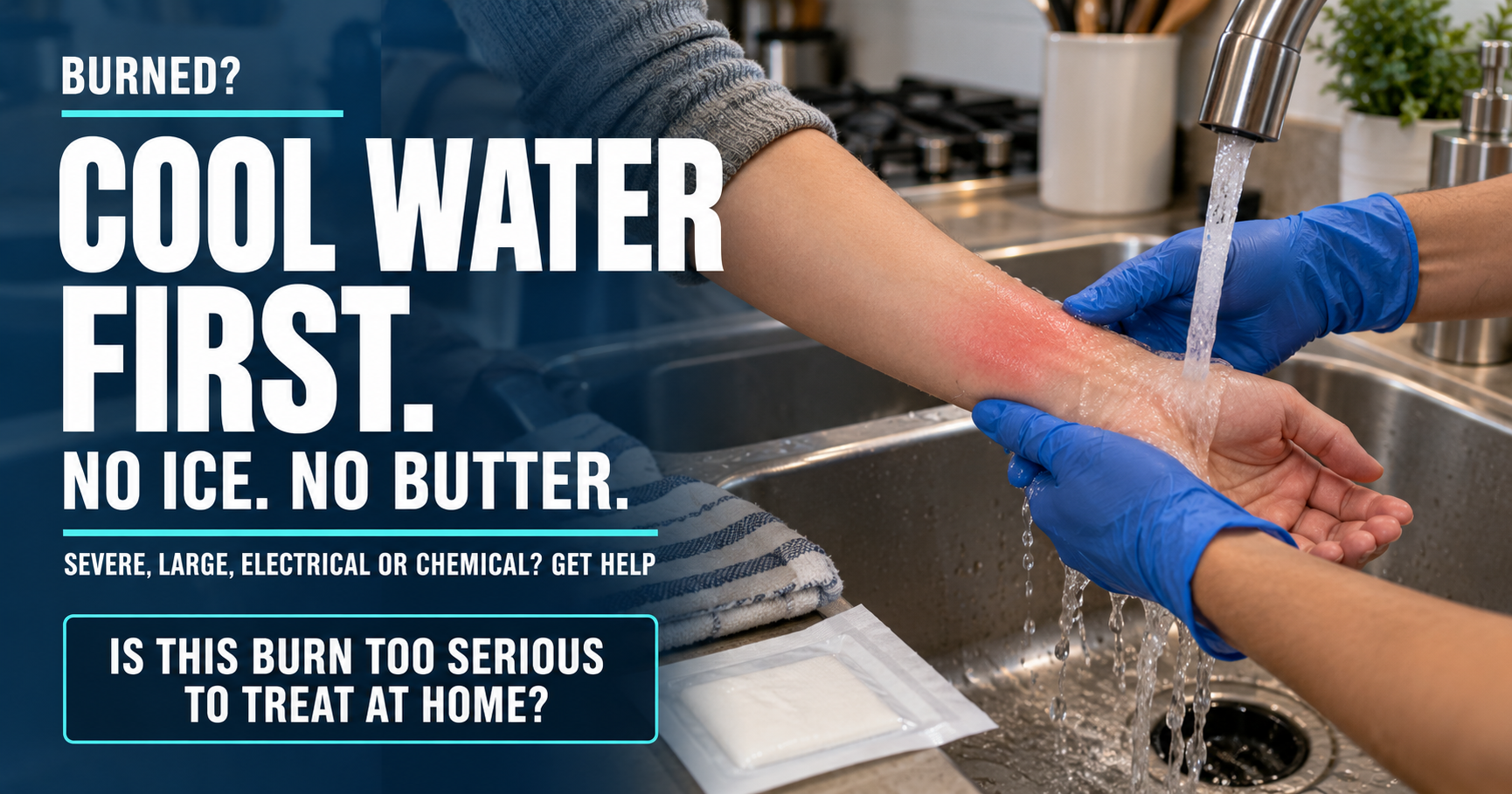
The same connection exists with our burn first-aid guide.
Severe burns can contribute to shock, and Mayo Clinic specifically tells first-aid providers to watch major-burn patients for cool pale skin, a weak pulse, or fast breathing.
Again, these first-aid articles aren’t isolated topics.
The same dangerous patterns can show up across different injuries.
I Don’t Assume Someone Is Fine Because They’re Talking
Adrenaline can make an injured person seem surprisingly functional at first.
They may be talking.
Joking.
Insisting they’re fine.
Then their condition changes.
That’s why I continue watching someone after a significant injury instead of assuming the crisis ended when the bleeding stopped or the splint went on.
Changes matter.
Anxiety Alone Isn’t the Same Thing as Shock
Someone can be frightened after an accident.
They may shake.
Cry.
Breathe quickly.
Feel overwhelmed.
That doesn’t automatically mean they’re in medical shock.
But I don’t dismiss serious physical warning signs as “just panic” either.
If the person has suffered a significant injury or illness and is becoming pale, clammy, weak, confused, less responsive, or otherwise showing the pattern associated with shock, I treat that seriously.
I Reassure Them Without Pretending Everything Is Fine
The Red Cross recommends reassurance because anxiety and pain can increase the body’s stress response.
I can say:
“Help is coming. Stay still. I’m staying right here.”
I don’t need to promise:
“You’re completely fine.”
I may not know that.
Calm and honest is better.
A Power Outage Can Make This Harder
Imagine serious bleeding or a fall during a long blackout.
The house is dark.
Phones are running low.
Roads may be blocked by storm debris.
The first aid kit suddenly matters a lot more.
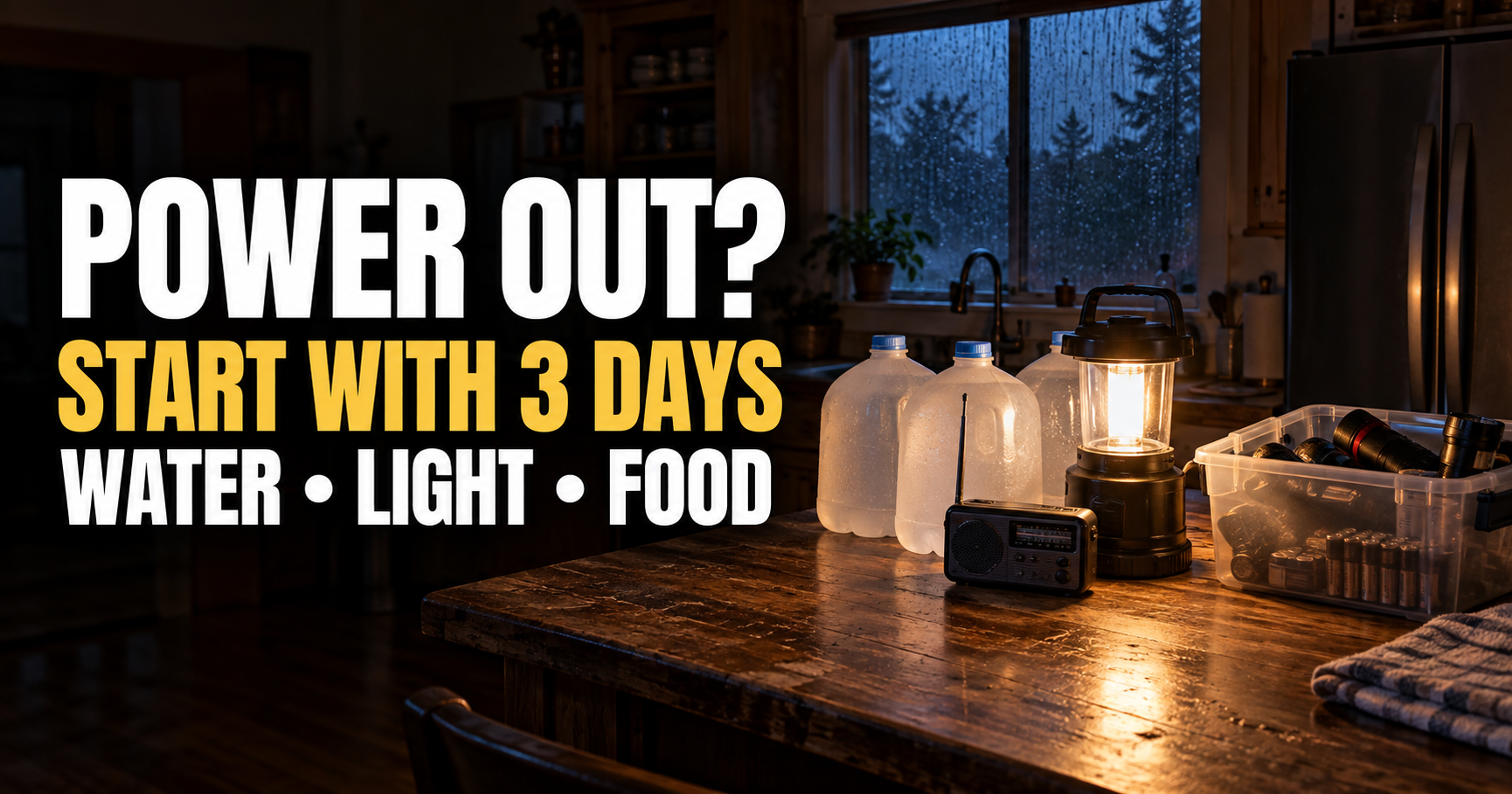
That’s why first aid belongs naturally alongside our long power-outage preparedness plan.
Preparedness isn’t just having electricity.
It’s being able to handle the problems that happen when normal systems aren’t available.
My Simple Shock Checklist
If someone has suffered a serious injury or illness, the things that make me think about shock include:
- Pale, gray, cool, or clammy skin
- Rapid, weak pulse
- Rapid breathing
- Extreme weakness
- Dizziness or fainting
- Confusion or unusual restlessness
- Reduced responsiveness
- Nausea or vomiting
- Excessive thirst
- A serious underlying injury such as major blood loss, trauma, or burns
One symptom by itself doesn’t tell the entire story.
The pattern and circumstances matter.
What I Actually Do
If I think someone is going into shock, I keep it simple.
I call 911.
I address the underlying emergency within my training, such as controlling external bleeding.
I have the person rest in an appropriate position.
I avoid unnecessary movement, especially when head, neck, back, or other significant injuries are possible.
I keep them from getting too cold or overheated.
I don’t give them food or drink.
I stay with them.
I monitor breathing and responsiveness.
And if they stop breathing normally, I move into CPR/AED care according to my training.
That’s enough for me to be useful without trying to diagnose exactly what type of shock is happening.
This Is Another Reason I Want Real First Aid Training
Reading about shock helps me recognize it.
Hands-on first aid training gives me practice responding to an emergency while someone is watching and correcting what I’m doing.
That’s valuable.
The entire point of this first-aid cluster isn’t to convince anyone that reading Survive Essentials replaces training or medical professionals.
It’s to make us better prepared to recognize a serious problem and do useful things during the minutes before those professionals arrive.
With shock, those minutes matter.
About the Author
Grant Holloway writes about practical first aid, bleeding control, wounds, burns, injuries, and emergency medical preparedness for ordinary households. His work for Survive Essentials focuses on recognizing dangerous changes early, taking useful first-aid action while professional help is coming, and building preparedness around skills as much as supplies.