
About the Author
The experience and perspective behind Survive Essentials.
I’m Dax Weaver, the founder of Survive Essentials, an Eagle Scout, husband, father of three, and owner of a small four-acre family farm in rural Missouri.
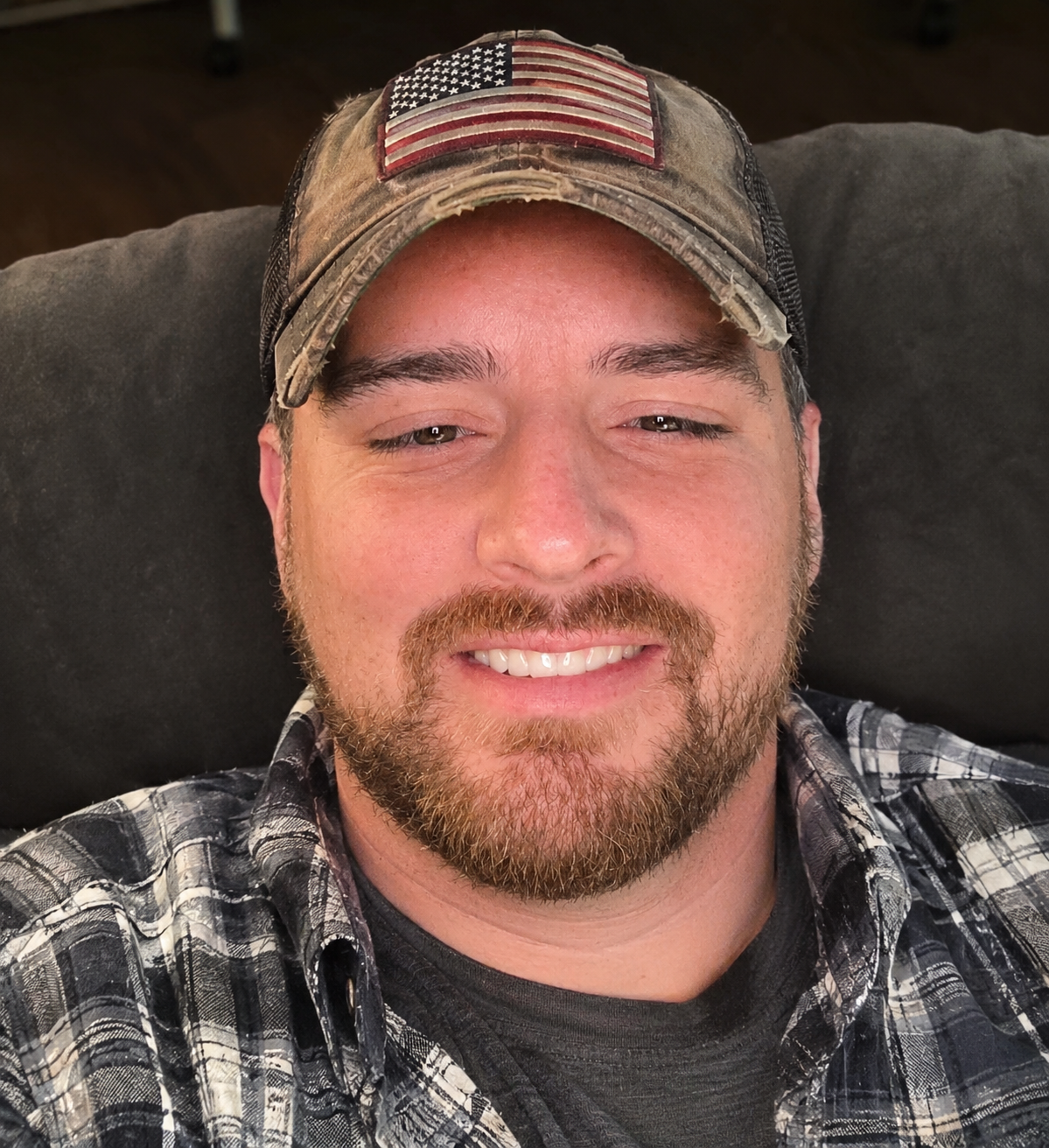
I’ve always believed there’s something important about knowing how to take care of yourself and the people who depend on you.
That doesn’t mean refusing help when you need it.
It means developing the knowledge, skills, and resources to handle more of life’s challenges without being completely dependent on someone else to solve every problem.
My interest in self-reliance goes back to my years in Scouting.
I earned the rank of Eagle Scout at 17, and the lessons I learned along the way helped shape how I approach preparedness today.
I learned to appreciate outdoor skills, planning, responsibility, and the importance of being ready when things don’t go according to plan.
Now I’m raising my own family on a little farm in Missouri, where we grow fruit, raise animals, operate our family nursery, and continue finding ways to provide more of what our household needs.
We certainly aren’t completely self-sufficient.
Not even close.
But every fruit tree we plant, every useful skill we learn, and every emergency plan we improve moves us a little further in that direction.
I created Survive Essentials because I believe ordinary people can become much more prepared and self-reliant than they realize, no matter where they live or how much money they have. That broader goal is reflected throughout the site's more prepared and self-reliant guides.
You don’t need a thousand-acre homestead.
You don’t need a bunker full of survival equipment.
And you don’t need to spend every waking moment worrying about the next disaster.
You need practical knowledge, realistic preparation, and the willingness to start learning.
That’s what I want this website to help people accomplish.
My Interest in Survival Skills Started With Scouting
Some of my earliest lessons about preparedness came from being involved in the Boy Scouts.
Scouting introduced me to outdoor activities, camping, navigation, knots, first aid, responsibility, and problem-solving.
There was something satisfying about learning a skill and then being able to use it.
Instead of simply reading about building a shelter or planning a camping trip, you had opportunities to practice outdoor skills.
You learned that the weather doesn’t always cooperate.
Equipment doesn’t always work as expected.
And being prepared beforehand can make an enormous difference when something goes wrong.
Those experiences stayed with me as I got older.
I eventually earned my Eagle Scout rank at 17, something I’m still proud of today.
But the part I value most isn’t simply having earned the rank.
It’s the mindset I developed along the way.
Pay attention.
Think ahead.
Learn useful skills.
And take responsibility for your decisions.
Those lessons apply to far more than camping or wilderness survival.
They apply to everyday life.
What Being an Eagle Scout Taught Me About Preparedness
One of the biggest things I took away from Scouting was that preparedness is about more than owning equipment.
You can buy an expensive survival kit, but that doesn’t automatically mean you know how to use everything inside it.
You can purchase a compass, but you still need to understand navigation.
And you can own a first aid kit without knowing what to do when somebody actually gets hurt.
That’s why I believe knowledge and practice matter.
Equipment can be useful, sometimes extremely useful.
But it should support skills rather than replace them.
I’ve also learned that preparation involves recognizing your limitations.
Knowing when to ask for help is important.
Knowing when conditions are becoming unsafe is important.
And recognizing when your original plan needs to change can be just as valuable as following that plan.
I don’t believe the goal should be to prove you can survive absolutely anything.
The goal is to improve your ability to handle realistic problems safely and responsibly.
Why I Started Survive Essentials
Something that has concerned me over the years is how dependent modern life has become on systems most people rarely think about.
We expect electricity to work every time we flip a switch.
We expect clean water whenever we turn on the faucet.
We expect grocery stores to have food.
We expect our phones to connect.
And we assume that if something breaks, somebody will be available to fix it.
Most of the time, those systems do work.
And I’m grateful for them.
But I’ve always thought it was worth asking a simple question.
What happens when they don’t?
What happens if your electricity goes out for several days?
What happens if your water supply becomes unavailable?
What if severe weather prevents you from getting to the grocery store?
Or what if your family needs to communicate when normal phone service isn’t working?
Those situations aren’t necessarily the end of the world.
They’re realistic problems that can affect ordinary families.
I started Survive Essentials to help people think through those situations before they become emergencies.
Survival Isn’t Just About Doomsday Scenarios
When people hear the word survival, they sometimes imagine the most extreme possible situation.
Society collapsing.
A worldwide disaster.
People living underground.
Or someone disappearing into the wilderness with nothing but a knife and backpack.
Those situations may make for interesting movies and conversations.
But I think survival and preparedness deserve a much broader definition.
Sometimes survival means getting through a winter storm without electricity.
Sometimes it means knowing how to safely treat water.
Sometimes it’s preparing your family for a tornado warning.
Or being able to take care of basic needs when a familiar service suddenly becomes unavailable.
And sometimes self-reliance has nothing to do with an emergency.
It can simply mean growing your own tomatoes, learning how to repair something, preserving food from your garden, or understanding how to use tools safely.
I want Survive Essentials to cover all those subjects.
Because being more capable in everyday life can also make you better prepared for difficult situations.
Raising a Family Makes Preparedness More Important
I’m a father of three, and that has changed the way I think about emergencies.
When you’re responsible only for yourself, certain situations may be easier to manage.
But when you have young children depending on you, there’s much more to consider.
Food.
Water.
Temperature.
Medications.
Transportation.
Communication.
And the need to keep everyone as calm and comfortable as possible.
A prolonged power outage might be an inconvenience for one adult.
For a family with young children, it can become a much larger challenge.
I think about what we would need if the refrigerator stopped working.
How we would keep our phones charged.
What we would do if the weather became dangerously cold.
And whether everyone in the household knows where important supplies are located.
That’s why I believe every family deserves a basic emergency plan.
It doesn’t need to be complicated.
But it does need to account for the people who will actually depend on it.
Our Four-Acre Missouri Farm Has Taught Me About Self-Reliance
My family and I live on a small four-acre property in rural mid-Missouri.
We grow apples, peaches, pears, jujubes, pawpaws, berries, and other fruiting plants.
We also grow seasonal vegetables and produce, including tomatoes, sweet corn, and pumpkins when circumstances allow.
Our family operates Weaver Family Farms Produce and Weaver Family Farms Nursery.
I’ve spent years learning about growing plants, propagating fruit trees and shrubs, maintaining property, and understanding what it takes to produce some of our own food.
And I’ve learned that growing food isn’t as simple as planting something and expecting a harvest.
Weather changes.
Pests appear.
Plants fail.
Fruit can be damaged.
And sometimes you have to wait years before a tree produces its first meaningful harvest.
Those experiences have given me a greater appreciation for the work behind the food we eat.
They’ve also made me more interested in building a household that isn’t completely dependent on store shelves for everything.
Our farm is still a work in progress.
But I enjoy seeing how each growing season helps us become a little more capable.
Why I Believe Growing Your Own Food Matters
One thing I love about our orchard is that fruit trees can continue producing for years when properly cared for.
You invest time in establishing them.
You learn about the varieties.
You deal with changing weather and growing conditions.
And eventually, you begin enjoying the harvest.
It’s rewarding to know that some of the food our family eats comes from plants we’ve raised ourselves.
But I’ve also learned that a backyard orchard isn’t an instant replacement for the grocery store.
Harvests are seasonal.
Production varies.
Certain fruits don’t store very long.
And an unexpected late frost or other growing problem can affect what you produce.
That’s why I believe growing food should be viewed as one part of a larger self-reliance plan.
It can improve household food security, teach valuable skills, and provide fresh produce.
But a realistic plan also considers storage, preservation, nutrition, and the possibility of crop failure.
I want people to understand those differences.
You Don’t Need a Farm to Become More Self-Reliant
One thing I never want Survive Essentials to suggest is that people need to own land before they can prepare.
Not everyone lives in the country.
Some people live in apartments.
Others rent houses.
Some families have a small backyard.
And plenty of people have limited storage space or tight budgets.
I believe preparedness should work for all of them.
A person living in an apartment can still store some emergency water.
They can develop a communication plan.
They can keep useful first aid supplies.
They can prepare food that doesn’t require electricity.
And they can learn how to respond to emergencies common in their area.
Someone with a small yard might also explore container gardening, rainwater collection where appropriate, or other practical ways to become more self-reliant.
The goal isn’t to copy someone else’s setup.
It’s to understand your own situation and improve what you can.
Emergency Water Is One of My Biggest Preparedness Priorities
One subject I take particularly seriously is water.
Most people don’t think much about their water supply until something interrupts it.
But losing reliable access to safe drinking water can change everyday life very quickly.
You need water for drinking.
You need it for cooking.
You may need it for sanitation.
And your family, pets, or livestock may have additional needs.
Living in the country has made me appreciate how differently water systems can operate.
A household using an electric well pump may face different problems during a blackout than one connected to municipal water.
And a water supply that looks perfectly clean isn’t necessarily safe to drink.
That’s why I believe every family should understand how much water they need, where they can store it, and which treatment methods are appropriate for different situations.
I created an emergency water preparedness guide covering storage, treatment, and backup options to help readers start building that knowledge.
It’s one of the most practical subjects on the website because nearly everyone depends on a water system they don’t fully control.
Why I Take Power Outages Seriously
Power outages are another subject I enjoy researching and preparing for.
Electricity affects far more than the lights.
Without it, you may lose refrigeration, heating, air conditioning, certain cooking methods, communication equipment, or access to water from an electric well pump.
And a blackout lasting two hours requires a completely different response from one lasting several days.
I’ve become interested in understanding which parts of a household need backup plans and how to prioritize them.
For example, I don’t think the first response to every power outage should be starting a generator.
Sometimes the better first step is figuring out whether the problem is limited to your house or affects the entire neighborhood.
Then you can start conserving resources and making informed decisions.
I explain that approach in my article about what I do first when the electricity goes out.
I want readers to understand the reasoning behind each step rather than simply follow an enormous list of emergency supplies.
Backup Power Should Solve Real Problems
There’s a tremendous amount of backup-power equipment available.
Portable generators.
Power stations.
Battery packs.
Solar panels.
Inverters.
And all kinds of accessories marketed toward people preparing for emergencies.
Some of that equipment can be extremely useful.
But owning it doesn’t automatically mean you have a working backup-power plan.
You still need to understand capacity, runtime, fuel requirements, electrical compatibility, and safe operation.
A generator may be able to power a refrigerator but not every major appliance in the house at once.
A portable power station may charge phones for several days but be unsuitable for heating an entire home.
And some equipment requires professional installation.
Safety matters tremendously.
Portable generators can produce deadly carbon monoxide, and improper electrical connections can create shock and fire hazards.
That’s why I believe safe placement and operation should be established before a generator is ever needed.
I cover those considerations in my guide to keeping a portable generator safely away from the house.
Preparedness shouldn’t create a new emergency while trying to solve another one.
Food Storage Is About More Than Buying Survival Buckets
Another thing I’ve learned is that emergency food doesn’t have to begin with expensive survival meals.
For many families, a practical starting point is simply keeping more of the foods they already use.
Canned goods.
Shelf-stable staples.
Foods that require little preparation.
And ingredients that fit the household’s dietary needs.
I like the idea of building a pantry that serves normal life while providing some extra security during interruptions.
That way, the food is part of your regular routine instead of sitting untouched for years.
But food preparedness involves more than quantity.
You also need to think about storage conditions, expiration guidance, cooking requirements, and safe drinking water.
A pantry full of dry beans may be useful, but it won’t do much good if you have no safe way to cook them during an extended outage.
I explore those questions in my guide to calculating how much emergency food a family should keep.
The goal is to build supplies that are realistic for the family, not simply purchase whatever emergency food advertisement looks most impressive.
Learning to Preserve Food Is Another Form of Preparedness
Growing our own fruit has taught me how important it is to think beyond the harvest.
A tree might produce a large amount of fruit over a short period.
But fresh fruit doesn’t necessarily remain usable for very long.
That’s why storage, freezing, dehydrating, and proper preservation methods interest me.
Our family enjoys making things such as apple butter, jams, and jellies.
I also enjoy learning about other ways to store and use harvested produce.
But I’ve learned that preservation needs to be approached carefully.
Not every homemade recipe is suitable for shelf-stable canning.
Some foods require specific processing methods to prevent dangerous contamination.
And dehydrated or stored foods still need appropriate handling.
I want Survive Essentials to encourage food independence without promoting unsafe shortcuts.
Growing the food is only part of the process.
Learning how to store and use it safely is another important skill.
First Aid Knowledge Is More Important Than Owning a Fancy Kit
One thing my Scouting background taught me is that first aid deserves serious attention.
Accidents don’t always happen in convenient places.
Someone may get hurt while working outside, using tools, camping, or handling storm cleanup.
Having appropriate supplies is valuable.
But understanding what to do with them matters just as much.
I’ve become interested in helping families recognize the difference between minor injuries and situations that require urgent medical care.
A small scrape isn’t the same as severe bleeding.
A minor burn isn’t managed the same way as a deep or extensive burn.
And a person showing signs of shock needs emergency attention, not simply another item from a first aid kit.
I want our guides to explain these differences using reliable medical and emergency-response information.
For hands-on skills such as CPR, tourniquet use, and serious bleeding control, I also encourage proper training.
Reading a website can introduce important concepts.
Practical instruction and hands-on practice help people use those skills more effectively when they matter most.
Family Communication Is an Overlooked Survival Skill
One of the things I think people underestimate is how difficult communication can become during a widespread emergency.
Most of us rely almost entirely on our smartphones.
They’re incredibly useful.
But they depend on batteries, service providers, network infrastructure, and sometimes internet connectivity.
During a widespread emergency, some of those systems may become unreliable.
That’s why I believe families should have communication plans that don’t depend on one device or one method.
Where will everyone meet?
Who should they contact if local communication is disrupted?
How will family members receive official emergency information?
And what should children do if they can’t immediately reach a parent?
These aren’t necessarily complicated questions.
But they become much harder to answer when everybody is stressed.
Our guide to choosing emergency communication devices for a family explains some of the tools and backup options worth considering.
I believe a good communication plan should be understandable enough that everyone in the household can follow it.
The Wilderness Skills I Learned Still Matter
Even though much of Survive Essentials focuses on household preparedness, I still enjoy traditional outdoor survival skills.
Navigation.
Knots.
Shelter.
Fire safety.
Water treatment.
Recognizing hazards.
Planning around the weather.
And knowing what to do when an outdoor trip doesn’t go as expected.
Those skills have value even if you never face an extreme wilderness emergency.
Understanding how to read a map can help when technology isn’t available.
Knowing reliable knots can be useful around a farm, campsite, or household project.
And recognizing dangerous weather conditions matters whether you’re camping or working outdoors.
I also think it’s important to practice outdoor skills responsibly.
Starting fires, identifying wild plants, and attempting survival techniques can create unnecessary risks when people rely on incomplete information.
For example, a wild plant should never be eaten based on a vague resemblance to something shown in a photograph.
I want people to become more capable through knowledge and practice, not through taking unnecessary chances.
Why I Don’t Believe Survival Requires Expensive Gear
If you spend much time looking at survival products, you’ll notice that companies sell some pretty impressive equipment.
Emergency backpacks.
Water filters.
Solar generators.
Portable shelters.
Specialized cookware.
Survival tools.
And products advertised as essential for nearly every possible emergency.
Some are worth considering.
Others may be unnecessary for a particular person’s situation.
I’ve learned that buying gear should come after understanding the problem you’re trying to solve.
What emergency are you preparing for?
How long might you need to manage without outside services?
What resources do you already have?
And what skills or supplies are actually missing?
Sometimes the answer is a piece of equipment.
Other times, it’s learning something new or creating a better plan.
I don’t believe someone should feel unprepared simply because they can’t afford the most expensive products.
A family that understands its risks and has practiced a realistic plan may be better prepared than someone who owns a closet full of unfamiliar survival equipment.
Why Preparedness Should Be Practical, Not Fear-Driven
I understand why people become concerned about the state of the world.
There are economic uncertainties, natural disasters, infrastructure problems, conflicts, and situations that can make people wonder how secure their everyday lives really are.
But I don’t believe preparedness should require living in constant fear.
My goal isn’t to convince readers that everything is about to collapse.
It’s to help them think realistically about what they would do if normal systems stopped working for a while.
Some people want to prepare for a three-day storm.
Others want a two-week emergency food supply.
And some want to develop the skills and resources needed for much longer disruptions.
Those are different goals.
All can benefit from careful planning.
I want Survive Essentials to help people make progress according to their actual needs, resources, and circumstances.
Preparedness should create confidence and capability, not endless anxiety about every possible disaster.
How I Research Emergency Preparedness Information
My firsthand experiences as an Eagle Scout, homeowner, outdoorsman, and small farm owner shape the subjects I enjoy covering.
But safety-critical recommendations also need reliable research.
That’s especially important when discussing emergency medical care, drinking water treatment, generator operation, electrical safety, food preservation, and potentially dangerous equipment.
Depending on the topic, I look for guidance from organizations such as FEMA, the CDC, the National Weather Service, the American Red Cross, university Extension programs, and relevant equipment manufacturers.
I also believe it’s important to distinguish tested procedures from personal preferences.
For example, I can explain how I organize my household supplies.
But a preference about storing flashlights isn’t the same as an established safety requirement for operating a generator.
Likewise, a water filter may be excellent for reducing certain contaminants without being suitable for every water source or every type of contamination.
I want those limitations to be clear.
My goal is to make preparedness information easier to understand while keeping the important safety details intact.
How I Approach Survival Product Recommendations
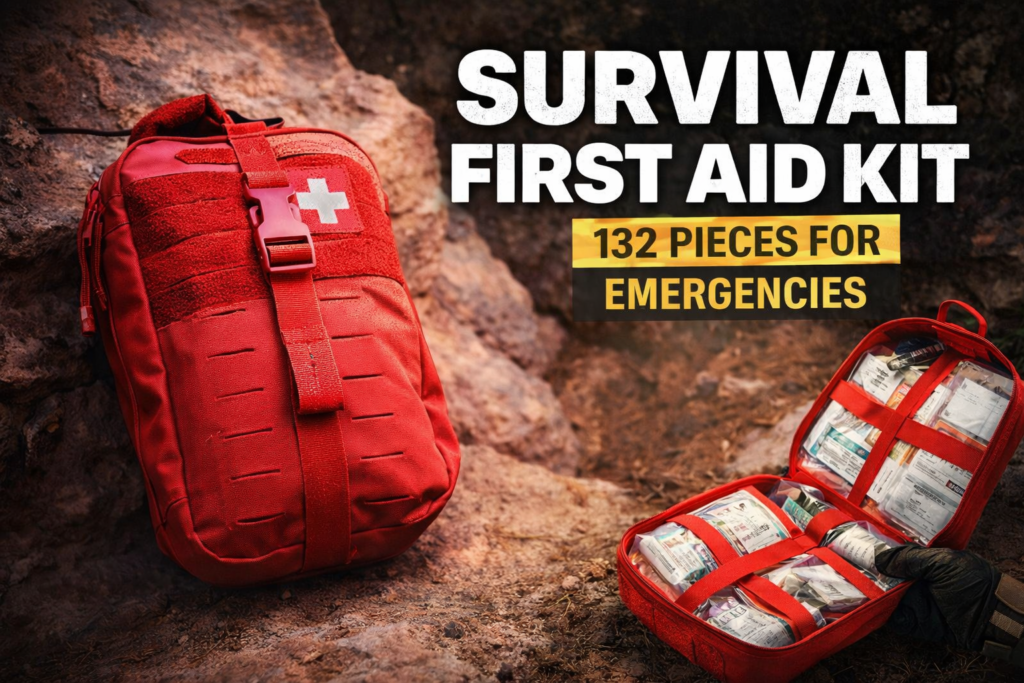
Survive Essentials includes articles about products and equipment that may help people prepare for emergencies. A general emergency first aid kit may also be a practical starting point for readers building household medical supplies alongside the training these articles recommend.
Some are things I’ve personally used.
Others are products I’ve researched based on their specifications, intended purposes, and available information.
I believe readers deserve to understand the difference.
A product that looks impressive online isn’t automatically reliable in an emergency.
You have to consider durability, capacity, maintenance, operating requirements, and what happens when conditions aren’t ideal.
A battery pack that works well for a phone may not support a larger appliance.
A water filter may have important limitations.
And a piece of first aid equipment may require training before someone can use it appropriately.
When I have firsthand experience with a product, I want to share what I actually observed.
When a recommendation is based on research, that should be clear as well.
I don’t want readers wasting money on something that won’t meet their needs.
And I certainly don’t want anyone relying on equipment they misunderstand during an emergency.
What You’ll Find on Survive Essentials
Survive Essentials covers preparedness and self-reliance from several angles.
You’ll find guides about emergency water storage, filtration, food supplies, and power outages.
Other articles cover generators, household preparedness, communication equipment, emergency planning, and first aid.
I also enjoy discussing wilderness survival, camping, practical outdoor skills, and ways to become more self-reliant in everyday life.
Some subjects come directly from my experiences on our farm or the lessons I learned in Scouting.
Others involve researching emergency scenarios and equipment that I want readers to understand before they face a real problem.
The goal is to make useful information accessible to people with different backgrounds and living situations.
Whether someone lives in an apartment, a suburban home, or on several acres in the country, I want them to find steps they can realistically take.
Preparing for My Family’s Future
One of my biggest motivations for becoming more self-reliant is my family.
I want my children to grow up understanding how to do things for themselves.
I want them to know where food comes from.
I want them to appreciate practical skills.
And I want them to understand the importance of planning ahead.
I’m not interested in raising children who think every problem can be solved by buying another product or waiting for someone else to take care of it.
I want them to know how to think through challenges, recognize danger, and make responsible decisions.
At the same time, I want them to appreciate that communities and neighbors can be valuable resources during difficult times.
Self-reliance doesn’t mean refusing to cooperate with others.
Sometimes the smartest preparedness decision is knowing who to call, where to get help, and when a situation is beyond your ability to manage safely.
That’s an important lesson, too.
A Little More About Me
Outside of Survive Essentials, I live in rural mid-Missouri with my wife and our three kids.
Our family operates Weaver Family Farms Produce and Weaver Family Farms Nursery.
We grow fruit trees, berries, and seasonal crops, and we continue working toward producing more of our own food and becoming less dependent on outside systems.
I’m also a small business owner who enjoys practical projects, learning new skills, and understanding how things work.
I’ve always been interested in finding ways to become more capable.
Sometimes that means learning a traditional outdoor skill.
Sometimes it involves improving our household emergency supplies.
And sometimes it’s something as ordinary as planting another fruit tree, learning how to preserve food, or figuring out a better way to manage resources.
I earned my Eagle Scout rank at 17, and I still believe many of the lessons I learned through Scouting apply to the way we live today.
Be prepared.
Be responsible.
Help others.
And keep learning.
I created Survive Essentials because I want to share those values and the practical lessons I’ve learned along the way.
I don’t believe people need to live in fear of everything that might happen.
But I do believe there’s tremendous value in knowing that if something goes wrong, you’ve already taken steps to protect yourself and the people you love.
And I hope this website helps more people develop that confidence through useful knowledge, realistic plans, and everyday self-reliance.
Dax Weaver
Founder of Survive Essentials
Eagle Scout | Small Farm Owner | Preparedness & Self-Reliance Writer
Rural Mid-Missouri