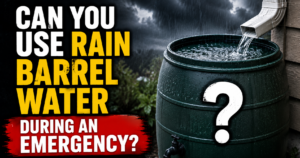
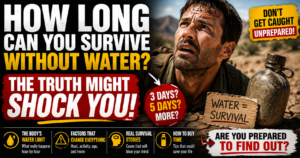
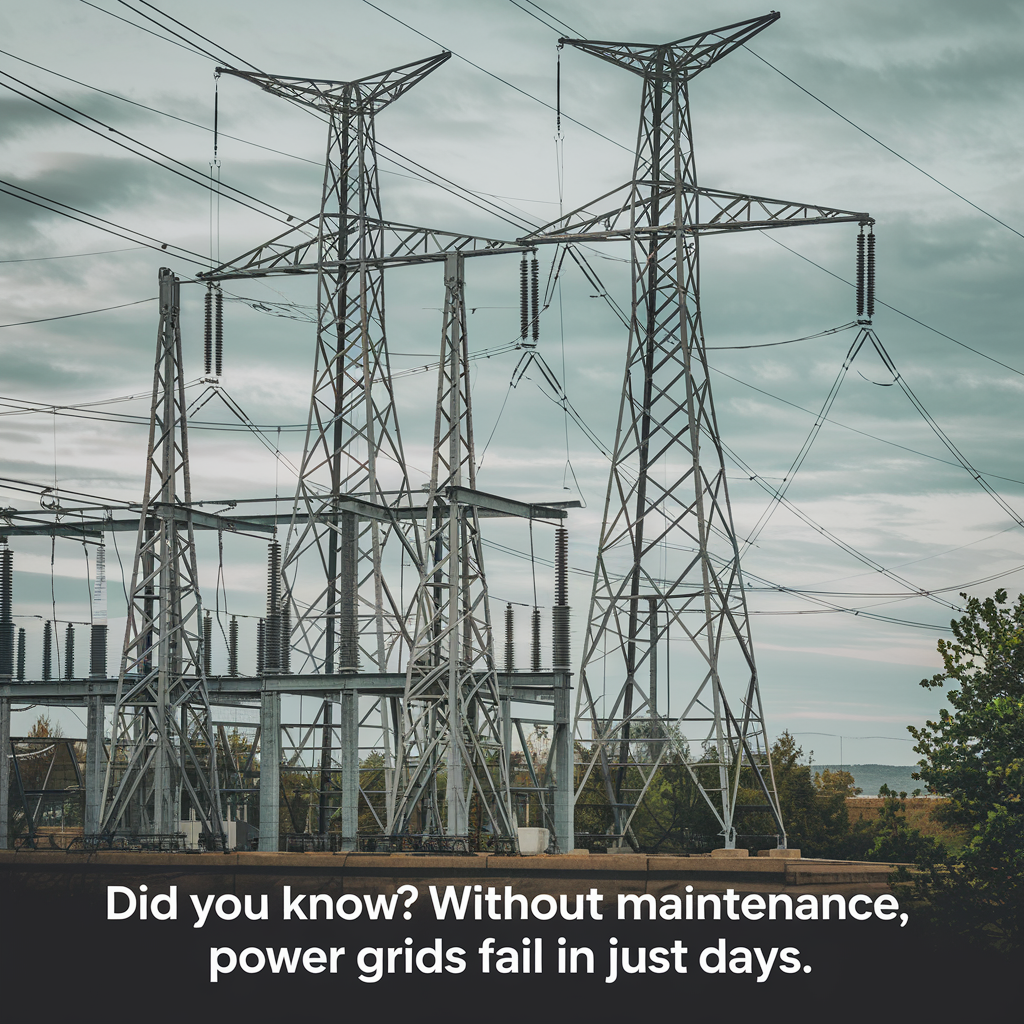
Emergencies can occur at any time and in any place. Being prepared can make a significant difference in how you and your loved ones handle challenging situations. In this blog post, we’ll explore the importance of emergency preparedness and provide practical tips to help you be ready for the unexpected. From creating emergency kits to developing communication plans and staying informed, these steps will empower you to navigate emergencies with confidence and resilience. A realistic preparedness plan also starts with understanding be ready for the unexpected rather than assuming every outage will end quickly.

1. “Building an Emergency Kit: Essentials for Survival”
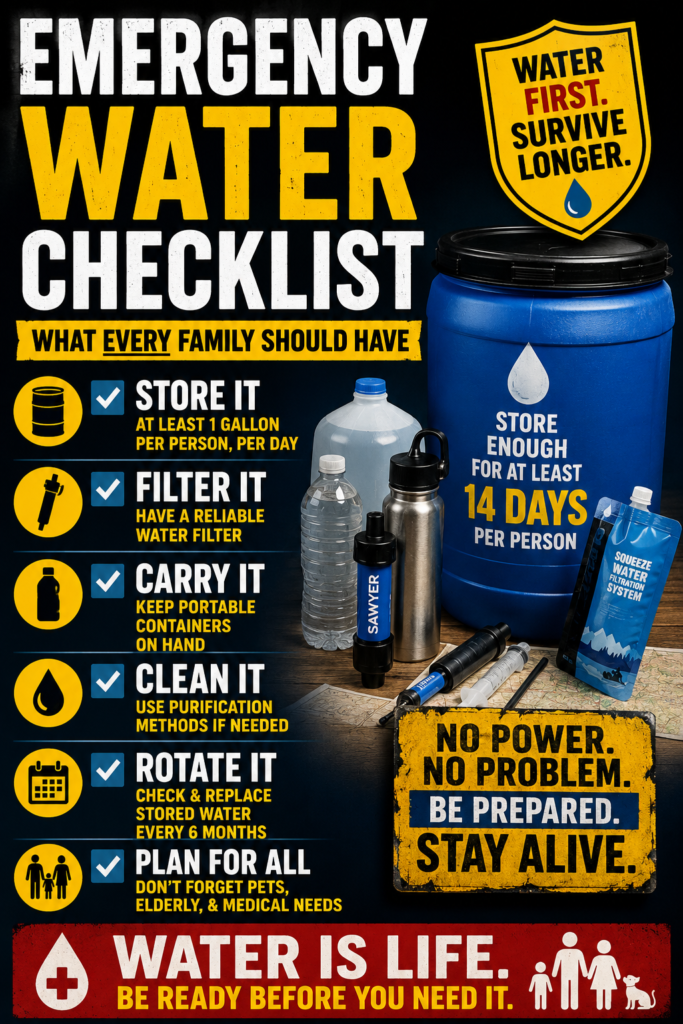
Having a well-stocked emergency kit is crucial in times of crisis. Learn what essential items to include, such as non-perishable food, water, a first aid kit, flashlights, batteries, a battery-powered radio, extra medications, and important documents. We’ll also discuss additional items like blankets, hygiene supplies, a multipurpose tool, and cash. Building an emergency kit ensures you have the necessary resources to sustain yourself and your family during an emergency situation. Pair your broader kit planning with this Emergency Water Checklist: What Every Family Should Have to address water storage in greater detail.
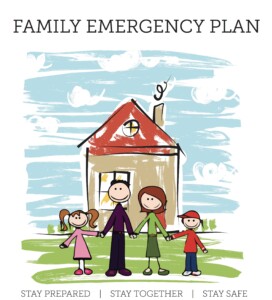
2. “Creating a Family Emergency Plan: Staying Connected and Safe”

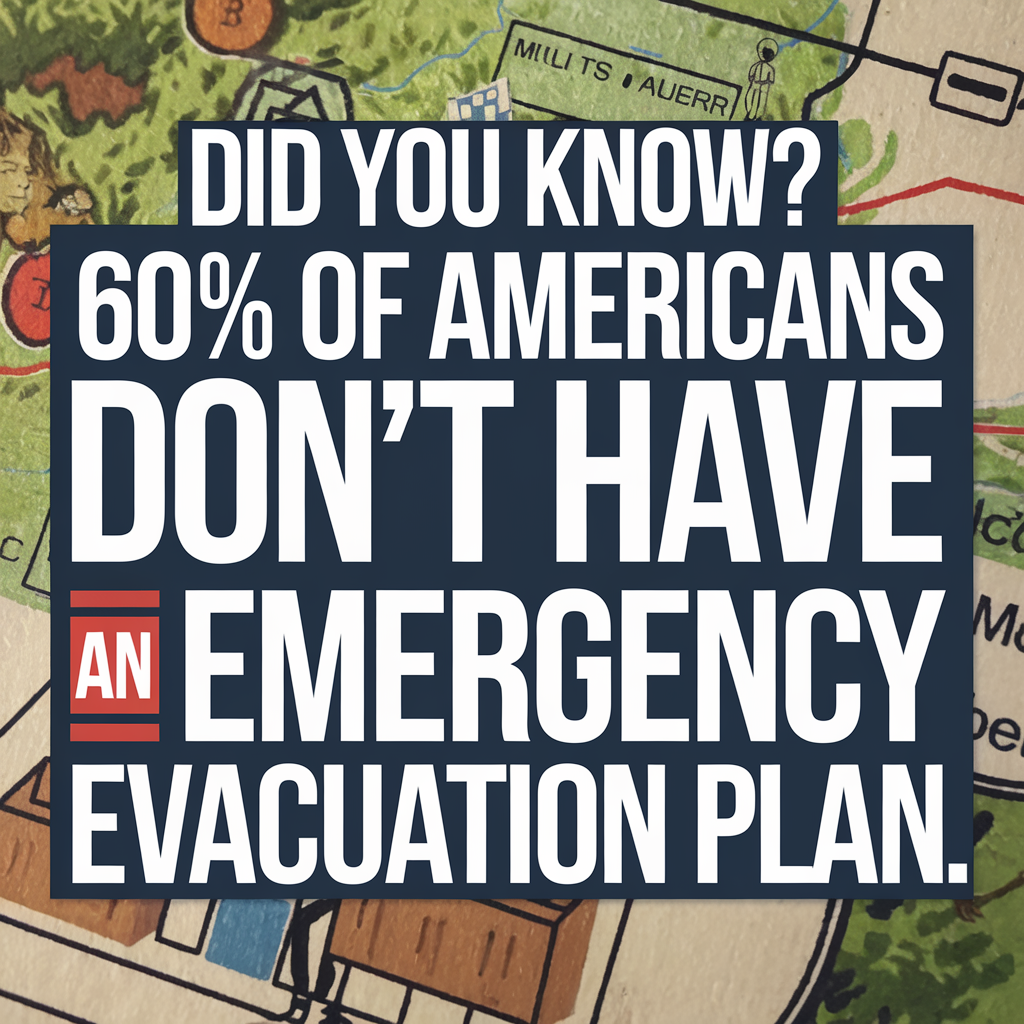
Developing a comprehensive family emergency plan is essential for coordination and safety. Discuss and establish meeting points, communication methods, and emergency contacts. Assign responsibilities to family members and outline evacuation routes. By creating a well-thought-out plan, everyone will be prepared and know what to do during an emergency, minimizing confusion and ensuring everyone’s well-being. A clear plan also benefits from practical Emergency Communication Tips for Staying Connected in a Crisis for choosing reliable ways to stay connected when normal channels are disrupted.
3. “Staying Informed: The Power of Communication”
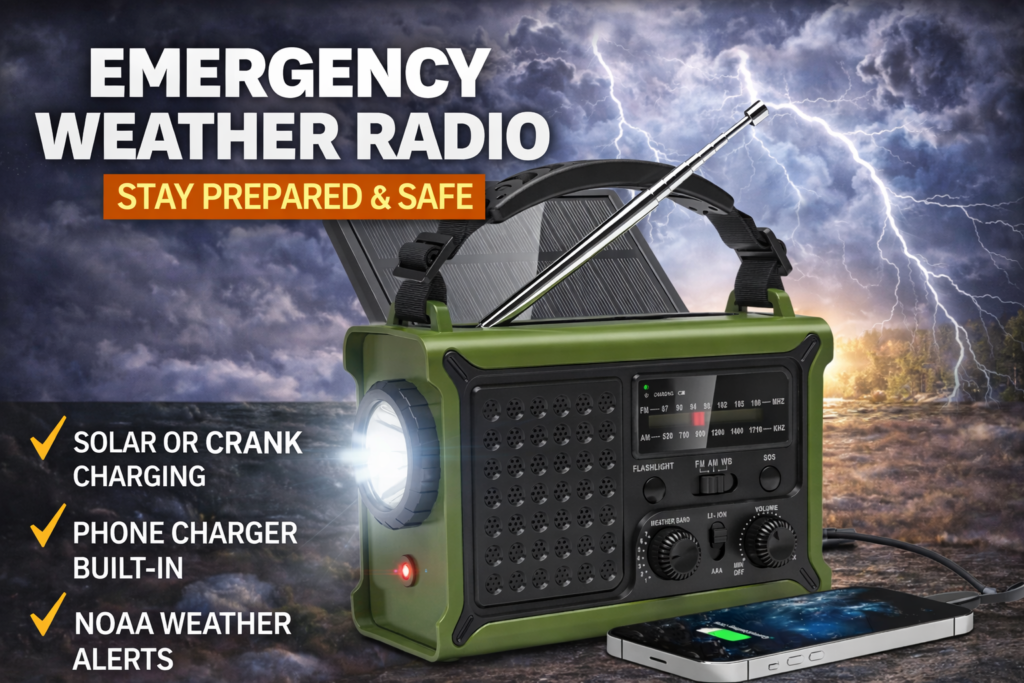
During emergencies, staying informed is crucial. Explore various ways to stay updated on the latest information, including emergency alert systems, weather apps, and local news sources. We’ll also discuss the importance of having a battery-powered radio or a hand-cranked radio as a reliable source of information in case of power outages. Being informed allows you to make informed decisions and respond effectively to changing circumstances.
4. “Home Safety Measures: Protecting Your Living Space”
Implementing home safety measures is essential for mitigating risks and preventing emergencies. We’ll discuss important steps such as installing smoke detectors on every level of your home, testing and replacing batteries regularly, having fire extinguishers readily accessible, and developing a fire escape plan. Additionally, we’ll explore ways to secure your home against burglaries and how to safeguard against natural disasters such as earthquakes and floods. Electrical hazards are another important part of a comprehensive home safety plan: home electrical safety guide
5. “Emergency Preparedness for Pets: Ensuring Their Safety”
Pets are part of the family, and their well-being should not be overlooked during emergencies. Discover tips and guidelines for including pets in your emergency preparedness plans. From assembling pet-specific emergency kits with food, water, medications, and comfort items to identifying pet-friendly shelters and arranging for backup care, ensuring the safety of your beloved pets is essential during crisis situations. Households can also account for fire-specific risks when planning how to protect pets: pet fire safety guidance
6. “Emergency Financial Preparedness: Securing Your Finances”
During emergencies, financial stability is crucial. We’ll discuss important steps such as maintaining an emergency fund, keeping copies of important financial documents, and reviewing insurance coverage to ensure it is up to date and adequate for potential risks. By taking proactive measures to secure your finances, you can navigate unexpected expenses and challenges with greater peace of mind.



7. “Community Emergency Preparedness: Working Together for Resilience”
Building a resilient community starts with individual preparedness. Discover the importance of connecting with neighbors, joining local emergency response groups, and participating in community emergency preparedness programs. We’ll explore ways to support and assist each other during crises, fostering a sense of solidarity and shared responsibility within your community.
Conclusion
Emergency preparedness is a critical aspect of personal and community well-being. By building emergency kits, creating family emergency plans, staying informed, implementing home safety measures, ensuring pet safety, securing your finances, and fostering community resilience, you can effectively respond to emergencies and navigate challenging situations with confidence and preparedness. Remember, preparedness is an ongoing process, so review and update your plans and supplies regularly. Together, let’s be ready for the unexpected and prioritize the safety and well-being of ourselves and our communities. For the water-storage portion of that preparation, stackable emergency water containers can help households organize a dedicated supply.