Most people know water is important.
What many people don’t realize is just how quickly the human body begins to suffer when water becomes unavailable.
You can survive weeks without food in many situations.
Water is a completely different story.
Without adequate hydration, the body begins to struggle within hours, and serious health problems can develop much faster than most people expect.
That’s one reason water remains the single most important preparedness priority for most emergencies.
Whether you’re preparing for natural disasters, power outages, severe weather, or unexpected water disruptions, understanding how long a person can survive without water helps explain why emergency water storage should never be treated as an afterthought. When stored water is limited, Best Water Filtration for Survival: Top Tools and Tips covers tools that can help provide safer drinking water.
The Short Answer
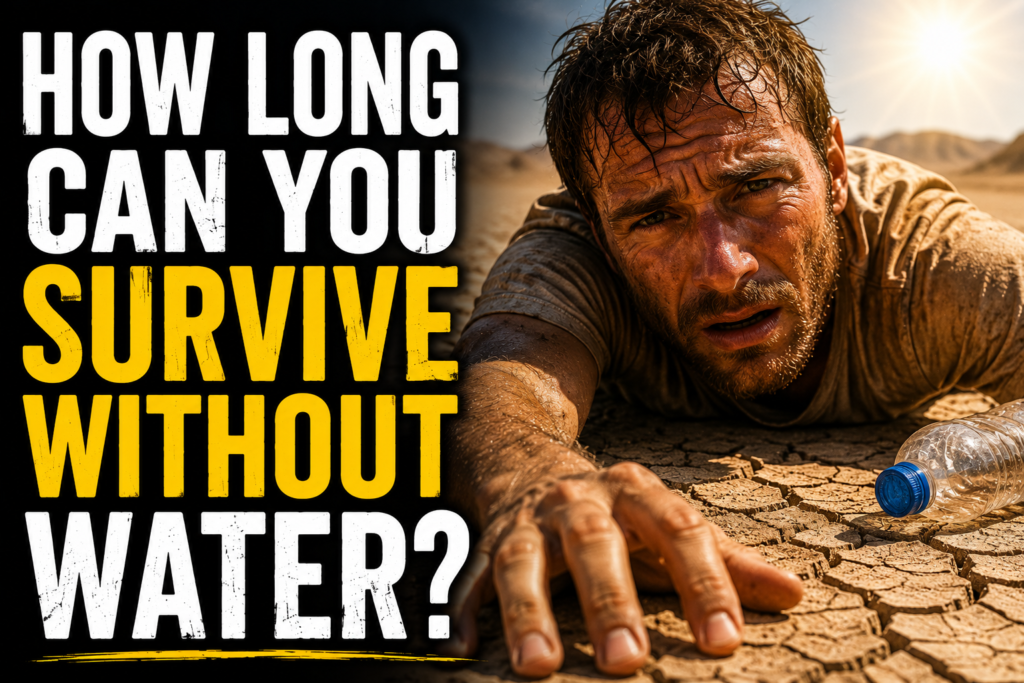
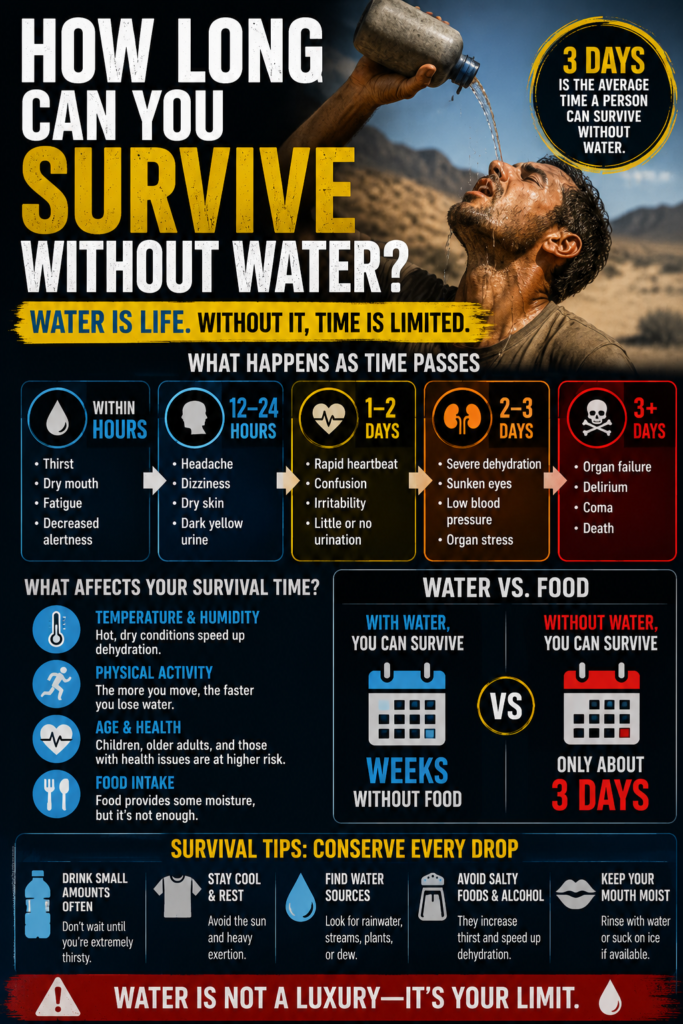
A healthy person may survive several days without water under certain conditions.
However, there is no universal timeline.
Survival depends on factors such as:
- Temperature
- Activity level
- Age
- Health conditions
- Humidity
- Access to shade
- Physical exertion
Someone sitting indoors in mild temperatures may survive longer than someone working outside in extreme heat.
The more water your body loses, the faster dehydration becomes dangerous.
Why Water Is So Critical
The human body depends on water for nearly every major function.
Water helps:
- Regulate body temperature
- Transport nutrients
- Remove waste
- Support circulation
- Lubricate joints
- Maintain organ function
When water becomes scarce, these systems begin to suffer.
The body can adapt to many challenges.
Lack of water is not one of them.


What Happens During the First 24 Hours?
Most healthy adults will begin noticing dehydration symptoms long before survival becomes a concern.
Common early signs include:
- Thirst
- Dry mouth
- Headaches
- Fatigue
- Reduced energy
- Difficulty concentrating
Many people already experience mild dehydration during normal daily life without realizing it.
During an emergency, these symptoms may appear even faster.
What Happens After Several Days?
As dehydration worsens, symptoms become more serious.
Potential effects include:
- Dizziness
- Weakness
- Confusion
- Rapid heartbeat
- Reduced sweating
- Difficulty thinking clearly
Decision-making often becomes impaired.
This creates additional risks during emergencies because people may make poor choices when they need clear thinking the most.


Children and Older Adults Face Greater Risks
Not everyone responds to dehydration the same way.
Young children and older adults often become dehydrated faster than healthy adults.
Families with:
- Infants
- Toddlers
- Elderly relatives
- Medical conditions
should place even greater emphasis on emergency water planning.
Water shortages affect everyone, but some people have much less margin for error.
Heat Changes Everything
One of the biggest factors affecting survival is temperature.
Hot weather dramatically increases water loss through:
- Sweating
- Increased respiration
- Physical exertion
A person performing heavy work during a summer power outage may require significantly more water than someone resting indoors.
This is one reason many preparedness experts recommend storing more water than the minimum recommendations whenever possible.
Why Most Families Underestimate Their Water Needs
Many people think only about drinking water.
The reality is that water is also needed for:
- Cooking
- Medications
- Hygiene
- Hand washing
- Sanitation
- Pets
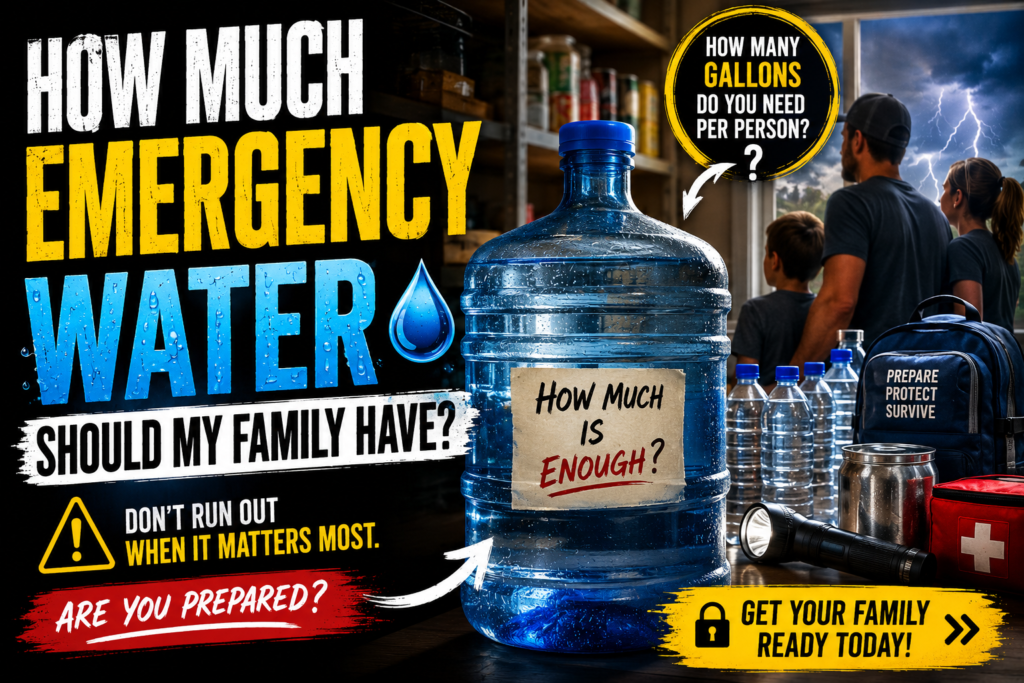
This is why we recommend reading How Much Emergency Water Should a Family Store?.
Most households discover their actual needs are much higher than expected.
Water Emergencies Happen Faster Than People Think
Most people assume they’ll have plenty of warning before losing access to water.
Sometimes that’s true.
Sometimes it isn’t.
Water main breaks.
Frozen pipes.
Storm damage.
Infrastructure failures.
Boil water advisories.
These events can happen with little warning.
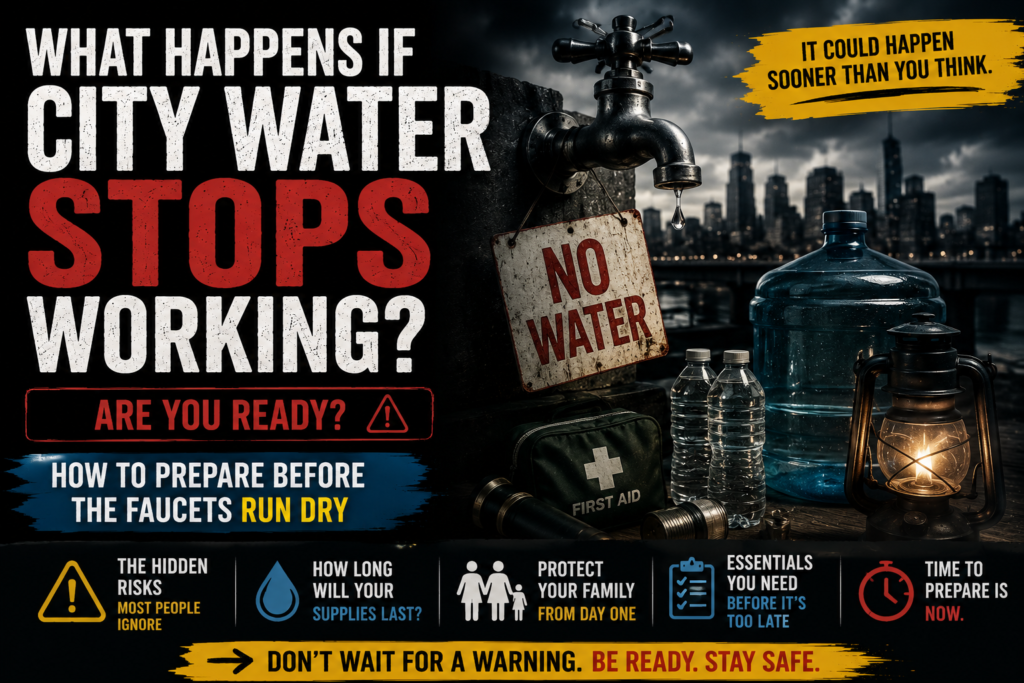
Our guide on What Happens If City Water Stops Working? explains how quickly normal life changes when water service disappears.
The Safest Water Is the Water You Already Stored
One lesson appears again and again in preparedness.
The best water source is usually the one you secured before the emergency started.
Stored water eliminates many of the uncertainties associated with finding and treating water later.
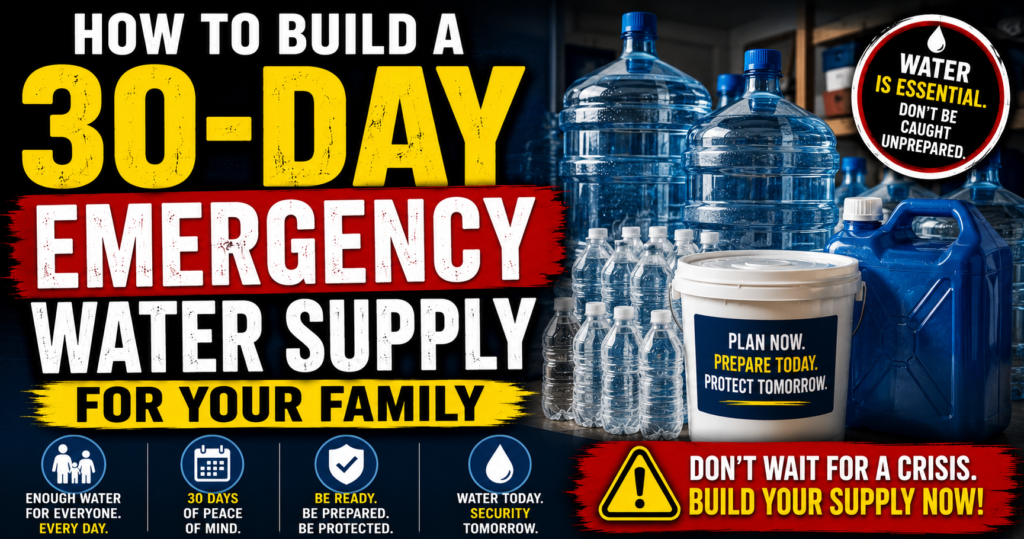
If you’re building your preparedness plan, start with How to Build a 30-Day Emergency Water Supply for Your Family.
A little preparation today can prevent a lot of stress later.
Alternative Water Sources Matter
Even large water reserves eventually run low.
That’s why experienced preppers rarely rely on a single source.
Potential backup sources include:
- Rainwater
- Water heaters
- Swimming pools
- Rain barrels
- Temporary emergency storage
You can learn more in:
- Can You Drink Rainwater in an Emergency?
- Can You Use Pool Water in an Emergency?
- Can You Drink Water From a Hot Water Heater in an Emergency?
- Can You Use Rain Barrel Water During an Emergency?
Preparedness works best when you have options.
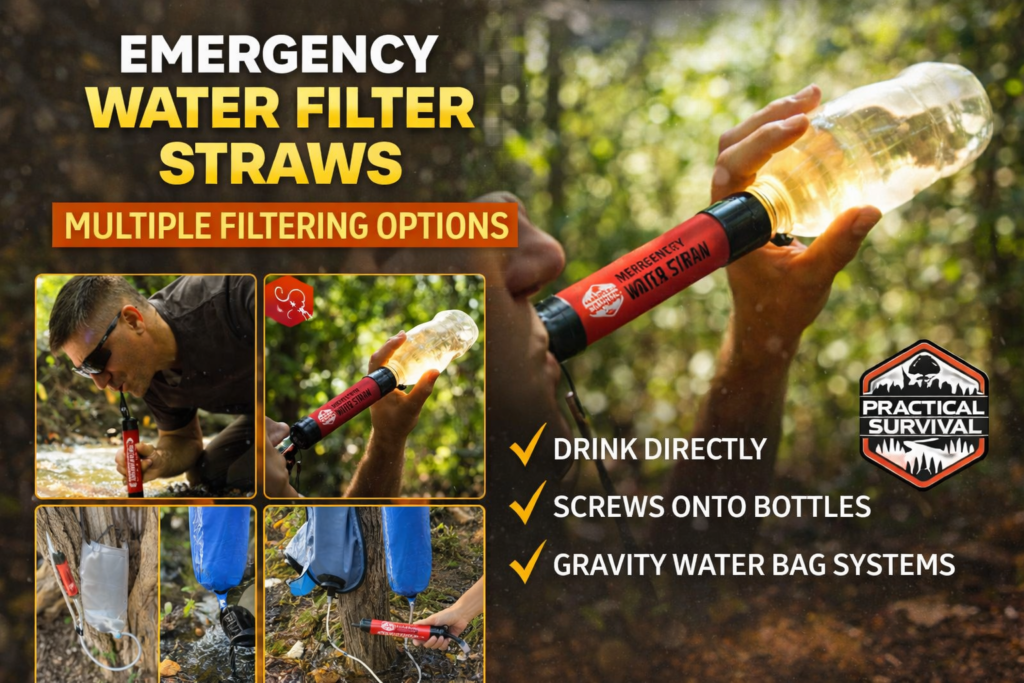
Water Filtration Extends Your Survival Options
Finding water and safely drinking water are two different challenges.
That’s why every family should consider adding filtration to their preparedness plan.
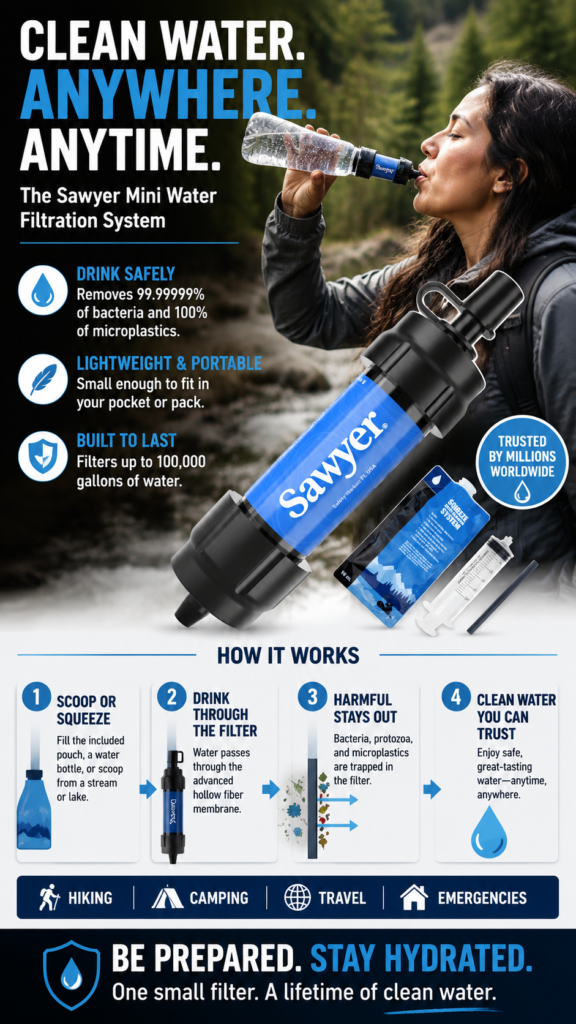
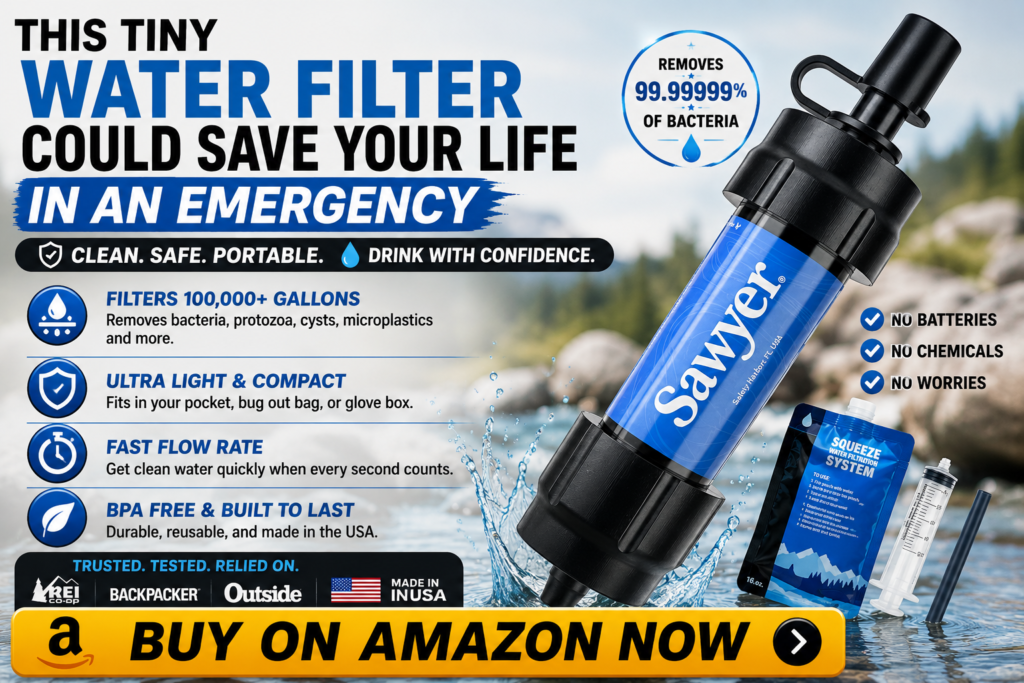
One of our favorite preparedness tools is This Tiny Water Filter Could Save Your Life in an Emergency.
The Sawyer Mini provides a lightweight, affordable way to filter water from additional sources if stored supplies become limited.
You can check current pricing here:
A water filter may never be needed.
But if the day comes when your stored water runs low, you’ll be glad it’s available.
Temporary Water Storage Can Buy Valuable Time
One of the smartest preparedness moves is storing extra water before severe weather arrives.
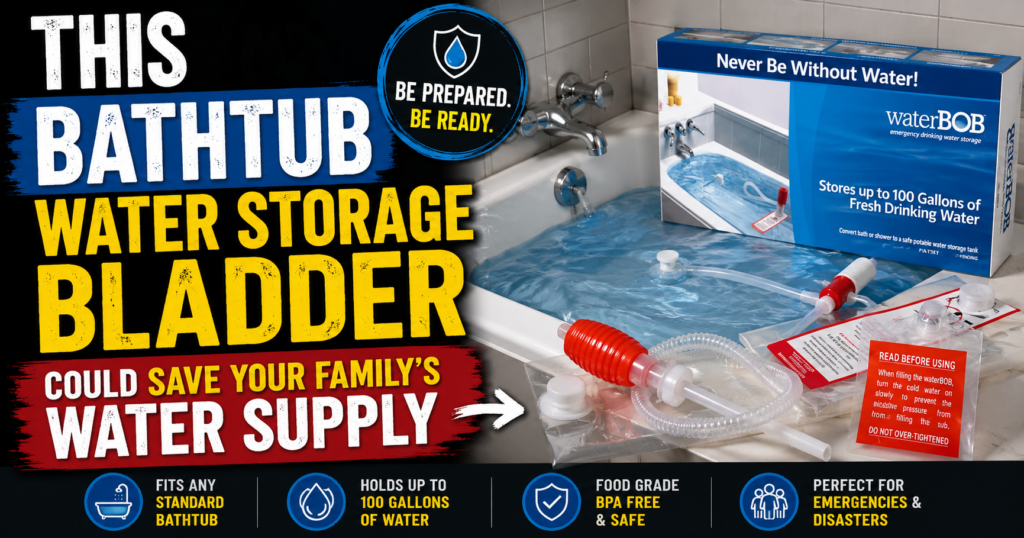
That’s why we recommend This Bathtub Water Storage Bladder Could Save Your Family’s Water Supply.
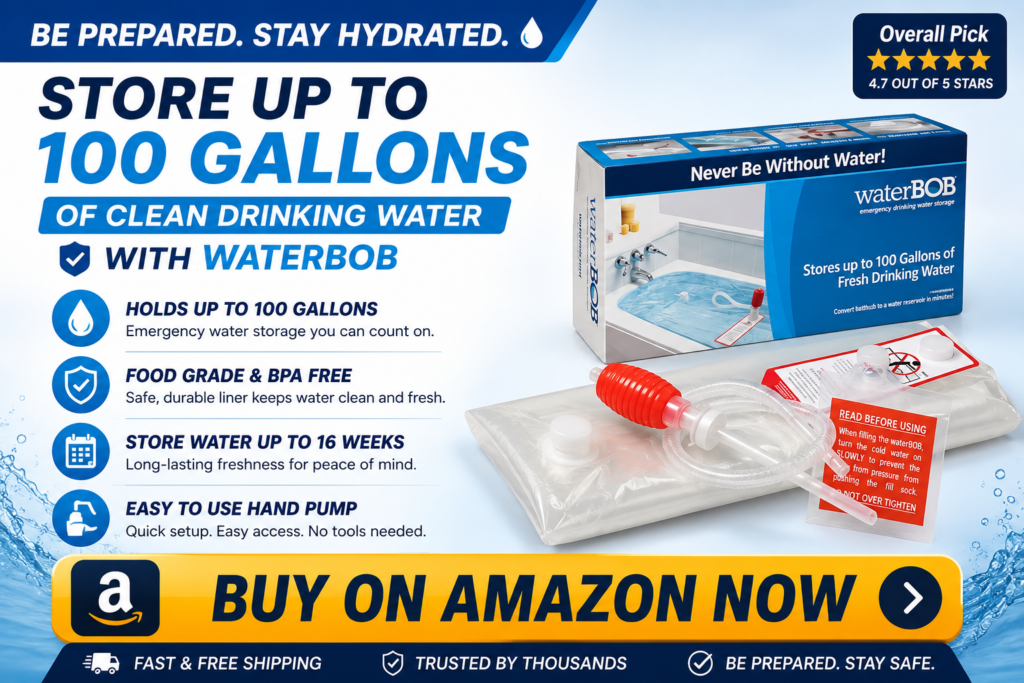
Instead of scrambling for water after an outage begins, families can store up to 100 gallons of clean tap water beforehand.
You can see the bathtub storage system here:
Every gallon stored before a disaster is one less gallon you’ll need to find afterward.
Most Survival Situations Become Water Situations
Movies often focus on dramatic survival gear.
Reality is usually much simpler.
Water becomes the primary concern surprisingly fast.
Not food.
Not equipment.
Not convenience.
Water.
That’s why so many preparedness plans begin with water storage, water filtration, and water security.
The Better Question Is Not How Long You Can Survive
People often ask how long they can survive without water.
The better question is:
Why would you want to find out?
Preparedness is about avoiding survival situations whenever possible.
A few cases of bottled water.
A backup filtration system.
Additional emergency storage.
Knowledge of alternative water sources.
Those simple preparations make it far less likely you’ll ever need to test the limits of human survival.
Related Water Preparedness Articles
Building a reliable emergency water plan takes more than simply storing a few bottles of water. Explore these helpful guides to strengthen your family’s preparedness:
- Emergency Water Preparedness Guide: Everything You Should Know
- How to Build a 30-Day Emergency Water Supply for Your Family
- Emergency Water Checklist: What Every Family Should Have
- How to Purify Water Without Electricity During an Emergency
- What Is the Safest Water Source During an Emergency?
About the Author
Ethan Carter is an emergency preparedness researcher and survival writer focused on water storage, disaster readiness, emergency planning, and practical self-reliance strategies for everyday families. He regularly writes for Survive Essentials on water security, preparedness gear, and emergency readiness.