If my power has been out for a full week, I stop thinking of it as a normal power outage.
Seven days changes things.
The refrigerator problem has already been dealt with. I’ve used a noticeable amount of fuel. We’ve eaten food. We’ve used water. Batteries have been charged and discharged several times. Trash is accumulating. Everyone is tired of living differently.
And whatever caused the outage may have affected stores, gas stations, cell service, roads, water systems, and other people around me too.
At this point, my question isn’t simply:
How do I keep the lights on?
It’s:
Can I realistically keep this household functioning for another week if nothing changes?
That’s the assessment I make on day seven.
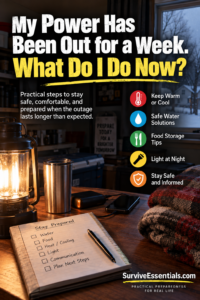
The First Thing I Do Is Take Inventory Again
I don’t trust what I think I have left.
I physically check.
I want actual numbers for the things that matter.
How much drinking water remains?
How much generator fuel?
How much propane?
How much shelf-stable food?
How many medications?
How much pet food?
How much battery capacity?
What happened to the refrigerated and frozen food?
What sanitation supplies remain?
I would rather discover today that something is getting low than discover it when it’s completely gone.


I Calculate How Long My Remaining Supplies Will Actually Last
This is where I turn inventory into time.
If I have 15 gallons of gasoline left and I’m burning five gallons every day, I don’t have “a bunch of gas.”
I have about three days.
If I have 20 gallons of drinking water and the household is consuming five gallons per day, I have four days.
That’s the way I think at this point.
Not:
“We still have some.”
But:
“At our current use, when does this run out?”
That answer changes my decisions.


Water Moves Right Back to the Top of My List
During the first few hours of an outage, people tend to think about lights and phones.
After a week, water is much more important.
If municipal water is still safe and reliable, I’m fortunate.
If I’m on a private well, I’ve already had to solve the electrical side of getting water into the house.
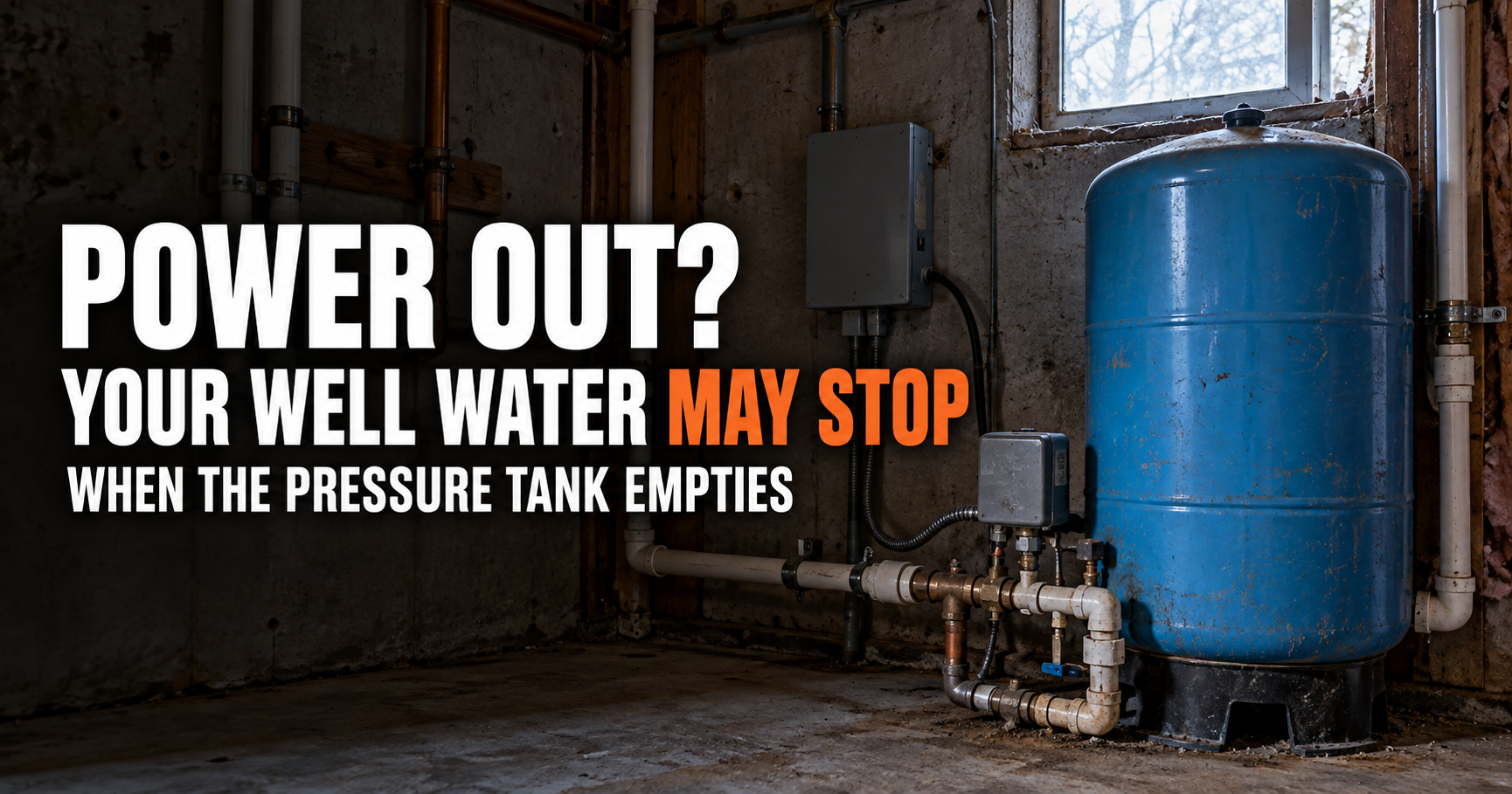
That’s why I covered whether my well water works during a power outage earlier in this cluster.
By day seven, I don’t want my water plan depending on luck.
I Don’t Wait Until Stored Water Is Almost Gone
This is one mistake I try hard to avoid.
If I can see that my stored water will run out in three days, today is when I start solving the next-water problem.
Not three days from now.
Maybe that means running the well from appropriate backup power.
Maybe municipal distribution sites are operating.
Maybe I have another suitable water source.
Maybe I need filtration or purification.
We’ve already built a full emergency water preparedness guide because long outages are exactly where water preparedness stops being theoretical.
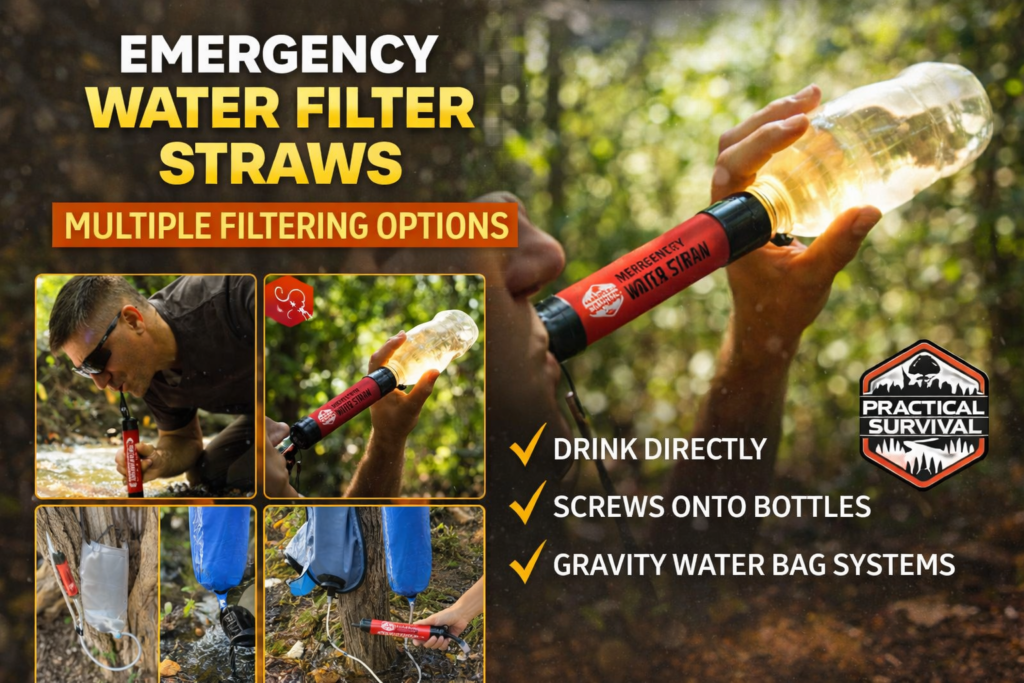
I Keep My Backup Water Filter Available
If I’m moving beyond stored drinking water, treatment becomes much more important.

One of the small pieces of gear I like having available is the Sawyer Mini water filter we’ve covered for emergency use.
It doesn’t magically make every possible contaminated water source safe.
But for appropriate sources, filtration gives me another layer beyond whatever water I managed to store before the outage.
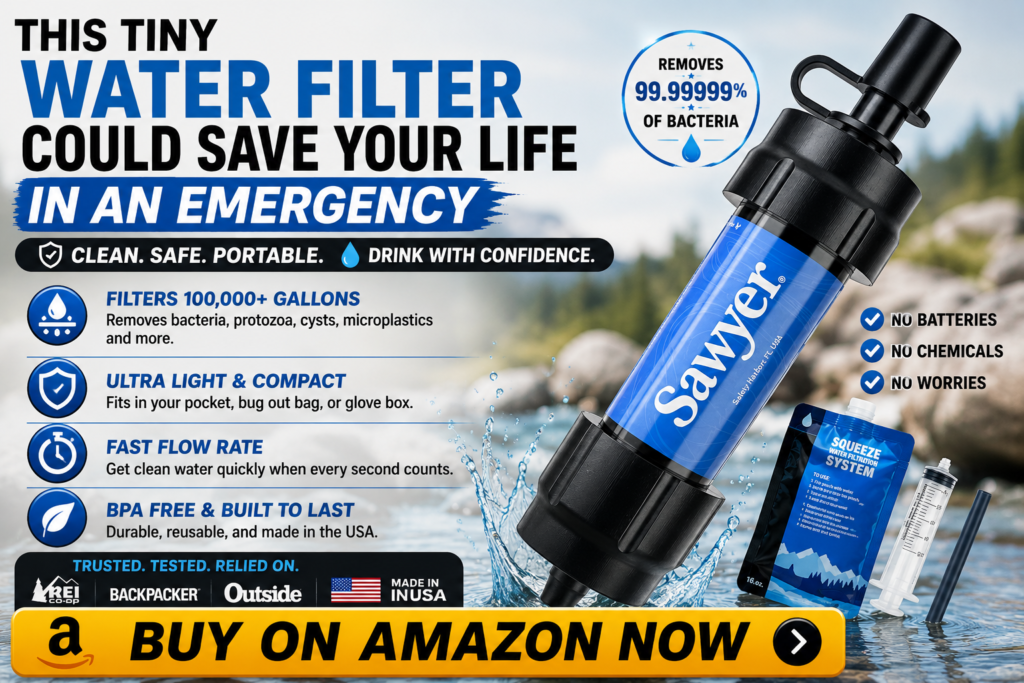
Check the Sawyer Mini water filtration system on Amazon
By week two, I want layers.
Stored water.
A way to obtain more.
A way to treat suitable backup water.
I Reevaluate Generator Fuel Every Day
After a week, generator fuel becomes one of the biggest limiting factors in my setup.
This is why I don’t like running a portable generator nonstop just because I own one.
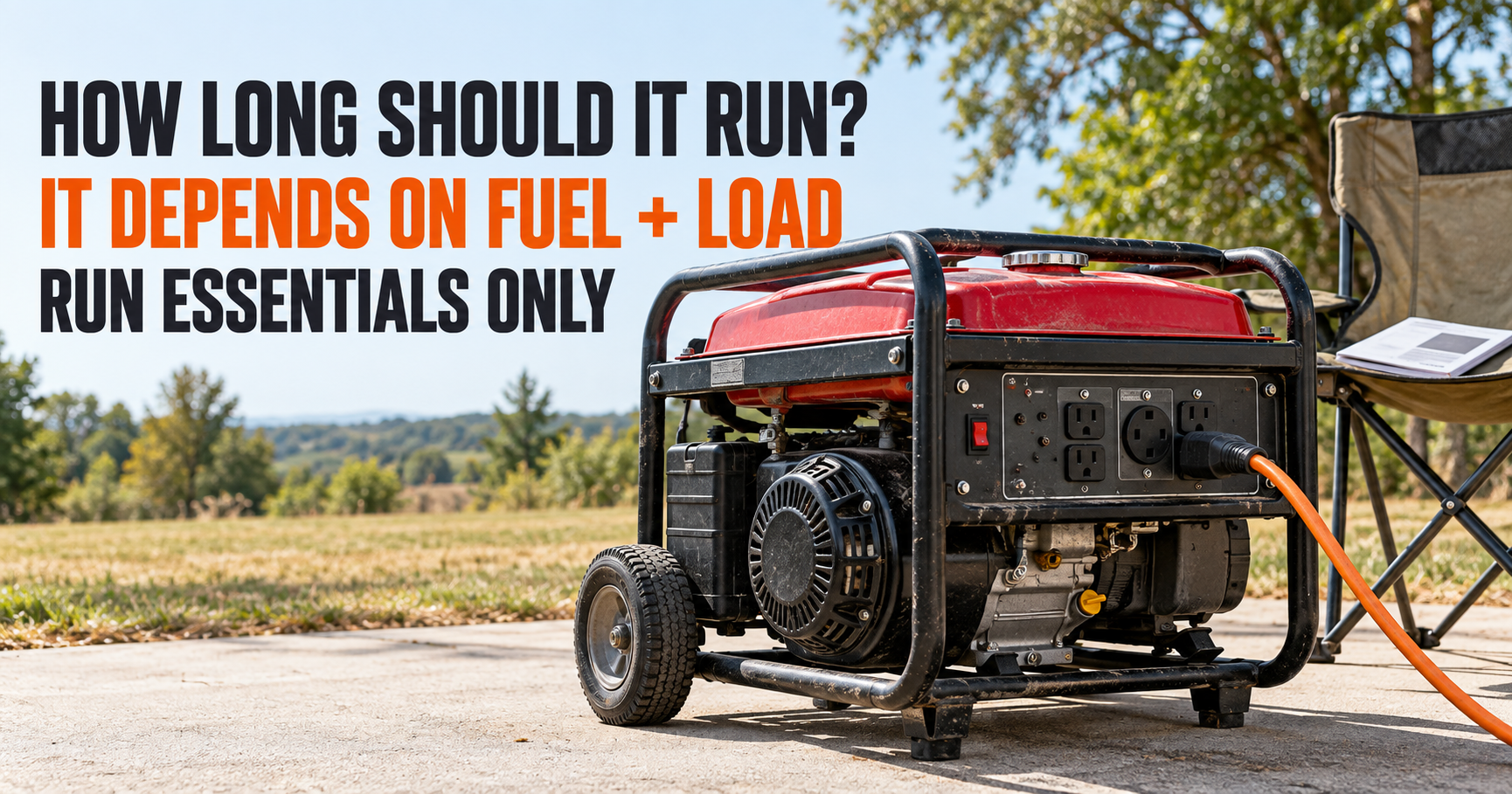
I’ve already laid out how I stretch generator runtime during an outage.
At this point, I’m even stricter.
Every generator run needs a purpose.
Maybe I’m cooling the freezer.
Running the well.
Charging batteries.
Supporting medical equipment.
Handling another critical load.
If nothing important needs electricity, I don’t burn fuel simply because the generator makes the house feel more normal.

I Combine Electrical Jobs
If I’m starting the generator, I make that runtime count.
I may cool the refrigerator or freezer while also:
- Charging phones
- Charging power banks
- Charging rechargeable lights
- Charging the emergency radio
- Running another compatible essential load
- Restoring well pressure if my setup allows it
That gives me useful stored energy after I shut the engine down again.
It’s much more efficient than starting the generator six separate times for six small jobs.
I Keep Generator Safety Exactly the Same on Day Seven
This matters because familiarity creates shortcuts.
I’ve been carrying fuel outside for a week.
I’m tired.
Maybe it’s raining.
Maybe it’s cold.
The generator still stays outside.
I still keep it properly separated from the house and openings.
I still let it cool before refueling.
I still use proper electrical connections.
I still keep carbon monoxide alarms working.
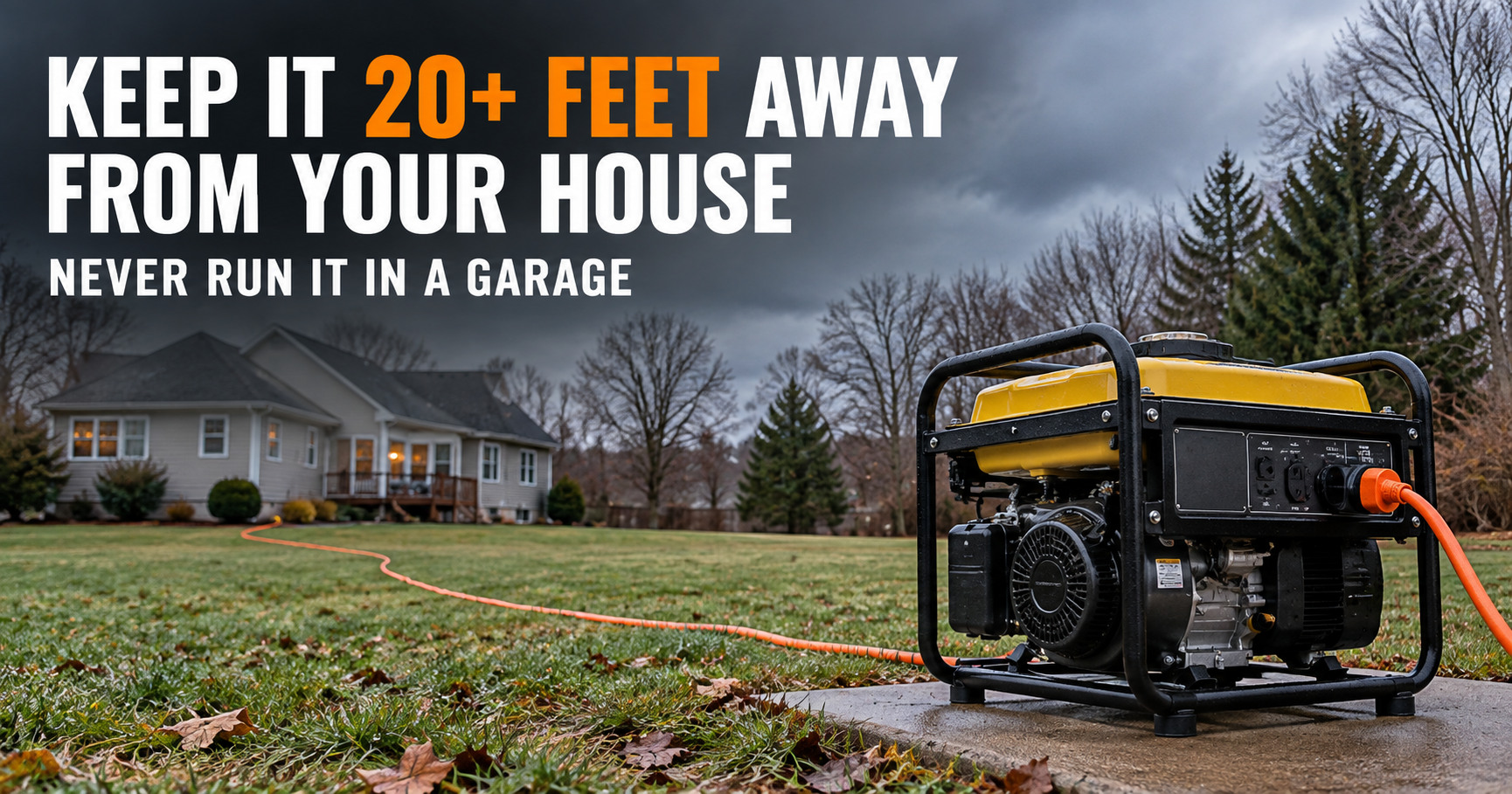
My generator placement guide doesn’t stop applying because I’ve been doing this for seven days.
If anything, fatigue makes those rules more important.
I Start Thinking About Maintenance, Not Just Fuel
A generator accumulating serious engine hours may need attention.
I don’t assume it can run indefinitely without maintenance.
I check the manufacturer’s schedule.
Oil level.
Oil changes.
Air filter.
Other required service.
I want the machine working on day ten just as much as I wanted it working on day one.
A generator failure during a one-hour outage is inconvenient.
A generator failure during week two can dismantle several parts of my plan at once.
Food Strategy Changes Completely by Week Two
At this point, I’ve already dealt with the refrigerator.
I’ve already evaluated the freezer.
I’ve already eaten some of the foods most likely to spoil.
Now shelf-stable food becomes increasingly important.
This is where having food that doesn’t require refrigeration starts paying off.
I’m looking for meals that don’t consume ridiculous amounts of:
- Fuel
- Water
- Cooking time
- Cleanup water
A survival pantry isn’t useful if every meal requires 45 minutes of propane and two gallons of water to prepare and clean up.

I Don’t Eat Emergency Food Randomly
I use food in a sensible order.
Food that’s going to spoil first gets eaten first while it’s still safe.
Frozen foods come next as appropriate.
Then I lean more heavily on shelf-stable supplies.
This prevents me from eating 20-year emergency food while perfectly usable short-life food spoils beside it.
By the end of a week, that sequencing matters.
I Keep Some Food That Requires Almost No Cooking
This becomes more valuable the longer the outage lasts.
Every cooked meal consumes something.
Fuel.
Water.
Time.
Cleanup supplies.
Sometimes the best emergency meal is the one I can open and eat.
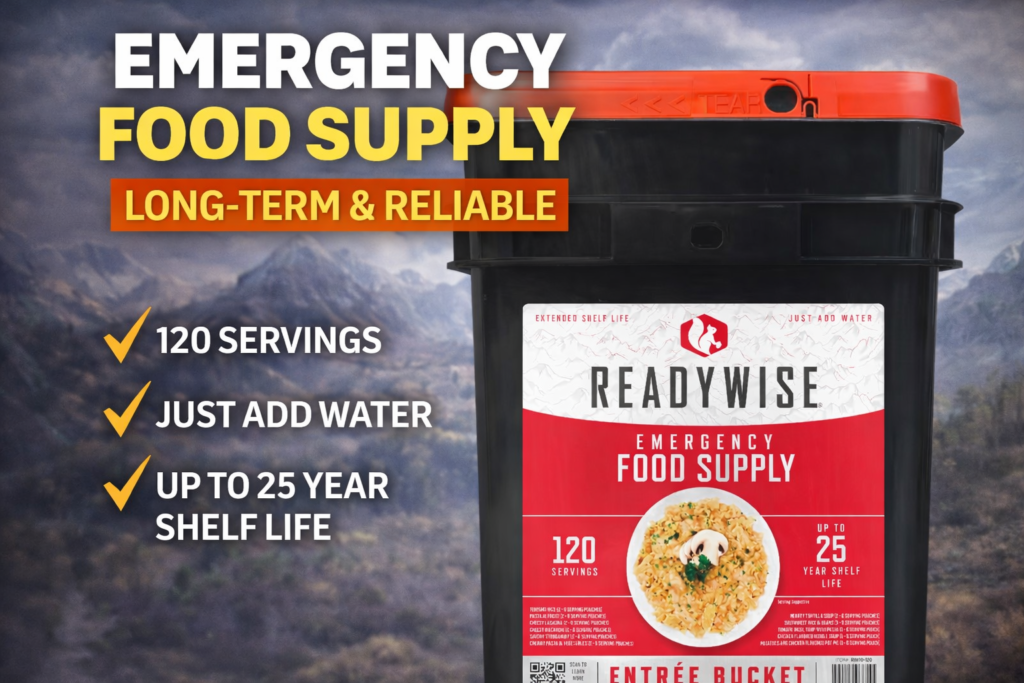
That’s one reason I like having dedicated shelf-stable emergency food behind my normal pantry.
It’s not what I eat first.
It’s what gives me another layer when the normal food system has been disrupted for a long time.
Cooking Fuel Becomes Its Own Inventory
If I’m using propane, charcoal, firewood, or another cooking fuel, I count that separately from generator fuel.
I don’t want to accidentally burn through propane cooking meals and then realize that same fuel was part of my backup-heating plan.
That’s especially important during cold weather.
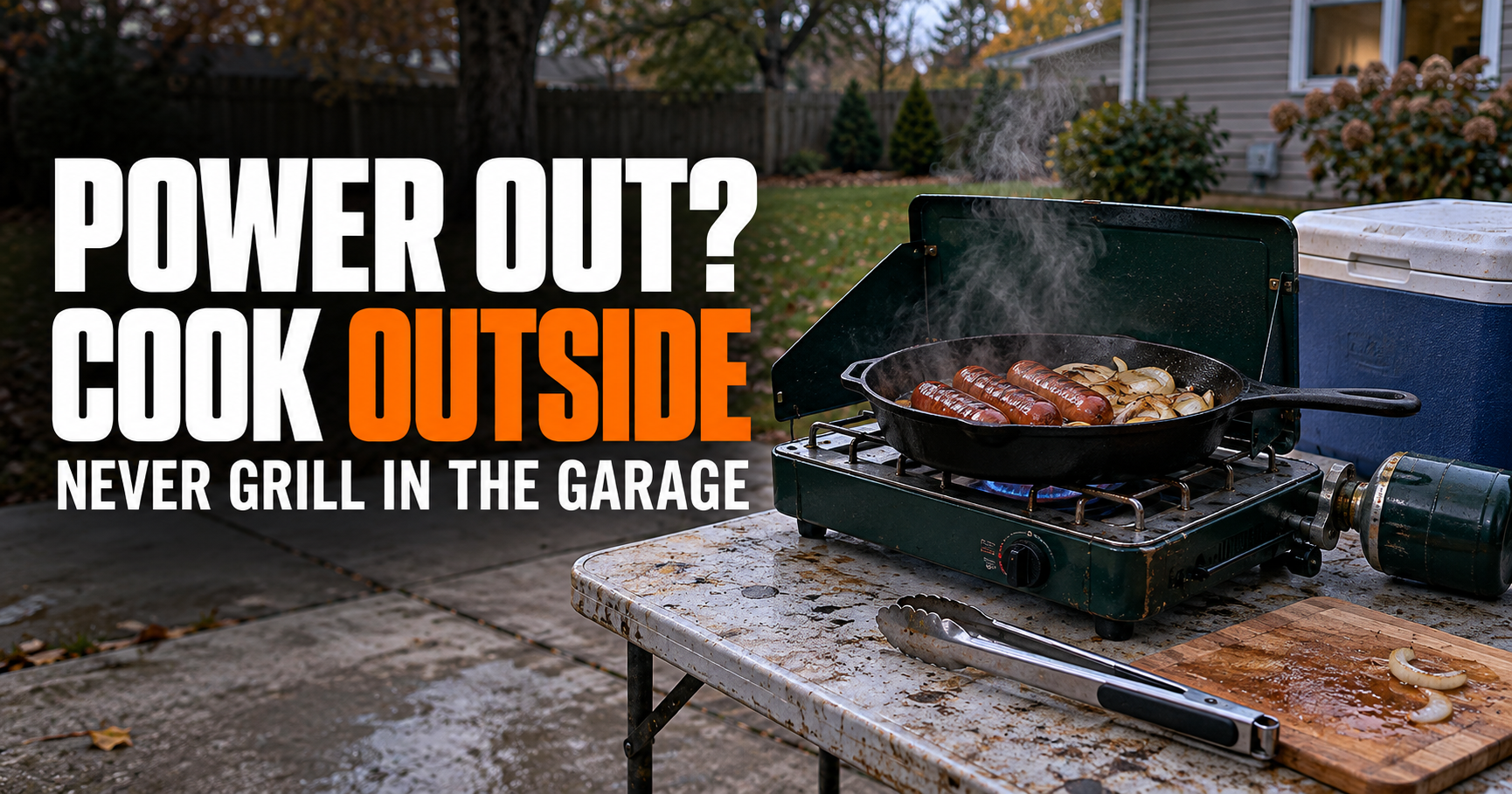
I’ve already covered how I cook food when the power is out.
After a week, efficiency matters more than variety.
Sanitation Starts Becoming a Bigger Deal
Three days without normal utilities can feel like camping.
Two weeks can start feeling dirty.
Garbage accumulates.
Laundry accumulates.
People need baths.
Dishes still need cleaning.
Toilets still need to work.
If water is limited, I have to manage all of that without burning through drinking water.
This is where people who only prepared food and flashlights discover they missed an entire part of long-term preparedness.
I Separate Drinking Water From Sanitation Water
If I have suitable nonpotable water available, I don’t use bottled drinking water to flush toilets.
I’ve already covered how I flush a toilet during a power outage.
By day seven, that distinction becomes even more valuable.
Potable water goes toward jobs that require potable water.
Alternative water can potentially handle appropriate sanitation jobs.
That stretches the good water much farther.
Garbage Needs a Plan
This is one of those boring problems that becomes very real after a week.
Food packaging.
Used hygiene products.
Spoiled food.
Normal household garbage.
If normal collection is interrupted too, bags start piling up.
I want heavy-duty trash bags available and a sensible place to keep sealed waste away from living areas, animals, and food supplies.
I don’t burn random household trash just because pickup stopped.
Plastics and other materials can produce dangerous fumes.
Garbage isn’t exciting survival content.
It’s absolutely part of surviving comfortably at home.
Laundry Becomes More Strategic
I’m not trying to keep up with normal laundry routines without reliable electricity and water.
I prioritize.
Underwear.
Socks.
Essential clothing.
Baby items if applicable.
Medical or caregiving needs.
Everything else can wait longer.
If I’m hand washing clothing, I also think about how much clean water I’m using and where that wastewater is going.
Every household chore starts interacting with another limited resource.
Personal Hygiene Still Matters
Preparedness doesn’t mean everyone stops washing for two weeks.
But I change how I do it.
I don’t need a full hot shower every day to maintain basic hygiene.
Depending on water availability, I can prioritize:
Hands.
Face.
Teeth.
High-sweat areas.
Medical hygiene.
Baby care.
Clean hands become especially important when normal plumbing and food preparation routines have changed.
Getting sick during an extended outage makes everything harder.
Medications Move Higher on My Priority List
Seven days is where prescription supply can become a serious issue.
If someone entered the outage with only a week’s worth of medication, we’re at the edge now.
I don’t wait until the last dose to start figuring this out.
I contact pharmacies, medical providers, emergency services, insurers, or local authorities as appropriate while communication is still available.
Medication is one of the things that can turn staying home from reasonable to unsafe.
Refrigerated Medication Requires Its Own Plan
Some medications need temperature control.
I don’t treat those like hamburger in the freezer.
I follow the medication’s storage instructions and guidance from a pharmacist or healthcare professional.
If reliable refrigeration can’t be maintained, I start solving that problem early.
Medical needs outrank saving generator fuel.
I Keep the First Aid Kit Accessible
After a week, people have been doing unusual things for days.
Moving fuel.
Using generators.
Cooking differently.
Handling firewood.
Working in low light.
Cleaning storm damage.
Small injuries become more likely.
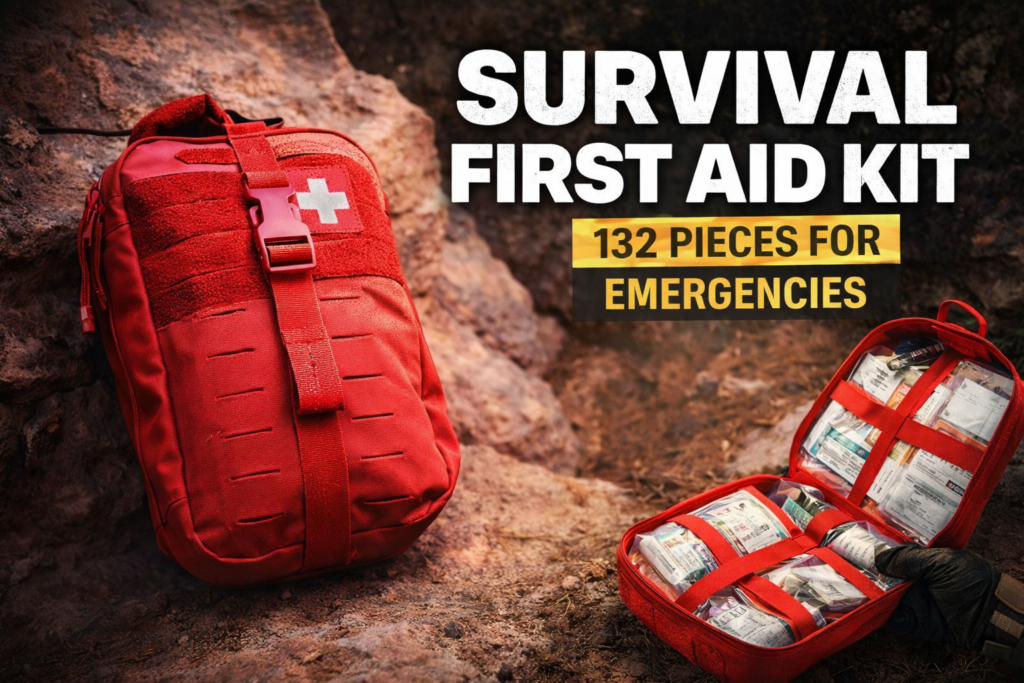
I keep the serious first aid kit we’ve reviewed somewhere accessible instead of buried under other supplies.
I also recognize the limit of the kit.
Emergency supplies don’t replace professional medical care when somebody genuinely needs it.
Communication Becomes More Important, Not Less
After seven days, I want reliable information.
What caused the outage?
How much progress has been made?
Are restoration estimates changing?
Are water systems affected?
Where is fuel available?
Are shelters or resource centers operating?
Are roads open?
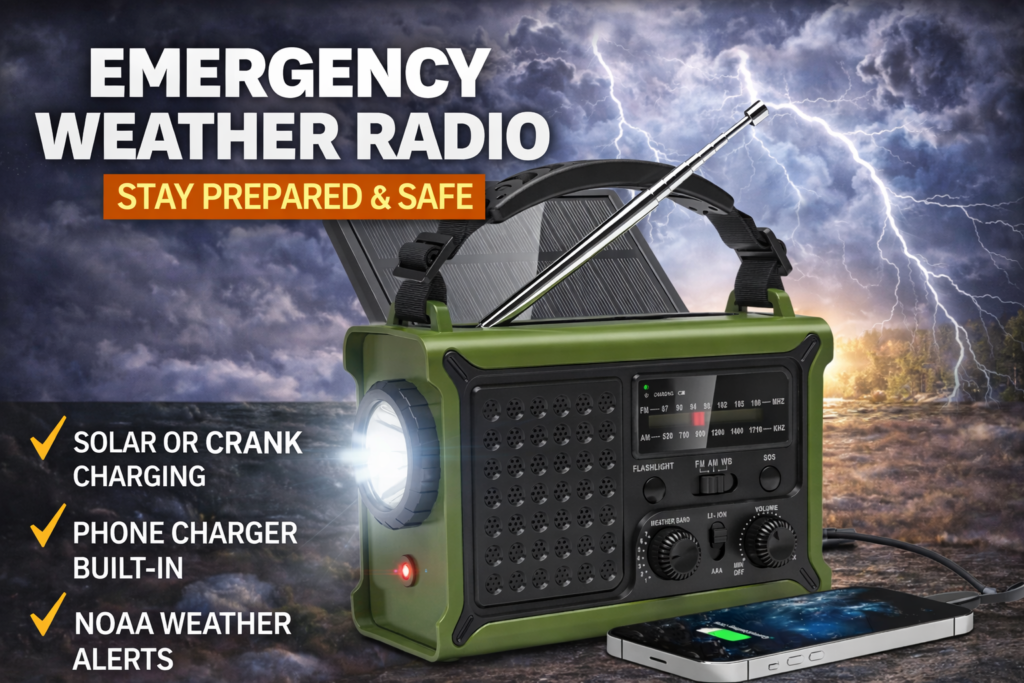
That’s why I still keep my emergency radio available even if cell service has been working.
One communication method is good.
Several are better.
I Preserve Phone Battery Differently Now
After a week, I’ve settled into a charging routine.
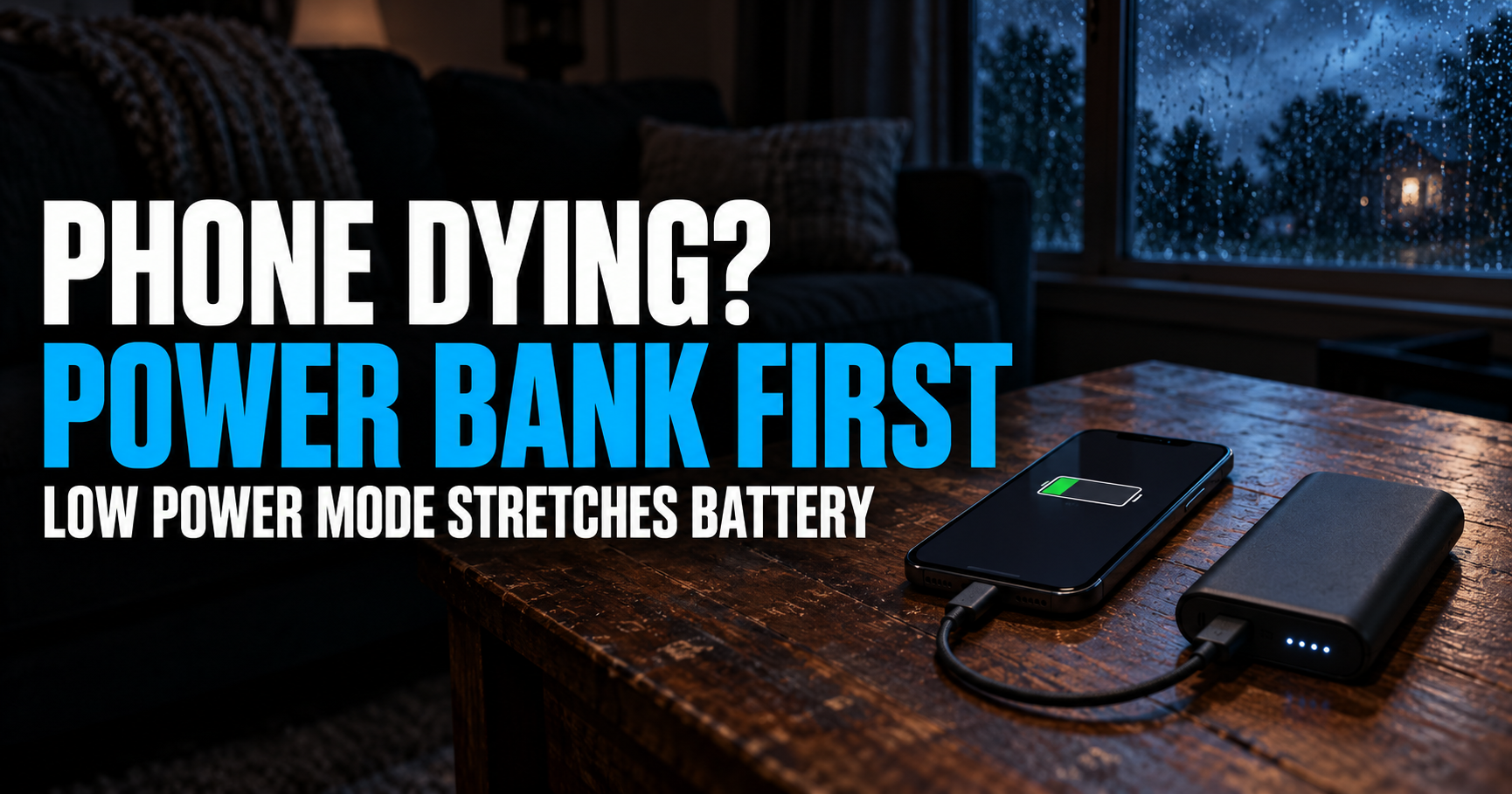
I’ve already explained how I keep my phone charged during an outage.
The phone is for:
- Family communication
- Emergency alerts
- Utility information
- Medical communication
- Necessary information
It isn’t where I burn six hours watching videos because everybody is bored.
Boredom is easier to solve than a dead communication device.
Kids Change the Long-Outage Equation
This doesn’t get discussed enough.
Adults may tolerate boredom and disruption reasonably well.
Kids have routines.
They need entertainment.
They need reassurance.
They need normalcy.
By week two, I want things available that don’t require electricity.
Books.
Games.
Cards.
Coloring supplies.
Outdoor activities when conditions are safe.
A little planning here can make the entire household easier to manage.
Pets Consume Supplies Too
Pet food counts.
Pet water counts.
Medication counts.
Litter counts.
If I’m calculating how long the household can remain self-sufficient, animals are part of the household.
I don’t calculate two weeks of water for the humans and then realize the dog has been drinking from that same supply the entire time.
Temperature Can Decide Whether I Stay
Weather becomes one of my biggest decision points.
If it’s mild outside, staying home without electricity may be manageable for quite a while.
Extreme heat or extreme cold changes everything.
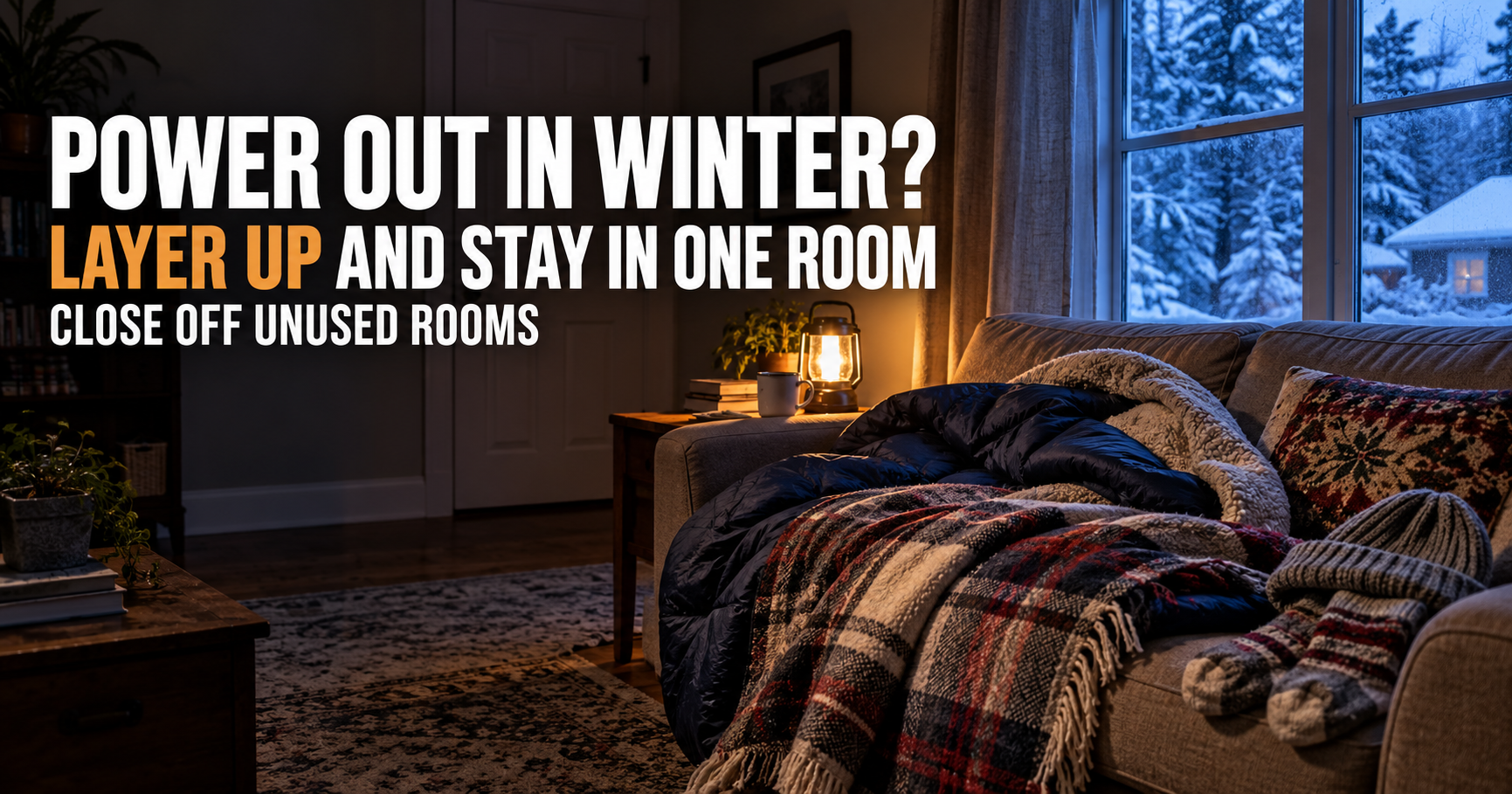
I’ve already covered how I stay warm during a winter power outage and how I keep my house cooler during a summer outage.
By week two, I care less about comfort and more about whether indoor conditions are genuinely safe.
I Don’t Let Pride Keep Me in an Unsafe House
This is a big one for me.
Being prepared does not mean refusing to leave.
If another safe location has:
Reliable power.
Safe water.
Heat or air conditioning.
Necessary medical support.
And my house doesn’t?
Leaving may be the most prepared decision available.
I’m not earning survival points for staying home longer.
I Check on Other People Too
If I’ve made it through a week reasonably well, somebody nearby may not have.
Older neighbors.
Someone living alone.
Families with babies.
People dependent on medical equipment.
I check when it’s safe and practical.
Prepared communities handle long disruptions better than isolated households where everyone pretends nobody else exists.
Cash Becomes More Useful During a Widespread Outage
Card readers and ATMs depend on infrastructure too.
Some businesses may be operating in limited ways.
Having small-denomination emergency cash gives me another option.
I don’t keep my entire financial life in cash at home.
I simply don’t want every purchase to depend on a working internet connection and card terminal.
I Keep My Vehicle Ready to Leave
If the outage has lasted a week, my vehicle isn’t something I let sit nearly empty.
When fuel is available, I think carefully about maintaining enough range to relocate if necessary.
I also keep essential supplies ready enough that leaving doesn’t require three hours of frantic packing.
This is where the difference between a stay-at-home kit and a go-kit becomes useful.
I Reevaluate Security Without Becoming Paranoid
Most long outages do not turn into movie-style chaos.
I don’t behave like they do.
But darkness, damaged infrastructure, empty homes, and disrupted routines can create opportunities for theft.
I keep doors and windows secured.
I don’t advertise unnecessary information about fuel or supplies.
I keep outside areas reasonably controlled.
And I stay aware of what’s happening locally.
That’s normal household security applied to unusual conditions.
I Don’t Broadcast My Generator and Fuel Supply
Generators are loud.
People can hear them.
That doesn’t mean I become suspicious of everyone around me.
It does mean I don’t leave expensive equipment and fuel unsecured simply because I’m focused on the outage.
Generator security is part of owning one.
Safe placement still comes first.
Day Seven Is When I Ask the Hard Question
Here’s the question I actually ask:
If nothing improves for another seven days, are we okay?
Not:
Can we survive tonight?
Another week.
Do we have water?
Food?
Medication?
Fuel?
Sanitation?
Safe indoor temperatures?
Communication?
A functioning wastewater system?
Transportation?
If several answers are becoming “no,” I start making changes before supplies become critical.
My Day-Seven Household Check
At the end of the first week, I would physically review:
- Drinking water remaining
- Backup water sources
- Food remaining
- Generator fuel
- Cooking fuel
- Heating fuel if needed
- Medications
- First aid supplies
- Phone and battery capacity
- Hygiene supplies
- Toilet and wastewater function
- Pet supplies
- Vehicle fuel
- Cash
- Indoor temperature
- Weather forecast
- Utility restoration information
- Alternative places to stay
That gives me a much clearer answer than simply saying, “We’re doing okay.”
This Is Why I Prepare for More Than Three Days
Three days is a great starting point.
It’s not where I want my home preparedness to end.
A longer stay-at-home supply gives me breathing room.
It means day four isn’t suddenly an emergency just because the utility restoration estimate changed.
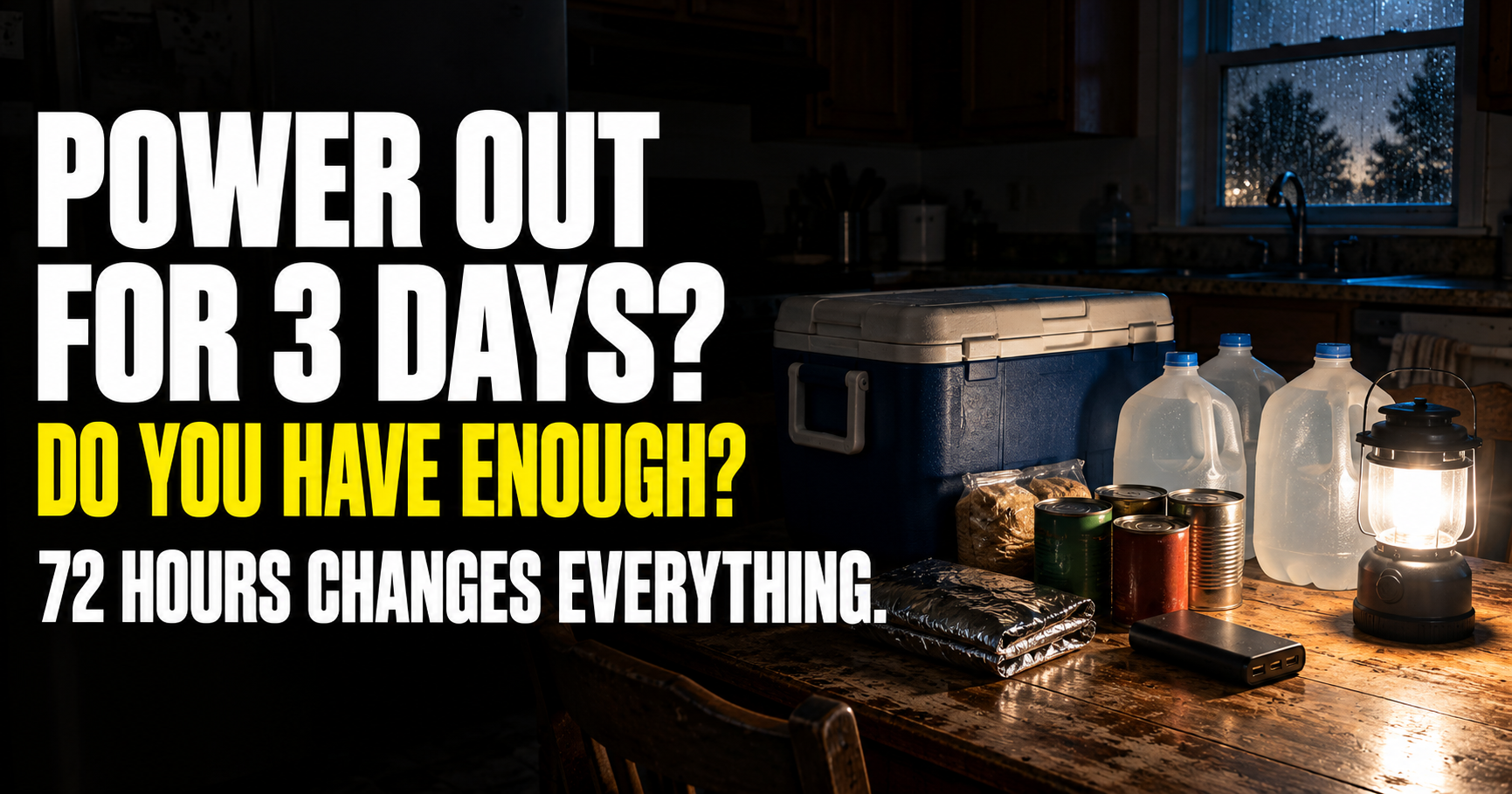
My 3-day power outage setup is what I consider the minimum practical starting point.
The longer-outage plan builds from there.
A Week Without Power Changes the Question
During the first night, I ask:
**How