I prepare so I can stay home through a power outage.
That doesn’t mean I believe staying home is always the right decision.
There’s a point where a house without electricity stops being a comfortable shelter and starts becoming the problem.
Maybe it’s dangerously hot.
Maybe it’s getting too cold to protect the people or plumbing.
Maybe somebody depends on medical equipment I can no longer power.
Maybe I’ve lost water.
Maybe I’m running low on generator fuel.
Maybe storm damage has made the house unsafe.
If I have a safer place available, I’m not going to sit in a deteriorating situation just so I can say I stayed home through the whole blackout.
My goal isn’t to prove how prepared I am.
My goal is to keep my family safe.
Here’s how I decide when it’s time to go.
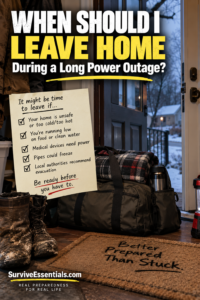
I Don’t Base the Decision on How Long the Power Has Been Out
This is important.
I don’t have a rule that says:
“After three days, evacuate.”
A 12-hour outage can be dangerous under the wrong conditions.
A five-day outage can be manageable if the weather is mild and I still have water, food, communication, sanitation, and backup power.
That’s why I look at conditions, not just the clock.
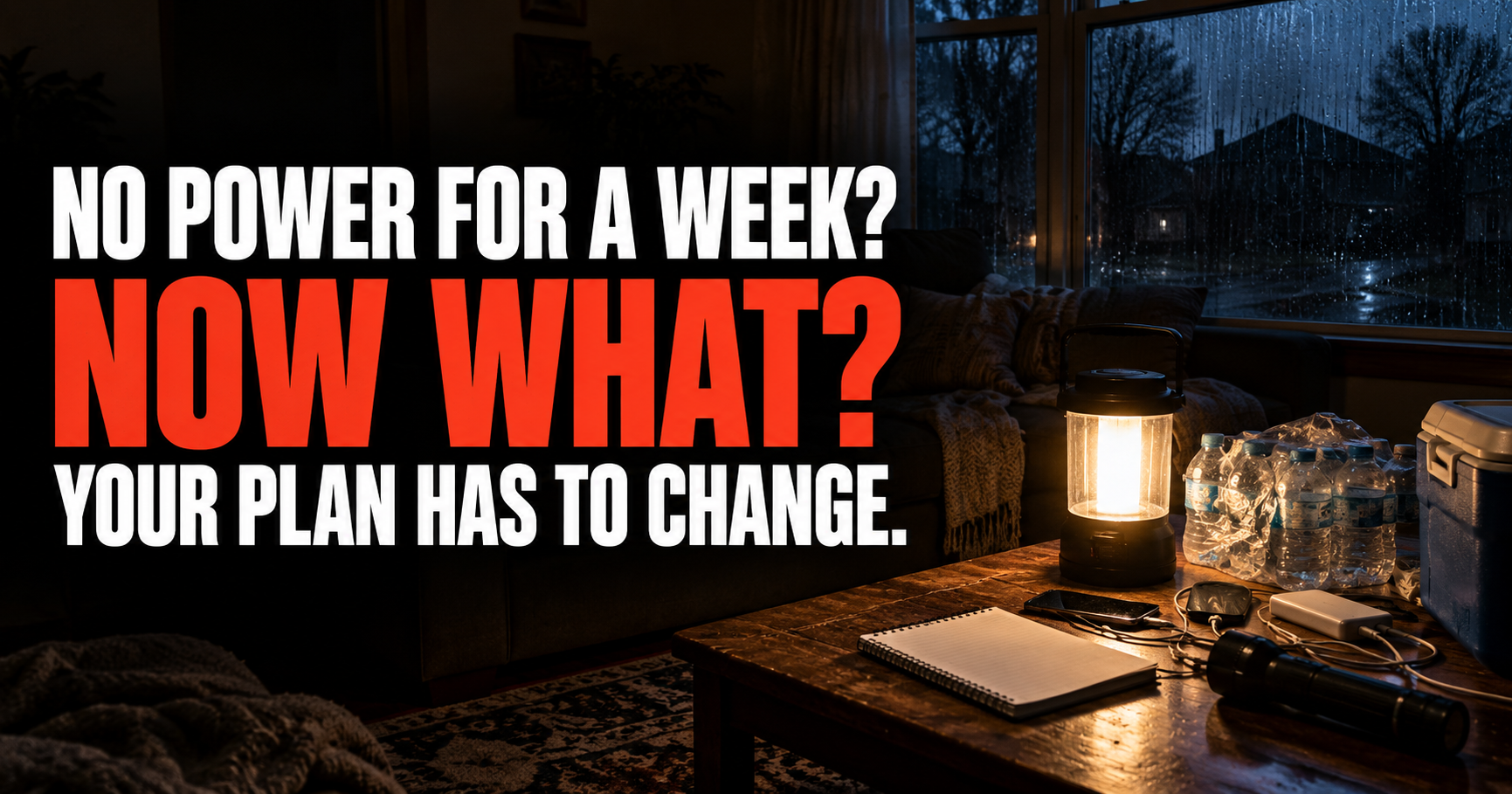
I’ve already covered what I do when the power has been out for a full week.
By that point I’m constantly reassessing the situation.
But I might decide to leave much earlier.

If Officials Tell Me to Evacuate, I Leave
This is the easiest decision on the list.
If local authorities issue an evacuation order, I don’t decide that my generator and canned food make me exempt.
The outage may not even be the primary danger.
There could be:
- Flooding
- Wildfire
- Chemical release
- Dam failure
- Structural damage
- Gas leaks
- Downed electrical infrastructure
- Another hazard I can’t see from my house
Preparedness includes knowing when to listen.
I don’t need to personally understand every reason behind an evacuation order before following it.
Extreme Heat Can Push Me Out Fast
A summer blackout can become dangerous much faster than people expect.
No air conditioning.
No ceiling fans.
No dehumidification.
The house keeps absorbing heat.
Nighttime may not cool things enough.
At some point, opening windows and using battery fans stops being an adequate plan.
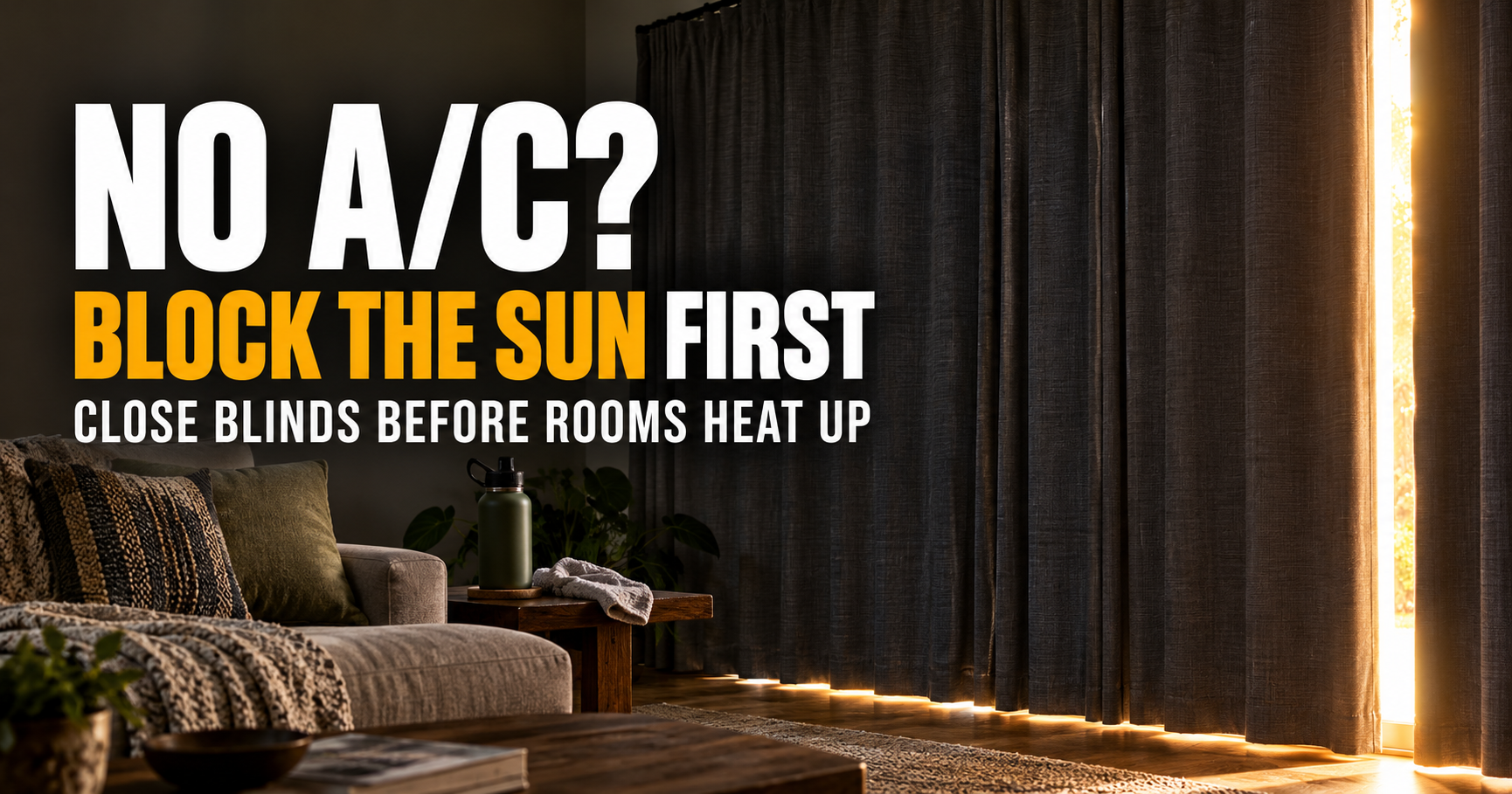
I’ve already laid out how I keep my house as cool as possible during a power outage.
But that article has an important underlying rule:
I don’t stay in dangerous heat just because I prepared for it.
If I can no longer maintain safe conditions, I go somewhere cooler.
A Fan Isn’t My Excuse to Stay in Dangerous Heat
This is especially important during extreme temperatures.
A battery fan can make me feel more comfortable.
That doesn’t mean it can prevent heat illness under every condition.
If the house is dangerously hot, I start looking for actual cooling.
That might mean:
- Family with electricity
- Friends with electricity
- A cooling center
- Library
- Community building
- Hotel
- Another air-conditioned location
The exact destination doesn’t matter as much as recognizing that the house is no longer providing safe shelter.


I Watch the People, Not Just the Thermometer
Numbers matter.
So does behavior.
If somebody becomes confused, unusually weak, dizzy, nauseated, faint, or otherwise shows signs of serious heat illness, I’m not continuing my DIY cooling experiment.
I get them somewhere cooler and seek appropriate medical help.
Young children, older adults, pregnant women, and people with certain medical conditions can be more vulnerable to heat.
My evacuation threshold changes depending on who is actually in the house.
Dangerous Cold Creates the Same Decision in Reverse
Winter gives me a different problem.
I can close rooms.
Stop drafts.
Layer clothing.
Use sleeping bags.
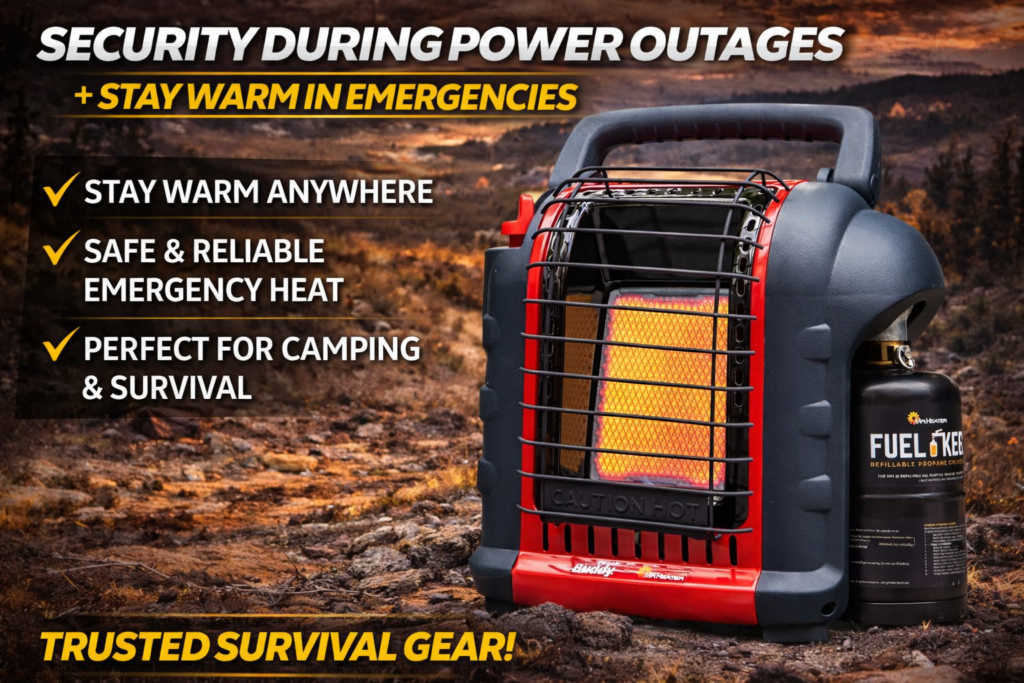
Use safe supplemental heat.
Potentially run the furnace from properly configured backup power.
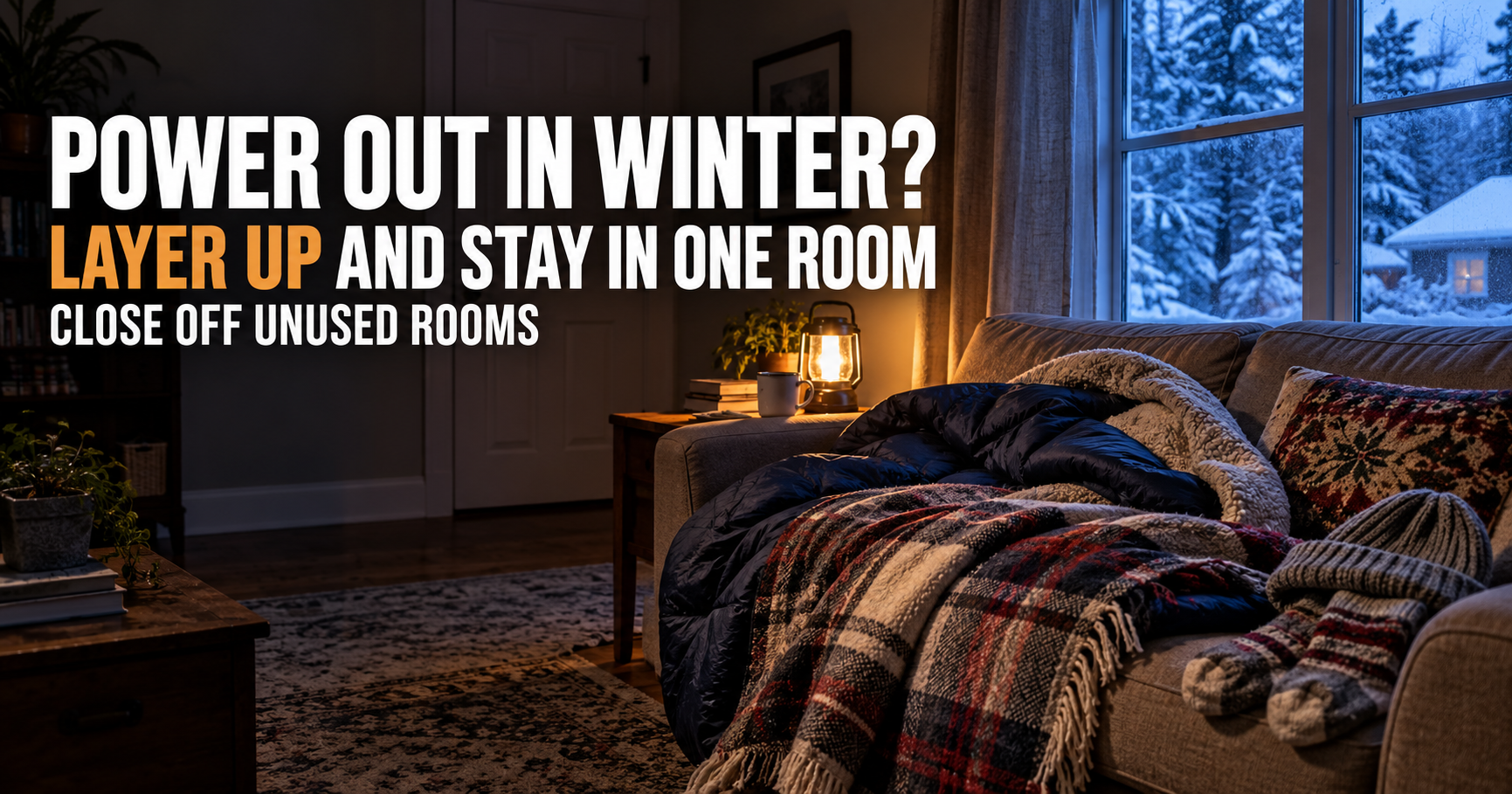
We’ve covered all of that in how I stay warm when the power goes out in winter.
But none of those techniques means I have to stay indefinitely.
If the house keeps getting colder and my backup heat isn’t keeping up, I start planning to leave.

I Don’t Wait Until Everyone Is Shivering Uncontrollably
Leaving early gives me options.
Leaving late takes them away.
If the house is steadily cooling, the outside temperature is still falling, my heater isn’t keeping up, and utility restoration isn’t expected anytime soon, I don’t need to wait until we’re miserable to admit the plan isn’t working.
I’d rather pack up calmly while everyone is warm enough to think clearly.
That’s much better than trying to leave after midnight when the house is freezing and road conditions have gotten worse.
My Backup Heat Failing Is a Major Trigger
If my normal furnace is down because of the outage and my backup heat also fails, the situation changes quickly.
Maybe the propane heater stops working.
Maybe I’m running low on propane.
Maybe the generator fails.
Maybe the furnace won’t operate correctly from backup power.
I don’t assume I can always fix the problem.
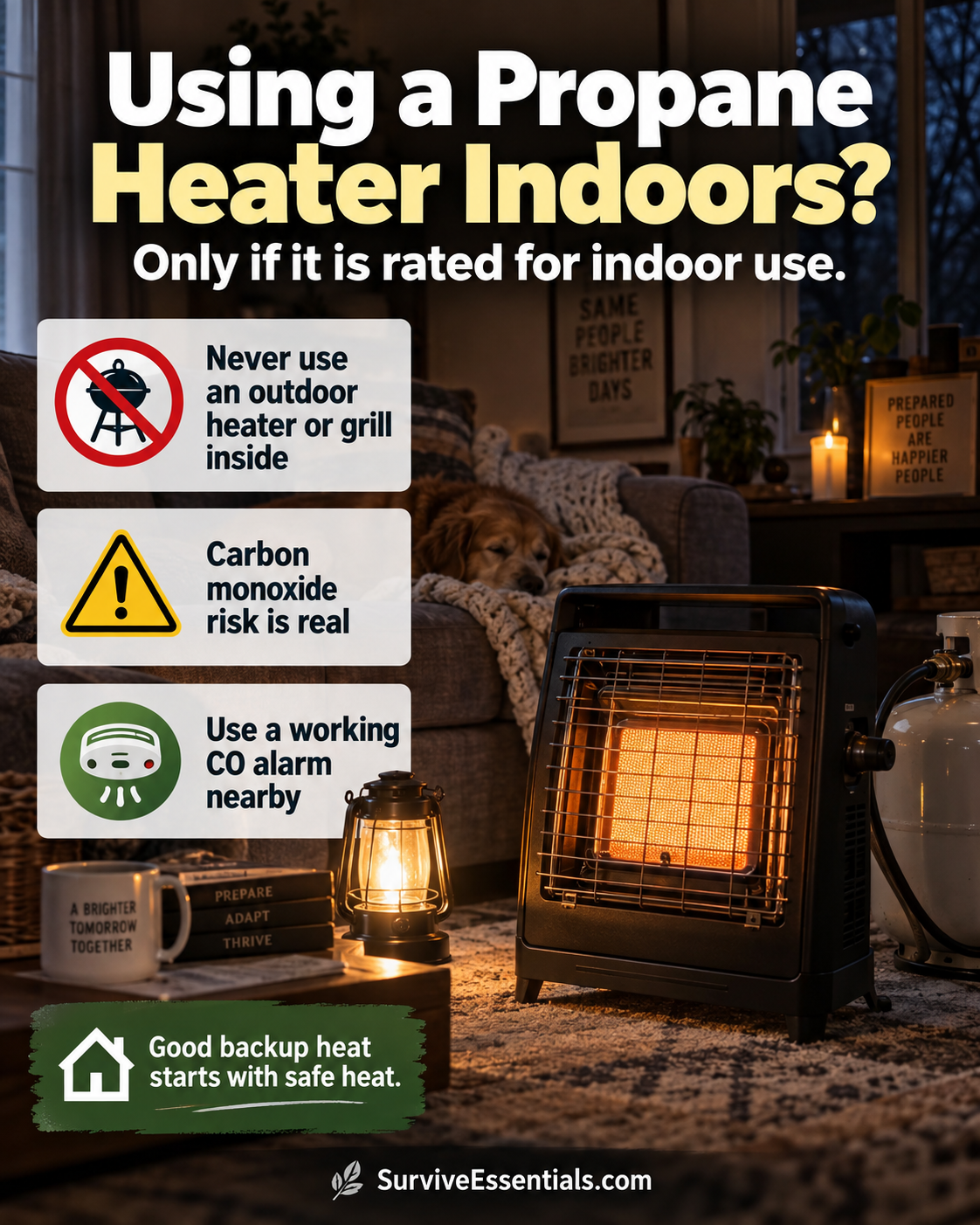
That’s why I treat indoor propane heat during a blackout as one layer rather than my entire winter plan.
If that layer disappears, I reassess.
Carbon Monoxide Means I Get Out
This isn’t something I negotiate with.
If a carbon monoxide alarm sounds, I don’t silence it because the generator “should be far enough away.”
I get people into fresh air and follow emergency guidance.
If someone is experiencing symptoms such as headache, dizziness, weakness, nausea, vomiting, chest pain, or confusion around fuel-burning equipment, I take that seriously.
I don’t troubleshoot a generator while everyone remains inside breathing questionable air.
The people come first.
I Never Let Generator Convenience Trap Me at Home
A generator makes a long outage dramatically easier.
It can keep food cold.
Charge phones.
Potentially run a well.
Power selected heating equipment.
But a generator can also create a false sense that I can handle anything.
I can’t.
If the house itself isn’t safe, electricity from a generator doesn’t change that.
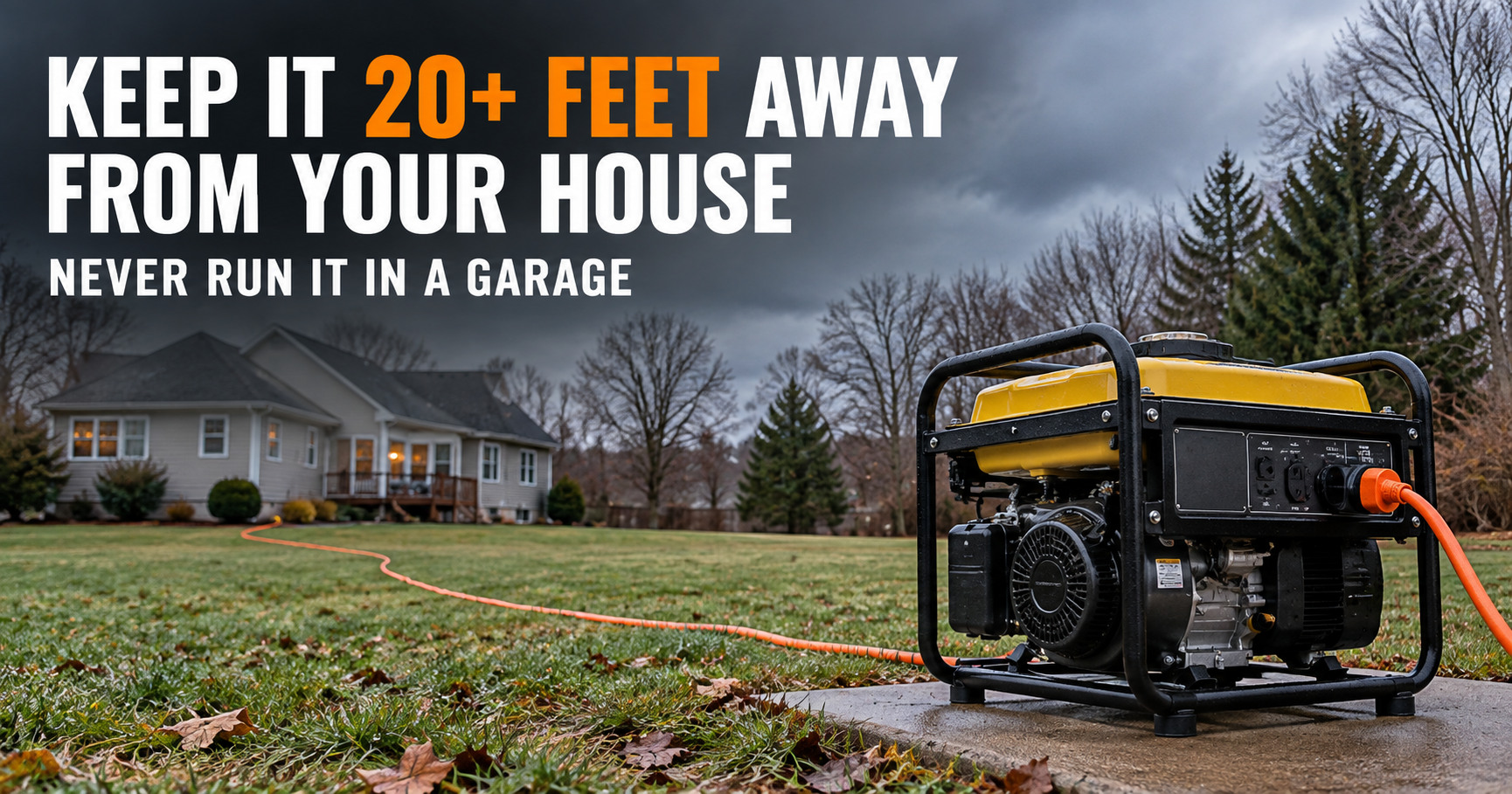
And I continue following the placement rules from how far I keep my generator from the house.
I don’t move it closer because I’m tired, cold, or trying to make extension cords easier.
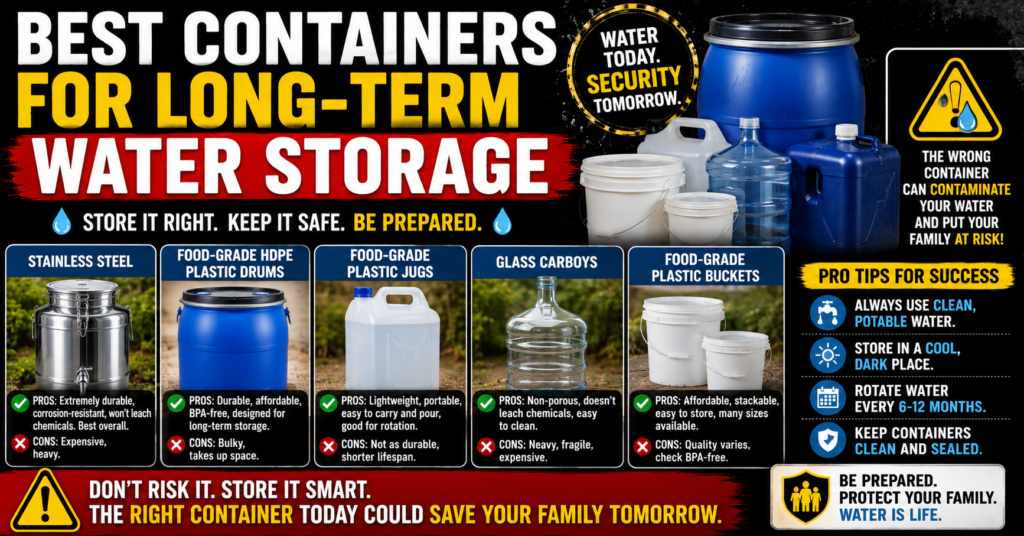
Running Out of Safe Water Changes Everything
I can tolerate a lot of inconvenience.
Running out of water isn’t one of them.
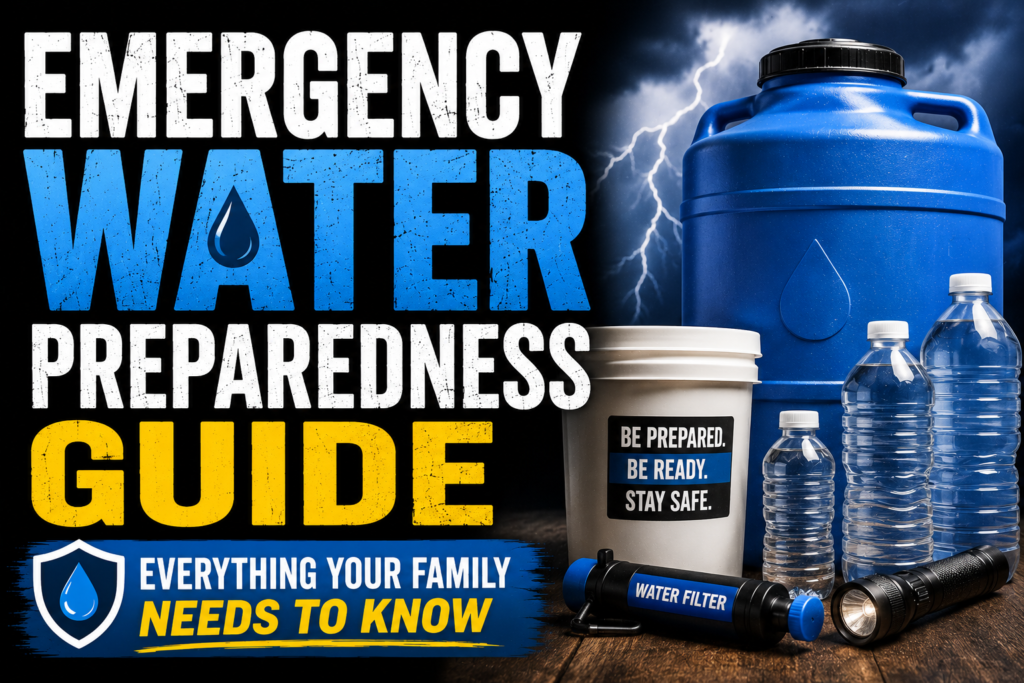
That’s why we spent so much time building the complete emergency water preparedness guide.
Stored water gives me time.
Filtration gives me options.
Alternative water sources give me more options.
But if I no longer have a reliable way to obtain safe water, remaining home becomes much harder to justify.
A Failed Well Can Move Up My Timeline
If I’m on a private well, electricity and water can disappear together.
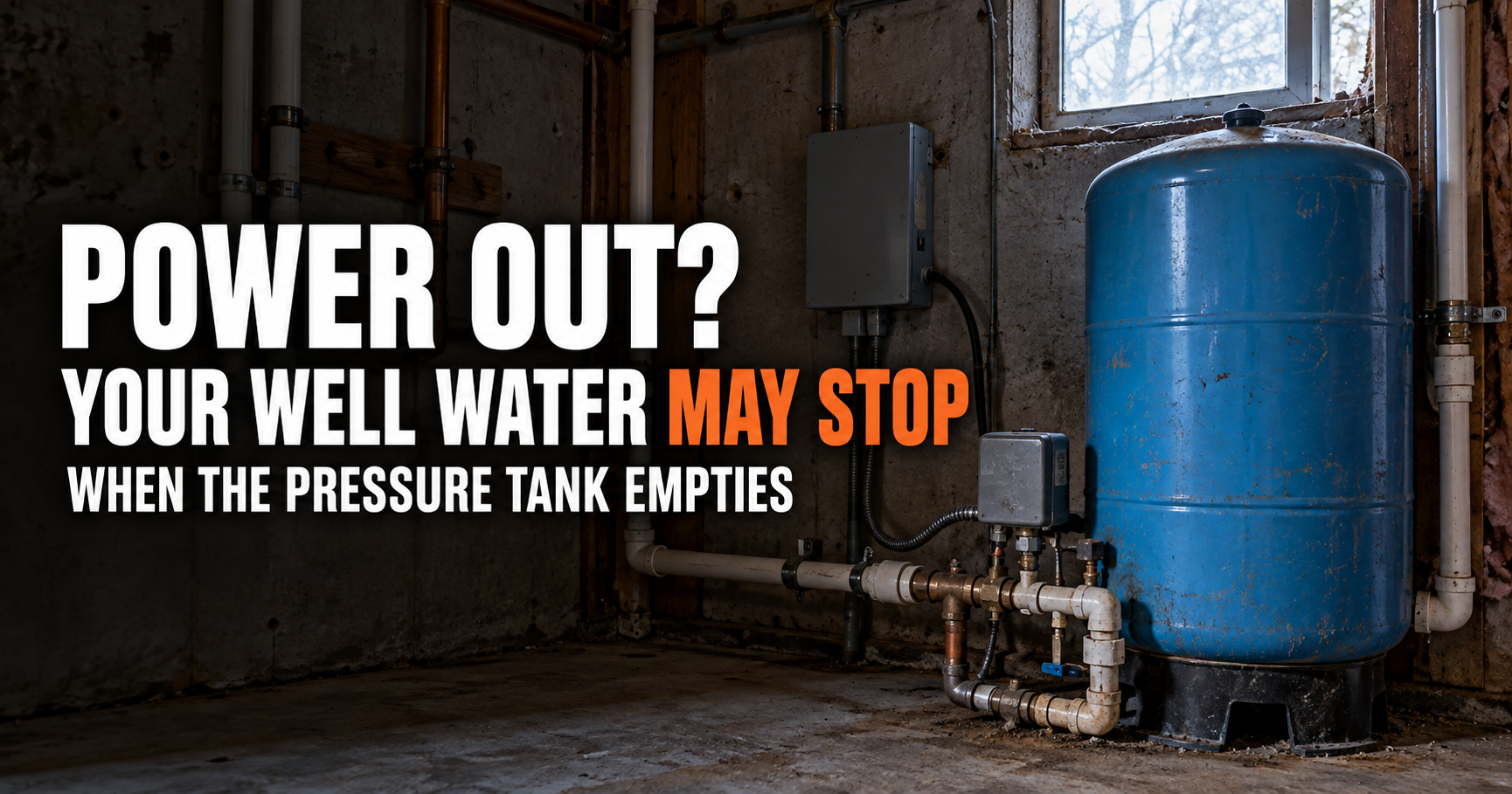
I’ve already covered what happens to my well water during a power outage.
If I can’t run the pump and my stored water is getting low, I start thinking several moves ahead.
I don’t wait until the final bottle is empty.
I ask:
How much water remains?
How many people and animals need it?
Can I safely obtain more?
How long is the outage expected to continue?
Where could I go that has reliable water?
Those answers determine whether staying still makes sense.
Sanitation Can Become the Breaking Point Too
A house without normal toilets gets unpleasant quickly.
A house with sewage backing up becomes unsafe.

We’ve already covered whether I can flush my toilet when the power is out.
If I’m dealing with a failed septic pump, sewage ejector, sewer backup, or another serious wastewater problem, I’m not pretending that’s merely inconvenient.
If I can’t maintain sanitary conditions, leaving may be the right move.
Medical Equipment Moves to the Top of the List
This is one area where I don’t play games with runtime estimates.
If someone in the house depends on electrically powered medical equipment, I want a specific outage plan before the outage.
Backup batteries.
Generator compatibility.
Charging options.
Medical guidance.
A destination with dependable power.
If the backup system is approaching its limit, I don’t wait for it to die.
I move while I still have power and transportation.
Refrigerated Medication Can Matter Too
Electricity isn’t only powering medical devices.
Some medications require controlled temperatures.
A long outage can make medication storage another reason to relocate or replace supplies.
I don’t assume the refrigerator staying “kind of cool” is good enough for medication with specific storage requirements.
I check the medication instructions and contact a pharmacist or healthcare professional when necessary.
Structural Damage Is an Easy Reason to Leave
If a storm damaged the house, the power outage may be the least important problem.
Things that make me stop and reconsider staying include:
- Major roof damage
- Cracked or shifting structural components
- Tree impact
- Floodwater entering the home
- Electrical damage
- Gas odor
- Fire damage
- Unsafe debris
I’m not staying inside a structurally questionable house because my generator works.
If the building may be unsafe, I leave and get the appropriate inspection.
If I Smell Gas, I’m Gone
I don’t flip light switches.
I don’t light anything.
I don’t start investigating with a flashlight that could create a spark.
I leave the building and contact the appropriate emergency or gas utility service from a safe location.
Hot water, furnace operation, food, and everything else become secondary.
Floodwater Changes the Entire Blackout
Flooding can affect:
Electrical systems.
Well water.
Septic systems.
Structural safety.
Road access.
Food.
Drinking water.
At that point, I’m not dealing with a simple power outage anymore.
If the house has been flooded or electrical equipment has been submerged, I don’t casually turn things back on when electricity returns.
The house may need professional inspection first.
Fire Risk Can Make Leaving Immediate
Alternative heating, cooking, generators, candles, extension cords, and improvised setups all become more common during outages.
That can increase fire risk.
If there’s an actual fire or a situation I believe could immediately become one, I’m out.
Preparedness supplies are replaceable.
People aren’t.
I Don’t Stay Because I’m Worried Someone Might Steal Something
This is a tough one.
During a widespread outage, people may worry about leaving generators, food, tools, or the house itself unattended.
I understand that.
But I don’t put property ahead of safety.
If the house is unsafe for my family, I’m not keeping everyone there solely to guard belongings.
That’s not preparedness.
That’s letting possessions make the emergency decision for me.
Kids Lower My Threshold for Leaving
Adults can tolerate discomfort and understand what’s happening.
Young children are different.
If I’m constantly trying to keep a baby warm, keep a toddler cool, manage limited water, and maintain sanitation, I may reach the point where another location simply makes more sense.
I don’t measure preparedness by how much misery I can make my kids tolerate.
If Grandma’s house has electricity, water, heat, and a safe route there, that may be the smartest preparedness tool available.
Older Adults Can Change the Decision Too
Older family members may be more vulnerable to heat and cold.
Mobility issues can also make waiting dangerous.
If I might eventually need to relocate someone who requires assistance, I would rather do that while conditions are manageable.
I don’t wait until the elevator doesn’t work, roads are worse, batteries are dying, and everyone is exhausted.
Pets Are Part of My Evacuation Plan
If I’m leaving, I already know what happens with the animals.
I don’t want to reach a shelter and discover pets aren’t accepted.
My plan includes:
- Carriers
- Leashes
- Food
- Water
- Medications
- Vaccination or veterinary records where useful
- A destination that accepts them
That’s something I decide beforehand.
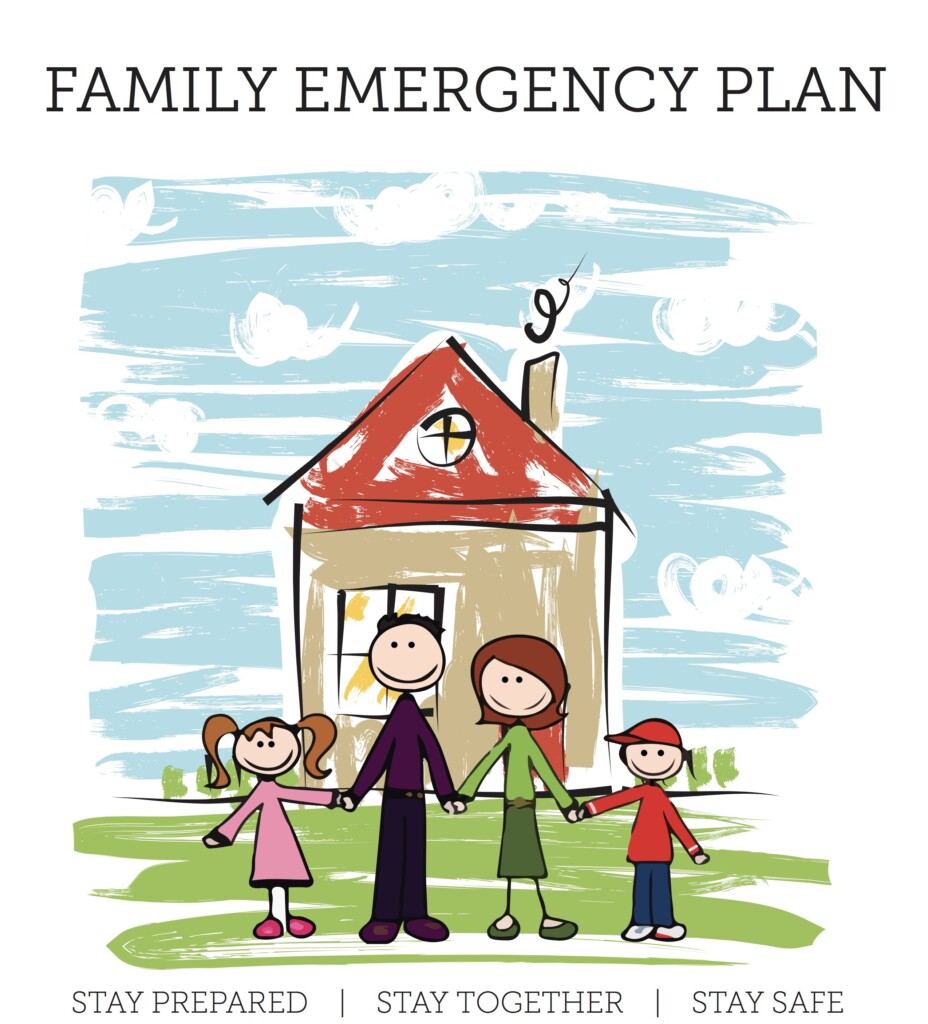
I Don’t Leave Without Knowing Where I’m Going
“Let’s just get out of here” isn’t much of an evacuation plan.
I want a destination.
Family.
Friend.
Hotel.
Community shelter.
Cooling center.
Warming center.
Somewhere.
And ideally I have more than one option.
If my first destination is also inside the outage area, I need another plan.
I Check the Route Before Leaving
The house may be uncomfortable while the roads are genuinely dangerous.
That’s why leaving isn’t automatically safer.
Before I go, I check:
- Road closures
- Flooding
- Ice
- Downed trees
- Downed power lines
- Fuel level
- Weather conditions
- Official instructions
Sometimes sheltering in place for another few hours is safer than driving into the storm.
This is why I make the decision based on the whole situation.
I Keep the Vehicle Fueled Before Bad Weather
This is one of those boring preparations that suddenly becomes extremely valuable.
A widespread outage can affect gas stations.
Even if the station has fuel underground, the pumps and payment equipment need electricity unless backup systems are available.
I don’t want my evacuation plan depending on finding an operating gas station after the emergency starts.
When severe weather is coming, I don’t let the vehicle sit nearly empty.
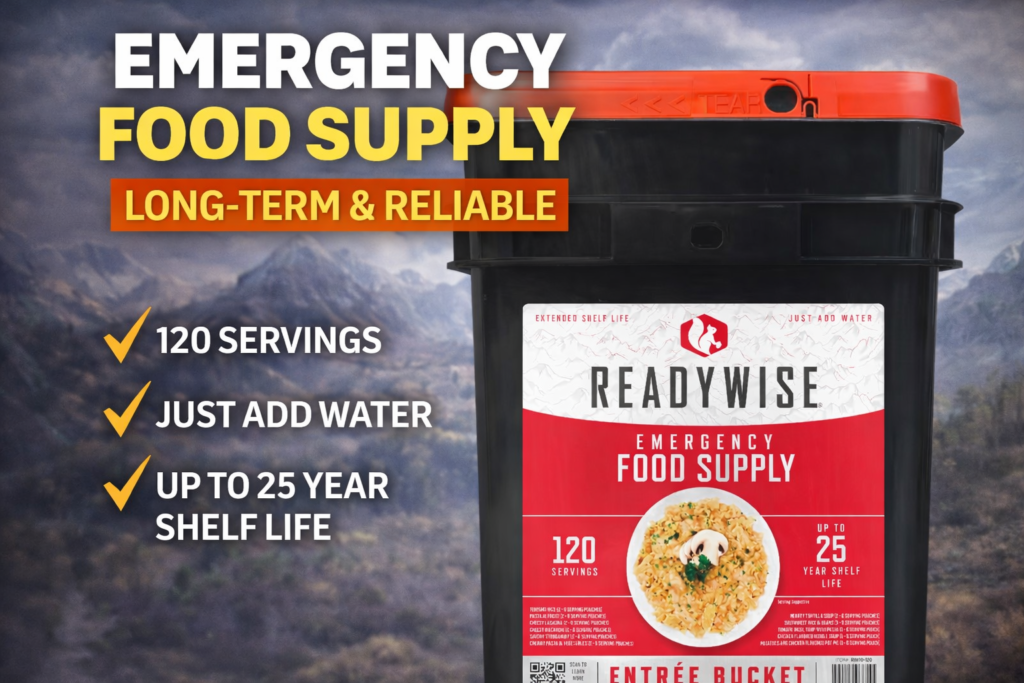
I Take the Things That Are Hard to Replace
If I decide to leave, I don’t try to move my entire house.
I prioritize:
- Medications
- IDs
- Wallet and cash
- Phones
- Chargers and power banks
- Important documents
- Necessary clothing
- Water
- Easy food
- Pet supplies
- Essential medical equipment
- Basic emergency gear
I can buy another toothbrush.
I don’t want to replace a prescription or birth certificate during a regional disaster if I don’t have to.
My Bug-Out Bag Becomes Useful Here
A long power outage is a perfect example of why I don’t think a bug-out bag needs to mean I’m disappearing into the wilderness.
Sometimes I’m just leaving my house and going 30 miles to family.
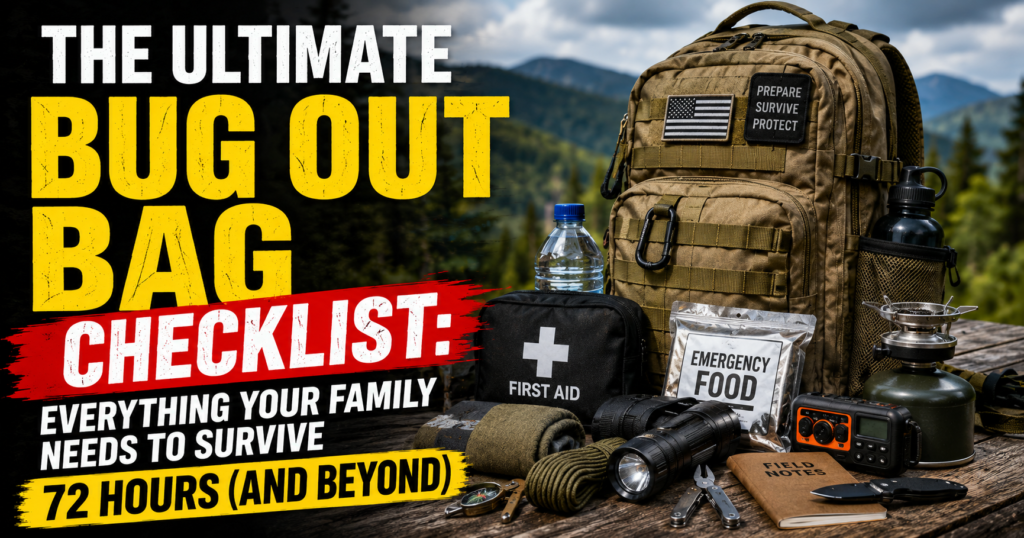
We’ve already built an ultimate 72-hour bug-out bag checklist for families.
Having those basics packed makes leaving much easier.
I don’t need to assemble an evacuation kit while everyone is standing by the door.
I Take My Power Bank
Communication becomes even more important once I leave home.
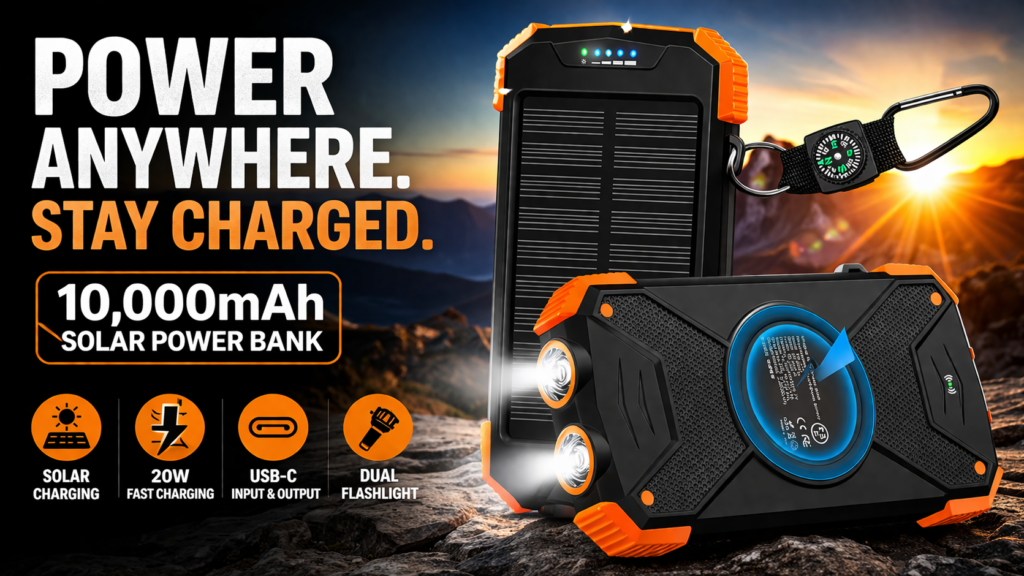
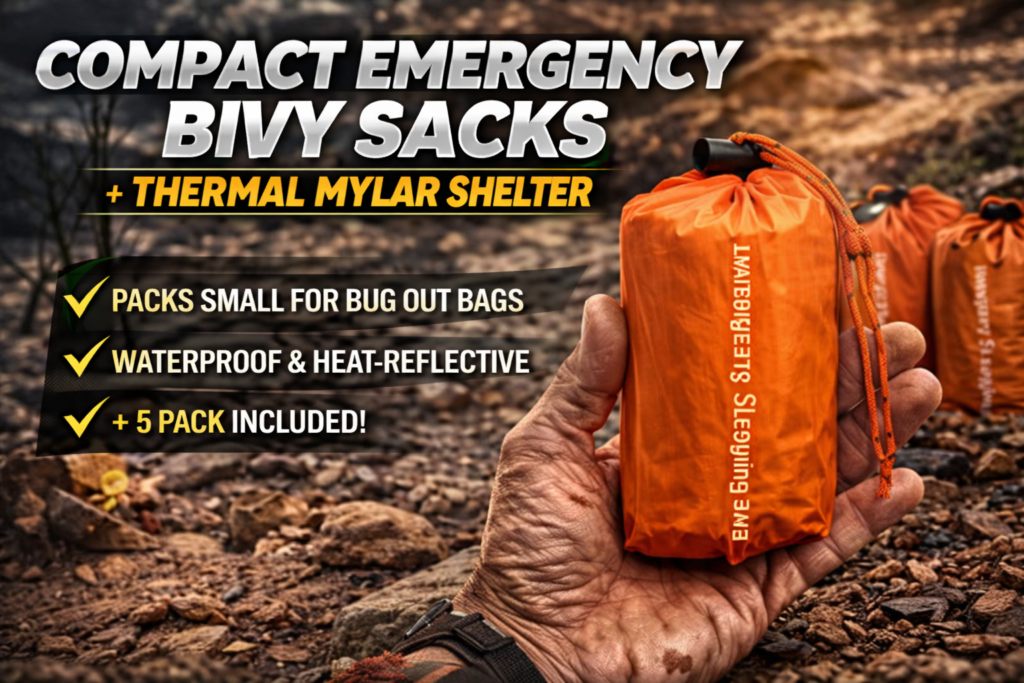
That’s why the solar power bank I use as an emergency charging layer comes with me.
The Charging Backup I’d Want When Leaving Home
If I’m evacuating during an outage, I don’t want my only phone-charging option tied to the house I’m leaving.
Check the portable solar power bank on Amazon
I still start with it fully charged. The solar panel is a backup feature, not an excuse to begin the emergency with an empty battery.
I Take the Emergency Radio Too
Cell service can become overloaded or damaged during major emergencies.
A portable radio gives me another source of information.
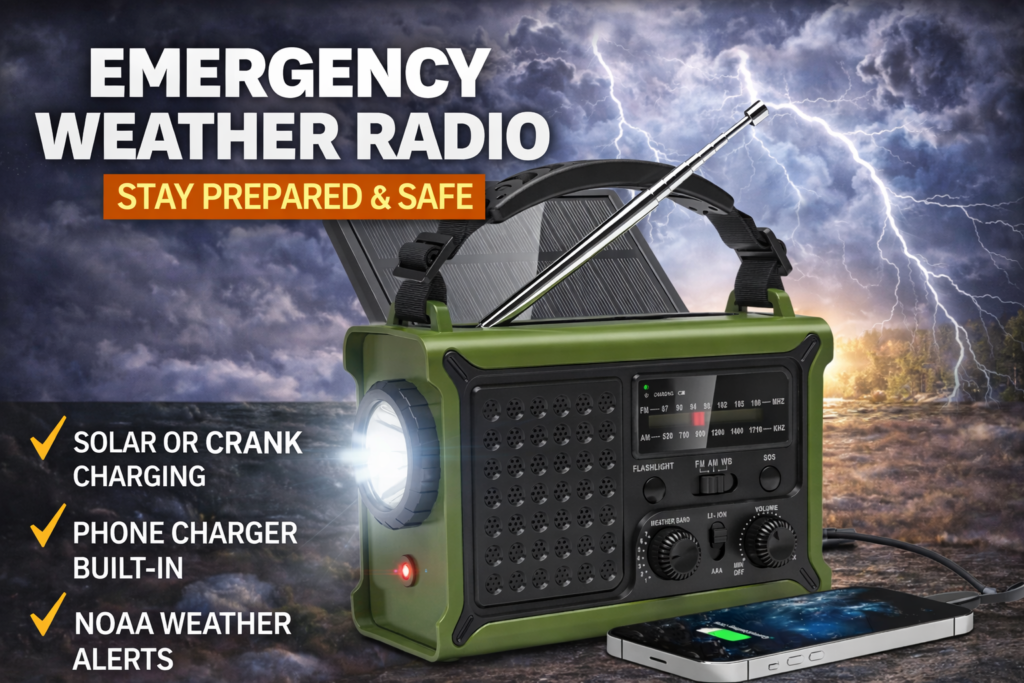
That’s why the emergency radio we’ve been using throughout this blackout cluster belongs in the evacuation setup too.
Weather alerts and official information matter even more when I’m moving between locations.
I Tell Someone Where We’re Going
If we’re leaving, somebody outside the immediate household should know.
A simple text is enough:
“We’re leaving home and going to Mom’s in Columbia. Four of us plus the dog. I’ll text when we arrive.”
Now someone knows our route and destination.
That’s especially useful if communications become unreliable later.
I Don’t Wait Until My Last Gallon of Fuel
This applies to generator fuel and vehicle fuel.
If my entire stay-home plan depends on a generator and I’m approaching the point where I can’t replenish fuel, I start thinking about leaving before the generator stops.
I don’t want to lose refrigeration, well water, charging, and possibly heat all at once and only then begin making decisions.
I watch my remaining runtime.
That’s part of how I manage generator use during a long power outage.
I Have a Personal “Leave Before” Rule
This is one of the most useful things I can decide ahead of time.
I don’t want to leave when conditions become impossible.
I want to leave before that.
Before the house becomes dangerously hot.
Before the house becomes dangerously cold.
Before the medical battery dies.
Before drinking water runs out.
Before the vehicle reaches empty.
Before the roads become impassable.
Before everyone is exhausted.
That gives me margin.
And margin is one of the most valuable things I can have during an emergency.
The Question I Ask Myself
When I’m uncertain, I ask:
Is staying here still safer and easier than going to the place I have available?
Not:
“Can I technically survive another night?”
Those are very different questions.
If the house is 50°F but stable, everyone is warm in sleeping bags, I have plenty of fuel, roads are covered in ice, and the power company expects restoration overnight, staying home may make perfect sense.
If the house is getting colder by the hour, propane is almost gone, the generator is failing, and my brother’s heated house is 15 minutes away on clear roads, leaving may make much more sense.
Preparedness gives me options.
Then I use judgment.
Staying Home Isn’t